Winter Bird Survival: Why They Don’t Freeze at Night
Ever wondered how birds survive freezing winter nights outside? Here’s what really keeps them warm — and it’s smarter than you think.Surviving extreme cold is no small test, especially if you are a bird.The curious public wonders how and for how long a bird can survive in the cold and what is that natural thing that keeps it alive even in such low temperatures and shows it a new ray of life every morning.If you’ve ever stepped outside on a freezing winter morning and seen birds hopping around like nothing happened, you’ve probably wondered how on earth they made it through the night. I used to ask the same question while refilling my backyard feeder — especially when frost covered everything and even my indoor cat refused to sit near the cold window glass.
In my experience as a long-time cat owner and backyard bird watcher, winter nights are when bird survival feels almost miraculous. My cats curl into heated beds, but wild birds manage with feathers, instincts, and some incredible biology. Once I started researching and observing closely, the mystery turned into deep respect.
Let’s break this down in a practical, real-world way — not textbook style — but the way a curious pet parent would want it explained.
How Do Birds Not Freeze During Winter Nights?
The short answer: birds are built for this — but not in the way most people think.
They don’t “tough it out.” They actively manage heat, conserve energy, change behavior, and use smart shelter strategies. It’s a full survival system, not just fluffy feathers.
From what I’ve observed in my own yard across many winters, birds that prepare well during the day almost always choose better night perches and look noticeably more fluffed and rounded by sunset — that’s not random. That’s heat management in action.
Key survival factors include:
- Feather insulation
- High metabolic rate
- Fat reserves from daytime feeding
- Smart roosting spots
- Reduced nighttime activity
- Specialized leg circulation
Each of these plays a different role in preventing heat loss.
Feathers Work Like a Built-In Winter Jacket
Many cat parents understand insulation — we see how winter coats change in outdoor cats. Birds do something similar, but more advanced.
How feather insulation really works
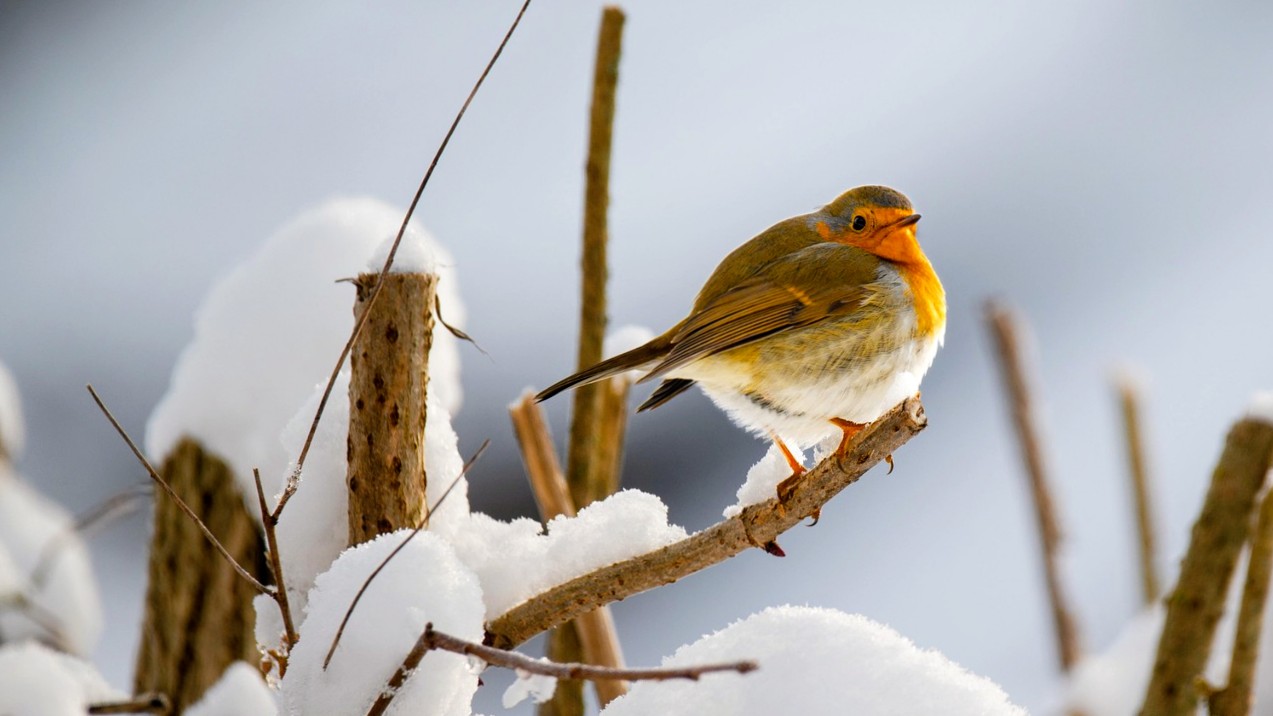
Bird feathers trap air close to the body. Air is actually a very good insulator when it’s not moving. When birds fluff up, they increase the air layer thickness.
In my experience watching sparrows at dusk:
- Their body shape changes
- They look rounder and puffier
- Neck disappears into feathers
- Legs tuck closer to the body
That “puffed ball” look is a heat-saving mode.
Why fluffing matters more than size
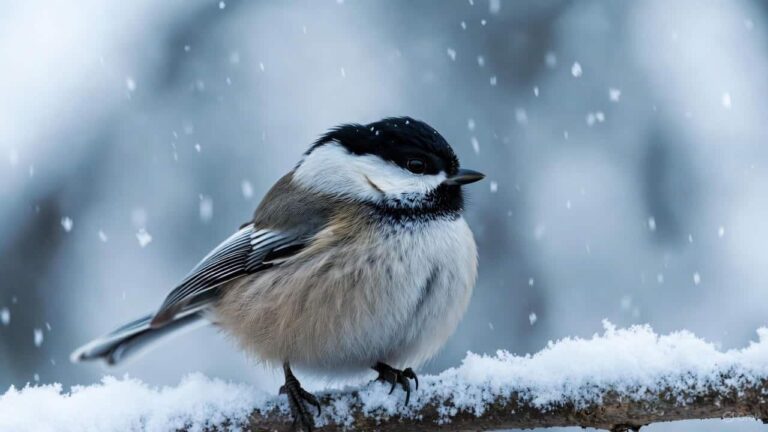
Even small birds survive deep cold because insulation efficiency matters more than body size alone. A properly fluffed chickadee can retain warmth surprisingly well.
Veterinary wildlife guides often explain this as loft insulation — similar to how down jackets work.
Birds Burn Energy Fast — And That Saves Their Lives
This part surprised me when I first learned it.
Birds run hot. Their normal body temperature is higher than humans — often around 40–42°C (104–108°F). That gives them a thermal buffer.
High metabolism = heat production
Birds convert food into heat very quickly. During winter:
- They eat more frequently
- They prioritize high-fat foods
- They feed aggressively before sunset
I’ve noticed feeder activity spikes hard in late afternoon. It’s like a dinner rush before a long fast.
Why evening feeding is critical
Think of it like this:
A bird goes to sleep with a “fuel tank.” The fuller it is, the warmer it stays overnight.
Bird survival in winter often depends on:
- Seed availability
- Insect access (for some species)
- Fat-rich foods
- Safe feeding zones
This is also why responsible winter feeding stations genuinely help — I’ve seen weaker birds recover condition over weeks.
Fat Is a Bird’s Winter Battery
As a pet owner, I used to think fat was always bad — until I studied winter wildlife patterns.
For birds, winter fat is life.
Temporary fat storage strategy
Many small birds gain 5–15% body weight daily before winter nights. They burn most of it by morning.
It’s not obesity. It’s survival fuel.
From my backyard notes over several winters:
- Birds appear lean in early morning
- Noticeably rounder near sunset
- Most active feeding happens late day
That daily cycle supports overnight heat production.
What foods help most
If you maintain feeders, high-value winter foods include:
- Black oil sunflower seeds
- Suet blocks
- Peanuts
- Fat-based mixes
- Mealworms (for insect eaters)
Veterinary bird nutrition sources consistently support high-fat winter feeding for wild species.
Smart Roosting: Where Birds Sleep Matters
This is where behavior plays a huge role in bird survival.
Birds don’t just fall asleep anywhere. They choose protected micro-locations.
In my experience watching winter bird patterns near my home, the same roost spots get reused night after night.
Common winter roost locations
- Tree cavities
- Dense shrubs
- Evergreen trees
- Nest boxes
- Building ledges
- Woodpecker holes
- Thick hedgerows
These spots reduce:
- Wind exposure
- Heat loss
- Predator risk
Wind chill is often more dangerous than temperature alone.
Some Birds Sleep Together for Warmth
This behavior fascinates me because it reminds me of how kittens pile together for heat.
Certain bird species roost in groups during cold spells.
Communal roosting benefits
Group sleeping helps by:
- Sharing body warmth
- Reducing exposed surface area
- Improving predator detection
Species known for this include:
- Chickadees
- Bluebirds
- Tree swallows
- Starlings
I once checked a winter nest box with a wildlife group — over a dozen small birds came out at once. That box was basically a feather heater overnight.
Birds Protect Their Feet From Freezing
People often ask: if birds stand on ice, why don’t their feet freeze?
The answer is specialized circulation.
Countercurrent heat exchange system
Bird legs use a heat-exchange network where:
- Warm arterial blood flows down
- Cold venous blood flows up
- Heat transfers internally
Result:
- Feet stay just above freezing
- Core body heat stays protected
This system is so efficient that birds can stand on snow without major heat loss.
It’s a biological engineering trick — and one of the most important bird survival tools.
Nighttime Energy Saving Mode (Torpor)
Some birds use a controlled mini-hibernation called torpor.
I like to describe it to fellow pet owners as “sleep mode instead of shutdown.”
What torpor does
During torpor:
- Body temperature drops
- Heart rate slows
- Energy use decreases
- Heat demand lowers
Not all birds use it, but species like hummingbirds rely on it heavily.
Without torpor, many tiny birds wouldn’t survive long winter nights.
Wildlife rehab references often describe torpor as a high-risk but necessary energy strategy.
Weather Positioning and Body Posture Tricks
Bird posture changes at night — and it’s not random.
From years of feeder watching near sunset, I’ve noticed birds shift position based on wind direction.
Common cold-night postures
- Facing into wind
- Feathers maximally fluffed
- Head tucked under wing
- One leg pulled into feathers
- Body lowered toward perch
Tucking the head reduces exposed skin — similar to how cats curl nose-to-tail in cold rooms.
Do All Birds Survive Winter Nights?
Honestly — no.
And this is important to say plainly.
Bird survival rates drop during:
- Ice storms
- Sudden cold snaps
- Food shortages
- Wet cold conditions
Wet feathers destroy insulation. I’ve seen post-freezing-rain days where feeder traffic dropped noticeably.
Nature is resilient — but not gentle.
How Backyard Environments Help Winter Bird Survival
As a cat owner, I think a lot about responsible coexistence with wildlife. My cats stay indoors, but we built a bird-safe yard.
Small changes help birds more than people realize.
Helpful winter bird support steps
- Provide high-fat feeders
- Add brush piles for shelter
- Keep water available (not frozen)
- Install roost boxes
- Maintain evergreen cover
- Avoid trimming dense shrubs mid-winter
These are practical, field-tested supports — not theory.
Common Myths About Birds Freezing at Night
Let’s clear up a few misunderstandings I hear often.
“Birds just endure the cold”
No — they actively manage heat through biology and behavior.
“Only big birds survive winter”
Small birds often have better insulation efficiency.
“Feathers alone keep them warm”
Feathers help — but metabolism and fat reserves are equally critical.
“Birds sleep exposed on branches”
Most choose sheltered roost sites whenever possible.
FAQ — Winter Bird Survival Questions
Do birds feel cold like mammals do?
Yes — they sense cold stress. But their bodies are built to manage it through insulation and heat production.
Why do birds look bigger in winter?
They fluff their feathers to trap insulating air layers.
Can birds freeze to death overnight?
Yes, especially during extreme weather or food shortages — survival is not guaranteed.
Should I feed birds more in winter?
In my experience and according to wildlife care guidance — yes. Winter feeding supports energy reserves.
Where do birds go during snowstorms at night?
They seek dense cover, cavities, or protected roost spaces out of wind and precipitation.
A Personal Closing Thought
Here am sharing my personal experience and i think these things can make a more benefits.Every winter, I watch the same cycle: my indoor cats migrate toward warm blankets, and outside, birds adapt with biology and strategy instead of heaters and walls. The more I’ve learned about bird survival, the more respect I’ve gained for these tiny creatures.
If you feed them, protect habitat, and keep your cats safely indoors, you’re already helping more than you think.
Nature doesn’t survive winter by accident — it survives through design, preparation, and smart behavior. And once you start noticing those details, cold mornings never look the same again.If you have also like these tips, caring guide’s please share with us.