A Complete Guide to Ragdoll Cat Companionship
A complete guide about Ragdoll companionship covering personality, diet, health care, grooming, and tips to raise a loving, healthy Ragdoll cat.
Welcome to this comprehensive exploration of one of the most beloved cat breeds out there. If you’re considering bringing a Ragdoll into your home or already share your life with one, you’ve come to the right place. In this guide, we’ll dive deep into everything you need to know about Ragdoll cats—from their floppy, affectionate nature to practical tips on feeding, health maintenance, and keeping that luxurious coat in top shape. Whether you’re a first-time cat owner or a seasoned feline enthusiast, this article aims to equip you with the knowledge to provide the best possible care for your furry friend. Let’s start by understanding what makes Ragdolls so special.
The Origins and History of Ragdoll Cats
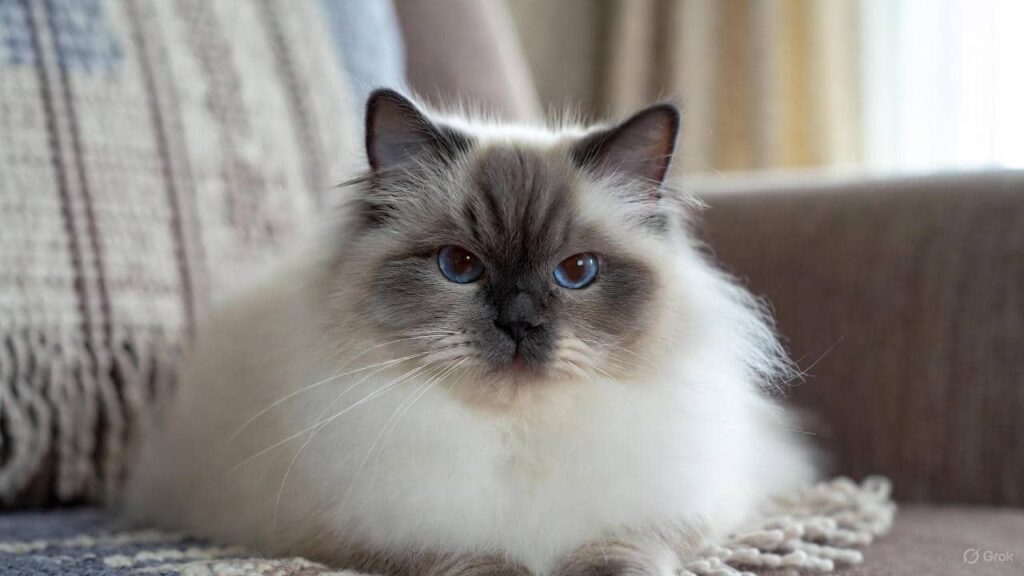
Ragdoll cats have a fascinating backstory that adds to their charm. Developed in the 1960s in Riverside, California, by breeder Ann Baker, the breed began with a white long-haired cat named Josephine, who was crossed with various other cats, including Birman-like and Burmese-like felines. Baker’s goal was to create a cat that was large, gentle, and affectionate—traits that define Ragdolls today. The name “Ragdoll” comes from their tendency to go limp and relaxed when picked up, much like a child’s rag doll toy.
Over the years, the breed gained recognition from major cat associations. For instance, the Cat Fanciers’ Association (CFA) accepted Ragdolls for registration in 1993, and they achieved full championship status in 2000. 57 This milestone helped solidify their popularity worldwide. Today, Ragdolls are one of the most sought-after breeds, known for their striking blue eyes, colorpoint patterns, and semi-long fur. However, their history isn’t without controversy; Baker’s unconventional breeding practices and claims about the cats’ origins (including tales of genetic mutations from car accidents) have been debated among breeders.
Despite these quirks, Ragdolls have evolved into a standardized breed. They come in various patterns like colorpoint, mitted, bicolor, and lynx, with colors including seal, blue, chocolate, lilac, flame, cream, and tortie. If you’re searching for low competition high volume keywords like “Ragdoll cat history” or “origin of Ragdoll breed,” you’ll find plenty of resources emphasizing their American roots and family-friendly appeal. Moreover, as the breed has matured, responsible breeders focus on health testing to preserve their gentle qualities.
Transitioning to their physical traits, it’s easy to see why Ragdolls captivate so many people. Their size alone is impressive—they’re one of the largest domestic cat breeds, with males often weighing 15-20 pounds and females 10-15 pounds. They take up to four years to fully mature, which means your Ragdoll kitten will grow into a majestic adult over time. This slow development is part of what makes them such enduring companions.
Physical Characteristics of Ragdoll Cats
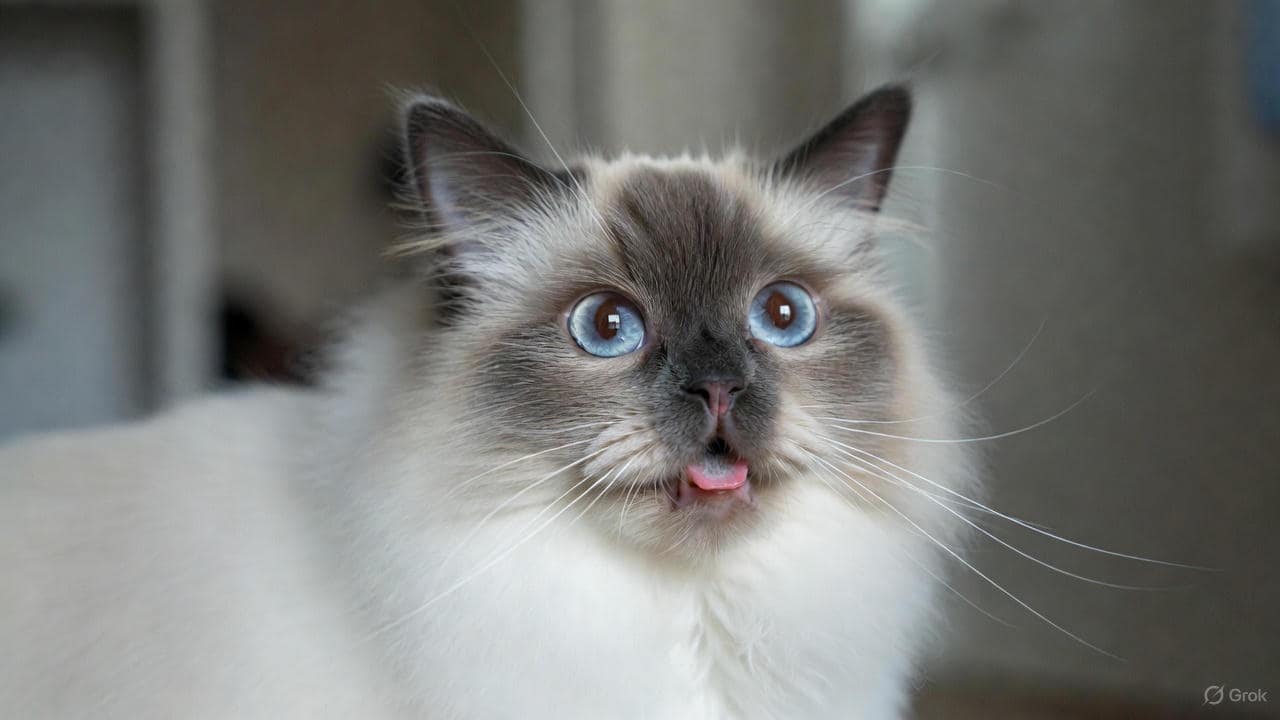
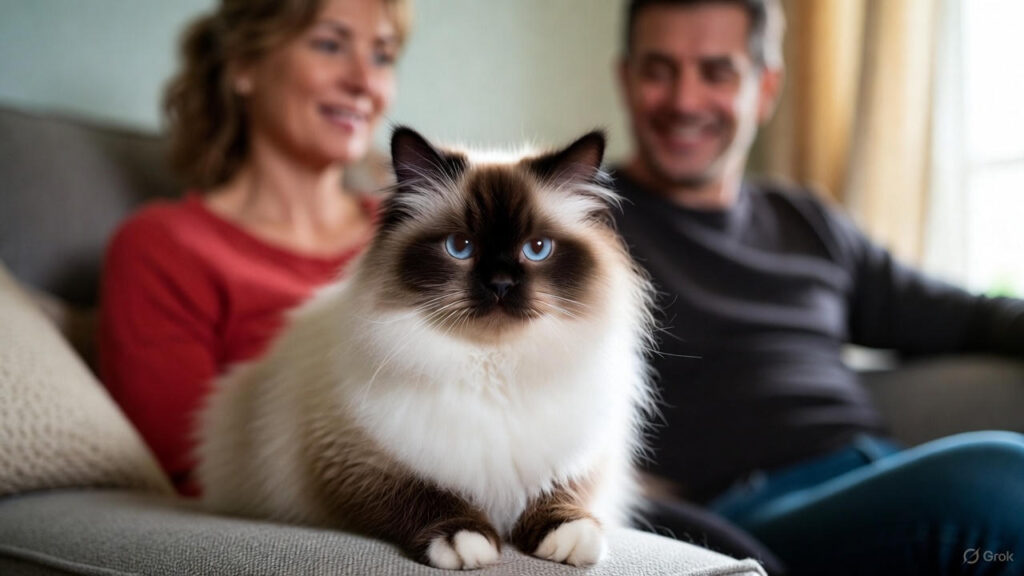
Ragdolls are true showstoppers in the cat world. Their most iconic feature is those piercing blue eyes, set against a semi-long, silky coat that’s plush and rabbit-like in texture. The fur is denser around the neck, forming a ruff, and longer on the tail, giving them a luxurious appearance without the heavy undercoat that plagues some long-haired breeds. This makes grooming manageable, but more on that later.
In terms of build, Ragdolls have a sturdy, muscular frame with a broad chest, short neck, and strong legs. They’re not as agile as some cats—think more laid-back lounger than acrobatic jumper. Colors and patterns vary, but all Ragdolls are pointed, meaning their ears, face, paws, and tail are darker than the body. Popular variations include seal point (dark brown points on a fawn body), blue point (gray points on a lighter body), and mitted patterns where the paws look like they’re wearing white gloves.
One thing to note is their size; as mentioned, males can tip the scales at 20 pounds or more, while females are slimmer but still substantial. This largeness contributes to their “gentle giant” reputation. If you’re typing in searches like “Ragdoll cat size” or “Ragdoll physical traits,” you’ll often see comparisons to Maine Coons, another big breed, but Ragdolls are generally more relaxed.
Additionally, their coat doesn’t fully develop until maturity, so a Ragdoll kitten might start out looking fluffier or less defined. Patience is key here—their beauty unfolds over time. However, this physical grandeur comes with responsibilities; their size means they need ample space to stretch out and play, even if they’re not the most energetic cats.
Related:8 Most Famous Cats From History You Should Know About
Temperament and Companionship: Why Ragdolls Make Ideal Pets
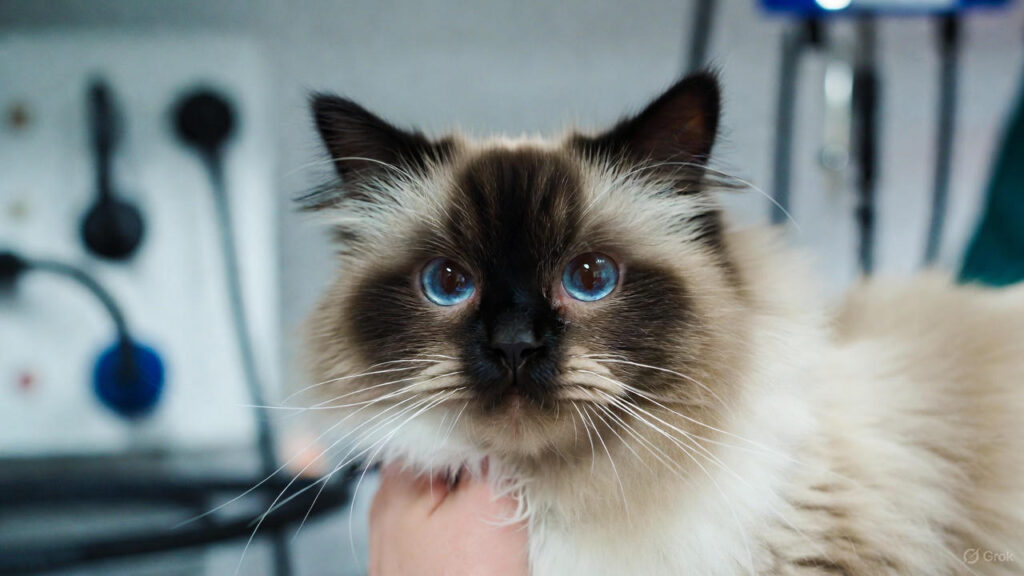
When it comes to companionship, few breeds rival the Ragdoll. These cats are the epitome of affection—they thrive on human interaction and often follow their owners from room to room like loyal shadows. Their temperament is calm, gentle, and sociable, making them perfect for families, singles, or even homes with other pets. Ragdolls are known as “puppy cats” because they greet you at the door, enjoy being carried, and even play fetch on occasion.
For example, if you work from home, a Ragdoll will happily curl up on your lap during Zoom calls, providing that emotional support we all crave. They’re not overly demanding but do prefer company; leaving them alone for long periods can lead to boredom or mild separation anxiety. This is where their adaptability shines—they get along well with children, dogs, and other cats, as long as introductions are gradual.
In terms of personality quirks, Ragdolls are patient and forgiving. They rarely scratch or bite aggressively, preferring to retreat if overwhelmed. This makes them great for households with kids who might be a bit rough during playtime. However, their trusting nature means they should be indoor-only cats; they’re too naive for outdoor dangers like traffic or predators.
If you’re researching “Ragdoll cat temperament” or “Ragdoll companionship,” you’ll find stories of these cats forming deep bonds. One owner might share how their Ragdoll comforts them during tough times, while another highlights their playful side. Moreover, their vocalizations are soft and sweet—not the loud yowls of some breeds. This combination of traits makes Ragdoll cat companionship truly rewarding, fostering a sense of family and warmth.
Transitioning to daily care, understanding their behavior helps in training. Ragdolls are intelligent and respond well to positive reinforcement, which we’ll cover later.
Nutrition and Diet: Feeding Your Ragdoll for Optimal Health
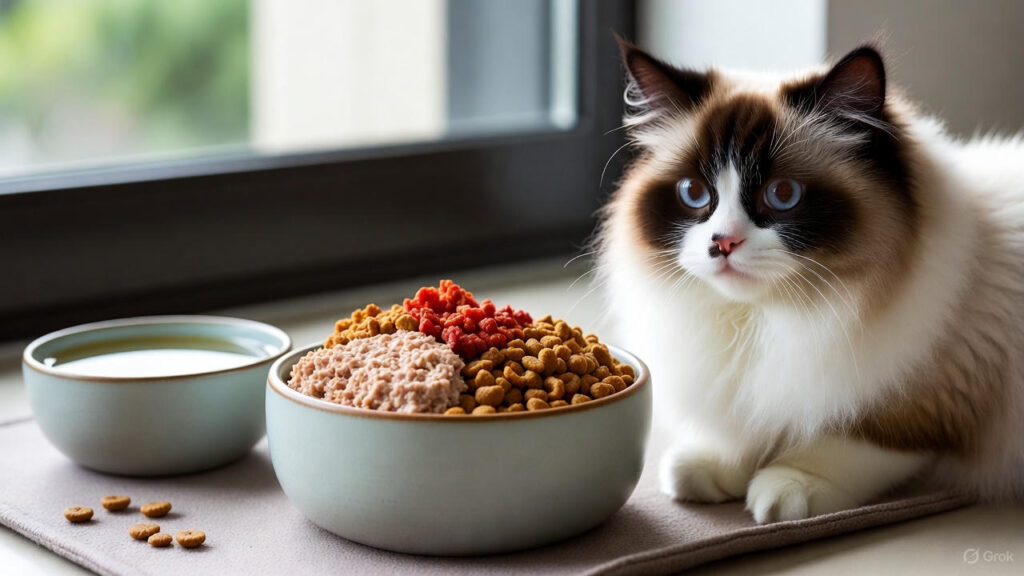
Proper nutrition is the cornerstone of a healthy Ragdoll life. As obligate carnivores, these cats need a diet high in animal-based proteins to thrive. Aim for foods where meat, fish, or poultry is the first ingredient—think chicken, turkey, or salmon. Avoid fillers like corn or soy, which can lead to weight gain, a common issue in this breed due to their laid-back lifestyle.
For portion control, adult Ragdolls typically need 20-25 calories per pound of body weight daily. That translates to about 1/2 to 3/4 cup of high-quality dry kibble or 5-6 ounces of wet food, split into two meals. Kittens, being more active and growing, require more—up to three times the adult amount. Always consult your vet for personalized advice, especially if your cat has specific needs.
Low competition high volume keywords like “Ragdoll cat diet” often point to wet food’s benefits for hydration, as Ragdolls can be prone to urinary issues. Incorporate omega-3 fatty acids for coat health and joint support, given their size. Brands like Royal Canin offer breed-specific formulas that include nutrients for skin and fur.
Moreover, watch for overfeeding; obesity can exacerbate heart problems. Treats should be limited to 10% of daily calories. If switching foods, do so gradually over a week to avoid digestive upset. Hydration is key—encourage drinking with fountains or wet food. For picky eaters, variety helps, but stick to balanced options.
In addition, supplements like taurine are essential, as cats can’t produce it naturally. A well-fed Ragdoll will have energy for play without excess weight. This ties directly into health care, where diet plays a preventive role.
Health Care: Common Issues and Preventive Measures
Ragdolls are generally healthy, with a lifespan of 12-17 years, but like any breed, they have predispositions. Hypertrophic cardiomyopathy (HCM) is a top concern—a genetic heart condition where the muscle thickens, potentially leading to failure. Responsible breeders test for the HCM gene, reducing risks.
Another issue is polycystic kidney disease (PKD), where cysts form in the kidneys, impairing function. DNA testing helps screen this out. Obesity is common due to their size and low activity; regular weigh-ins and exercise prevent joint strain and diabetes.
Urinary tract problems, like bladder stones, arise from diet or dehydration—high-moisture foods mitigate this. Dental disease affects many cats; brush teeth weekly with feline toothpaste. Hairballs from grooming can cause indigestion—fiber-rich food helps.
For preventive care, annual vet visits, vaccinations (core ones like rabies and FVRCP), and parasite control are musts. Spay/neuter early to avoid reproductive issues. Monitor for signs like lethargy, breathing difficulties, or appetite changes.
If searching “Ragdoll cat health issues,” you’ll see emphasis on genetic testing. One external link for more: Check the CFA Ragdoll page for breed standards and health tips.
Additionally, allergies—food or seasonal—can cause skin issues; hypoallergenic diets help. With vigilant care, most Ragdolls live long, happy lives.
Grooming Tips: Keeping Your Ragdoll’s Coat Pristine
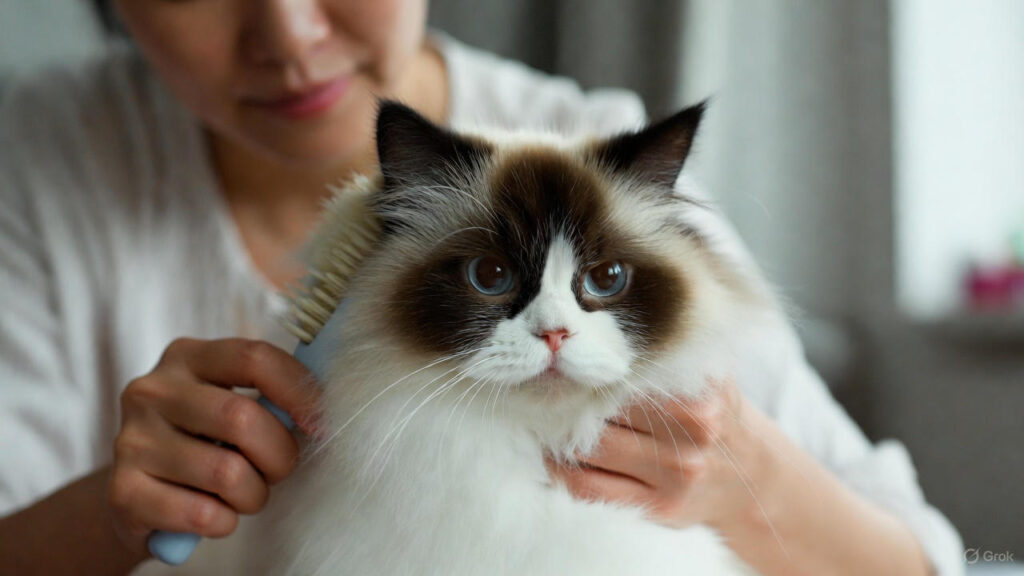
Grooming a Ragdoll is straightforward, thanks to their single-layer coat that resists matting. Brush two to three times weekly with a slicker brush or wide-tooth comb to remove loose fur and prevent tangles. Focus on the belly, legs, and tail—areas prone to knots.
Bathing is rarely needed; most stay clean naturally. If oily, use cat-safe shampoo every few months, drying thoroughly to avoid chills. Nail trims every two weeks keep scratches at bay—use clippers and reward with treats.
Ear cleaning with a vet-approved solution prevents wax buildup. Eye care involves wiping discharge gently. For dental hygiene, enzymatic treats or brushing reduce plaque.
In shedding seasons (spring/fall), daily brushing helps. Tools like de-shedding combs work wonders. If mats form, don’t pull—cut carefully or seek a groomer.
“Ragdoll grooming tips” searches highlight starting young for tolerance. This routine strengthens your bond, enhancing companionship.
Training and Behavior: Shaping a Well-Mannered Ragdoll
Ragdolls are trainable due to their intelligence and eagerness to please. Use positive reinforcement—treats, praise—for litter training, which they master quickly. Teach commands like “sit” or “come” with clickers.
Behavior issues like scratching furniture? Provide posts and redirect. They’re not destructive but may knock things over playfully. Socialize early for confidence.
For “Ragdoll cat training,” consistency is key. Their floppy nature makes harness training fun for walks.
Daily Life with a Ragdoll: Exercise, Environment, and More
Create a stimulating home with perches, toys, and scratching posts. Short play sessions suffice—laser pointers or feather wands engage them.
They’re adaptable to apartments or houses but need vertical space. Multi-cat homes work if intros are slow.
Adoption vs. breeding: Reputable breeders ensure health; rescues offer loving adults.
Also Read: Remarkable Cat Breeds for Tours
Conclusion: Embracing Ragdoll Cat Companionship
In wrapping up this complete guide to Ragdoll cat companionship, nutrition, health care, grooming etc., it’s clear these cats offer unmatched joy. With proper care, they’ll be your devoted partner for years. Remember, the key is love, attention, and informed decisions. Happy cat parenting!
People Also Ask
What makes a complete guide about Ragdoll companionship important for new owners?
A complete guide about Ragdoll companionship helps new owners understand the breed’s gentle temperament, care needs, diet, grooming, and health requirements for a happy long-term relationship.
Are Ragdoll cats good companions for families and children?
Yes, Ragdolls are calm, patient, and affectionate, making them excellent companions for families with children and even other pets.
How affectionate are Ragdoll cats compared to other breeds?
Ragdolls are among the most affectionate cat breeds. They enjoy human interaction, follow their owners around, and often prefer lap time.
Does a complete guide about Ragdoll companionship recommend indoor living?
Yes, Ragdolls are best kept indoors because of their trusting nature and low survival instincts against outdoor dangers.
What diet supports healthy Ragdoll companionship?
A protein-rich diet with high-quality meat-based food, proper portion control, and adequate hydration supports long-term Ragdoll health.
How often should a Ragdoll cat be groomed?
Brushing two to three times per week is enough to keep a Ragdoll’s coat tangle-free and reduce shedding.
What health issues are covered in a complete guide about Ragdoll companionship?
The guide covers common concerns like hypertrophic cardiomyopathy (HCM), obesity, urinary issues, and preventive veterinary care.
Are Ragdoll cats easy to train?
Yes, Ragdolls respond well to positive reinforcement and can learn commands, litter habits, and even leash walking.
Do Ragdoll cats require a lot of exercise?
They need moderate daily playtime. Short interactive sessions are enough to keep them mentally and physically healthy.
Is a complete guide about Ragdoll companionship useful for first-time cat owners?
Absolutely. Ragdolls are beginner-friendly cats, and a complete guide helps owners confidently meet their emotional and physical needs.
How long do Ragdoll cats usually live?
With proper care, nutrition, and regular vet checkups, Ragdoll cats typically live between 12 to 17 years.