American Bobtail A Stunning, Rare, and Loyal Cat Breed for Families
Introduction
Imagine welcoming a cat into your home that looks like it just jumped out of a wildlife documentary—but greets you with the affection of a cuddly living room companion. That’s exactly what the American Bobtail brings to the table. With its robust build, expressive eyes, and trademark short, bobbed tail, this cat breed effortlessly combines the appeal of a mini wild lynx with the warmth of an incredibly friendly house pet.
In fact, many owners describe the American Bobtail as having a dog-like personality — they follow you from room to room, wait for you at the door, and sometimes even play fetch. If you’re searching for a cat that’s both exotic and loving, the American Bobtail is a top choice.
In this article, we’ll explore everything you need to know about this rare breed—from its mysterious origins to temperament, grooming, diet, training, and health. Whether you’re a new cat owner or a seasoned pet lover, this comprehensive guide will help you understand why the American Bobtail has become a beloved breed across many households.
History of the American Bobtail: How It All Began
Although the breed looks wild, the American Bobtail is not related to bobcats or any other wild feline. Instead, the breed originated purely by chance.
Origins in the 1960s
The story begins in the late 1960s when a couple on vacation discovered a unique stray tomcat with a naturally short tail on a Native American reservation in Arizona. This cat, later named Yodi, became part of a selective breeding program that eventually produced what we now know as the American Bobtail.
Why They’re Rare
The gene responsible for their short tail is recessive, meaning it doesn’t appear often in natural breeding. That makes every American Bobtail somewhat of a genetic rarity. Breeders must carefully pair cats to ensure that the bobbed tail continues without causing any spinal deformities, which can occur in other short-tailed breeds.
The Breed’s Development
As the breed grew in popularity, responsible breeders focused on:
- Preserving healthy spinal structure
- Creating strong immune systems
- Enhancing temperament
- Maintaining the signature tail length (usually one-third of a normal cat’s tail)
By the 1980s and 1990s, the American Bobtail began to gain recognition from major organizations like TICA (The International Cat Association).
Appearance: What Makes the American Bobtail Stand Out?
You can spot an American Bobtail from across the room thanks to its unique and striking appearance.
1. The Tail
Their most iconic trait is the tail. It’s:
- Naturally bobbed
- Between 1–4 inches long
- Curved, twisted, or straight
- Highly expressive (yes, they wag it when excited!)
2. Wild Lynx-Like Look
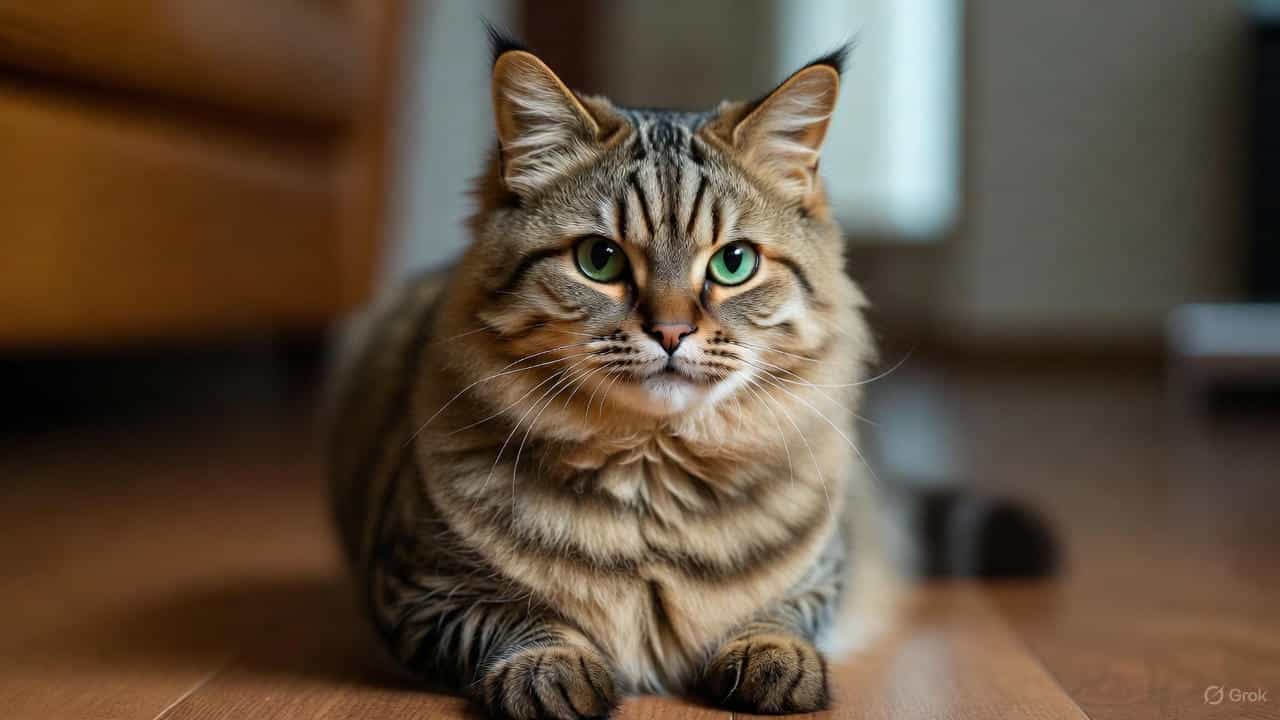
Their face shape, ear tufts, and muscular body often resemble a bobcat, creating an exotic look that many cat lovers adore.
3. Coat Type
American Bobtails come in two coat varieties:
- Short-haired — soft, plush, low shedding
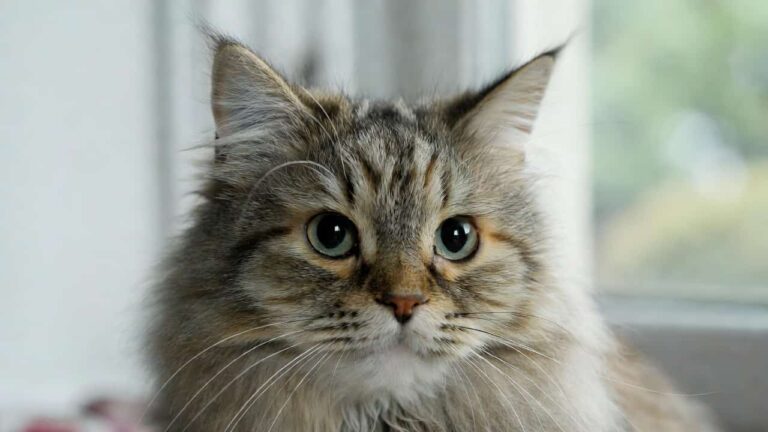
- Long-haired — shaggy, semi-long, and similar to a wild forest cat
Coat colors can vary widely and include:
- Brown tabby
- Orange
- Black
- Silver
- Blue
- Bi-color
- Spotted or ticked patterns
4. Size and Build
They’re considered a medium to large breed.
- Weight: 7–16 lbs
- Body: Athletic and muscular
- Head: Broad with almond-shaped eyes
- Legs: Strong and proportional
- Expression: Alert yet gentle
Despite their wild appearance, they are among the sweetest and most affectionate cat breeds you’ll ever meet.
Personality & Temperament: The Dog-Like Cat
According to WebMD, the American Bobtail’s adaptable and easygoing personality makes it perfect for families, singles, and even multi-pet households.
(External link suggestion: Search “WebMD Pets American Bobtail” on WebMD Pets.)
Top Personality Traits
1. Dog-Like Loyalty
They greet you at the door, follow you around the house, and even wait for you when you leave a room. Their loyalty is one of their most well-loved traits.
2. Playful & Energetic
They enjoy interactive toys, puzzle feeders, climbing structures, and even fetch. They’re natural athletes and need stimulation to keep their minds engaged.
3. Gentle with Children
Their calm nature makes them great with kids. They rarely use claws when playing.
4. Social with Other Pets
American Bobtails get along well with:
- Other cats
- Friendly dogs
- Pet birds (but supervise them!)
- Rabbits or small animals (with caution)
5. Not Overly Vocal
They communicate through:
- Chirps
- Trills
- Soft meows
- Body language (tail wagging included!)
Separation Tolerance
While they love attention, they aren’t overly needy. However, they shouldn’t be left alone for long hours every day.
American Bobtail Grooming Guide
One of the biggest advantages of this breed is that they’re low-maintenance compared to many medium-long-coated cats.
Short-Haired Bobtails
- Brush once a week
- Low shedding
- Easy to maintain
Long-Haired Bobtails
- Brush 2–3 times a week
- Light seasonal shedding
- Prevent tangles by regular brushing
Bathing
Not required unless dirty. They are naturally clean cats.
Nail Trimming
Trim every 2–3 weeks to prevent overgrowth.
Ear & Eye Cleaning
Check for wax buildup or discharge weekly.
Dental Care
Brush teeth 2–3 times a week using cat-safe toothpaste.
Diet & Nutrition: What Should an American Bobtail Eat?
Proper nutrition ensures a long and healthy life.
Protein-Rich Diet
Choose foods with high-quality animal protein like:
- Chicken
- Salmon
- Turkey
- Beef
Wet Food vs. Dry Food
Wet food helps with hydration; dry kibble supports dental health. A combination of both works best.
Avoid Fillers
Stay away from foods with excessive:
- Corn
- Wheat
- Soy
- Artificial colors
Portion Control
American Bobtails have healthy appetites, so ensure proper daily amounts to prevent weight gain.
Safe Treats
Offer:
- Freeze-dried chicken
- Salmon bites
- Catnip treats
Hydration
Always provide fresh water. Consider a pet fountain since Bobtails love moving water.
Training Your American Bobtail
This intelligent breed is surprisingly easy to train. They respond well to positive reinforcement and treat-based rewards.
You Can Train Them To:
- Sit
- Fetch
- Walk on a leash
- Come when called
- Use puzzle feeders
- Perform simple tricks
Litter Training
They’re naturally clean and typically adapt quickly.
Scratching Post Training
Provide multiple posts around the home to prevent furniture scratching.
Health & Lifespan
American Bobtails are known for their strong immunity and overall good health.
Average Lifespan
13–18 years, sometimes even longer.
Common Health Concerns
Though rare, be aware of:
- Obesity (due to strong appetite)
- Dental issues
- Joint stress if overweight
Unlike other bobtail breeds (like the Manx), the American Bobtail rarely has spine or nerve issues because responsible breeders avoid harmful genetics.
Vet Checkups
Schedule:
- Annual exams
- Vaccinations
- Dental cleanings
- Flea & tick prevention
Living With an American Bobtail: Is This Breed Right for You?
Perfect For:
- Families with kids
- Single adults
- Active cat owners
- Homes with friendly pets
- Those who want a playful, loyal cat
- People looking for a wild-looking breed without actual wild traits
Not Ideal For:
- People gone most of the day
- Owners who want a low-energy lap cat
- Those who prefer quiet, independent breeds
How Much Does an American Bobtail Cost?
American Bobtails are considered rare, so prices can vary.
Average Price Range
$600 to $1,500 depending on:
- Breeder reputation
- Coat type
- Lineage
- Location
Adoption Option
Check shelters and breed-specific rescues. Sometimes rescued Bobtails show up unexpectedly.
Low-Maintenance Living: Home Setup Ideas
Here are some ways to adapt your home to keep an American Bobtail happy:
1. Cat Trees
They love climbing and exploring.
2. Interactive Toys
Try feather wands, puzzle toys, or laser pointers.
3. Window Perches
Give them a view of the outdoors.
4. Soft Beds
Warm, cozy beds work perfectly for this affectionate breed.
5. Scratching Posts
Essential to prevent furniture damage.
American Bobtail vs. Similar Breeds
1. Manx
- No tail vs. short bobtail
- Manx can have health issues; Bobtails rarely do
2. Pixie-Bob
- Often larger
- May look even more wild (but no wild DNA)
3. Japanese Bobtail
- Much slimmer
- More vocal
Each of these breeds is unique, but the American Bobtail stands out for its mix of wild looks and soft temperament.
Also Read 👉
Helpful Resources
https://pets.webmd.com/cats/what-to-know-american-bobtail-cats
https://tica.org/breeds/browse-all-breeds?view=article&id=859:american-bobtail-cat-breed
Key Takeaway Box: “Why the American Bobtail Is Truly Special”
The American Bobtail is a rare, intelligent, dog-like, and affectionate breed with a naturally short tail and wild appearance. However, despite its rugged exterior, this cat is one of the best family-friendly, highly adaptable, and playful companions you can bring home. Whether you want a cuddly friend or an energetic pet, the American Bobtail offers the perfect balance.
Frequently Asked Questions (FAQ)
1. Are American Bobtails good family pets?
Absolutely! They are affectionate, calm, and great with children.
2. Do American Bobtails shed a lot?
No. They shed moderately, and regular brushing controls it easily.
3. Is the American Bobtail a natural or man-made breed?
It began naturally from a random mutation but was later refined through responsible breeding.
4. Are American Bobtails wild cats?
No, they have zero wild DNA, even though they look like mini lynxes.
5. How long do American Bobtails live?
They typically live 13–18 years with proper care.
6. Are they expensive?
Yes, they can cost $600–$1,500 depending on breeder quality.
7. Are American Bobtails easy to train?
Very! They learn commands and even enjoy leash walking.