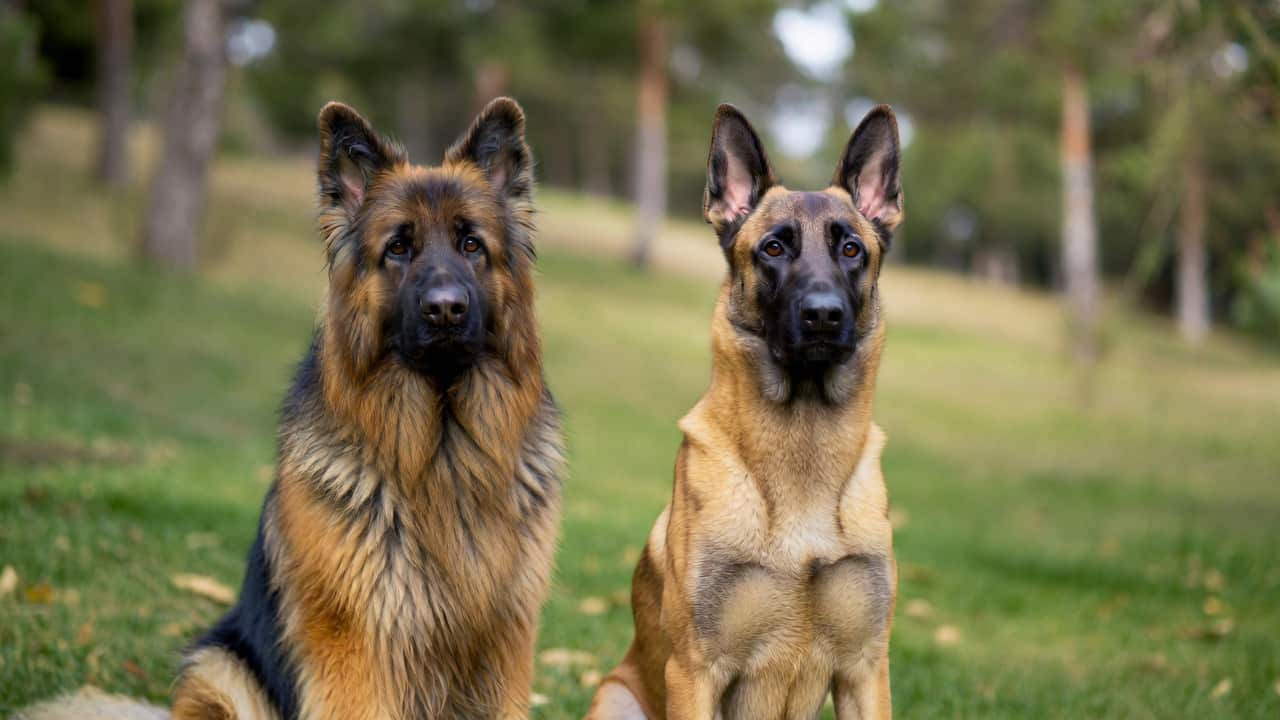
Belgian Shepherd vs German Shepherd: Which Makes the Better Family Dog?
Belgian Shepherd vs German Shepherd: Which makes the better family dog? Explore temperament, training, exercise needs, and child-friendly traits to choose the perfect dog breed for your home.
When it comes to choosing the perfect canine companion for your household, few debates spark as much passion as the one surrounding Belgian Shepherd vs German Shepherd. Both breeds are renowned for their intelligence, loyalty, and protective instincts, making them top contenders for families looking for a devoted four-legged member. But which one truly shines as the better family dog? In this in-depth comparison, we’ll dive into their histories, personalities, physical traits, and more to help you decide. Whether you’re a first-time dog owner or a seasoned pet parent, understanding the nuances between these two herding powerhouses can make all the difference in finding a furry friend that fits seamlessly into your home life.
As someone who’s spent years around dogs – from volunteering at shelters to chatting with breeders at local shows – I’ve seen firsthand how these breeds can thrive in family settings. However, it’s not a one-size-fits-all situation. Factors like your lifestyle, living space, and even the ages of your kids play a huge role. So, let’s break it down step by step, exploring everything from their origins to their day-to-day needs. By the end, you’ll have a clearer picture of whether a Belgian Shepherd or a German Shepherd is the right choice for your family.
First off, it’s important to clarify what we mean by “Belgian Shepherd.” This term actually encompasses four distinct varieties: the Belgian Malinois, Belgian Groenendael (also known as the Belgian Sheepdog), Belgian Tervuren, and Belgian Laekenois. In many comparisons, especially in the U.S., people often focus on the Malinois because it’s the most popular and energetic of the bunch. But for fairness, we’ll touch on the others too, though the bulk of our discussion will center on the Malinois versus the German Shepherd, as that’s the matchup most folks are curious about. After all, both are celebrated for their working abilities, but their suitability as family pets can vary widely.
A Brief History of the German Shepherd
To truly appreciate the German Shepherd, we need to go back to its roots in late 19th-century Germany. Developed by Captain Max von Stephanitz, this breed was originally bred for herding sheep in rural areas. Von Stephanitz aimed to create the ultimate working dog – one that was intelligent, versatile, and tireless. He crossed various herding dogs from different regions, resulting in a breed that quickly gained recognition for its prowess.
By the early 1900s, the German Shepherd had transitioned from farm work to more diverse roles. During World War I, they served as messengers, sentries, and even Red Cross dogs, showcasing their bravery and adaptability. Post-war, their popularity exploded in the U.S., thanks in part to Hollywood stars like Rin Tin Tin, who portrayed heroic roles in silent films. The American Kennel Club (AKC) officially recognized the breed in 1908, and today, it’s one of the most registered breeds worldwide.
What makes this history relevant to families? Well, the German Shepherd’s background as a herder instilled a strong work ethic and protective nature. They’re not just pets; they’re partners who thrive on purpose. In modern times, you’ll find them excelling in police work, search and rescue, and as service dogs for people with disabilities. But in a family context, this heritage translates to a dog that’s eager to please and deeply bonded to its humans. However, their wartime roles also highlight a potential for intensity, which means early socialization is key to ensuring they become well-rounded family members.
Over the decades, breeding lines have diverged. There are working lines, focused on drive and athleticism, and show lines, emphasizing conformation and temperament. For families, show lines often make better pets because they’re generally calmer and more approachable. That said, regardless of the line, German Shepherds require committed owners who understand their need for mental stimulation. Neglect this, and you might end up with a bored dog that’s prone to destructive behaviors like chewing or excessive barking.
Interestingly, the breed’s name changed briefly in the UK during World War I to “Alsatian” due to anti-German sentiment, but it reverted back in 1977. This little tidbit underscores how global events have shaped perceptions of the breed. Today, with proper training, German Shepherds are beloved for their loyalty, often forming unbreakable bonds with children and adults alike. They’re the type of dog that will shadow you around the house, always ready for a game of fetch or a cuddle session after a long day.
ALSO READ: Why Do People Sleep With Their Pets? Secrets & Guidelines
The Origins of the Belgian Shepherd Breeds
Shifting our focus to the Belgian Shepherd, its story begins in Belgium around the same era as the German Shepherd. In the late 1800s, Belgian breeders, led by figures like Professor Adolphe Reul, sought to standardize the country’s herding dogs. Unlike the unified German Shepherd, Belgium’s herders varied by region, leading to the four varieties we know today.
The Belgian Malinois, named after the city of Malines, was bred for its short coat and high energy, making it ideal for police and military work. The Groenendael, with its long black coat, hails from the village of the same name and was prized for guarding. The Tervuren, similar to the Groenendael but with a fawn coat, originated near Tervuren and shares a herding background. Lastly, the rare Laekenois, with its wiry coat, was developed around the Royal Castle of Laeken and used for guarding linen fields.
All four were officially recognized in Belgium as the Chien de Berger Belge, but in the U.S., the AKC treats them as separate breeds: Malinois (1959), Groenendael (as Belgian Sheepdog, 1912), Tervuren (1959), and Laekenois (2020). This separation highlights their slight differences in coat and purpose, but they share core traits like intelligence and agility.
For families, the Malinois often gets the spotlight in comparisons because of its popularity in media – think of them in movies like “Max” or real-life roles in SEAL Team operations. However, the other varieties tend to be slightly less intense, with the Groenendael and Tervuren being more elegant and perhaps better suited for homes with moderate activity levels. The Laekenois is the least common, known for its protective yet affectionate nature.
Historically, these dogs were farm guardians and herders, protecting livestock from predators. During the World Wars, they served similarly to German Shepherds, as messengers and ambulance dogs. Their versatility caught the eye of militaries worldwide, and today, Malinois are favored in high-stakes roles due to their drive. But this intensity can be a double-edged sword for families – they’re not couch potatoes and demand engagement to avoid behavioral issues.
In essence, while the German Shepherd has a more streamlined history, the Belgian Shepherd’s varieties offer options. If you’re drawn to the Belgian side, consider which coat type fits your grooming tolerance and energy match.
Physical Characteristics: Spotting the Differences
At first glance, a Belgian Shepherd (especially the Malinois) and a German Shepherd might look similar – both are medium-to-large dogs with erect ears and athletic builds. But dig deeper, and the distinctions become clear, influencing everything from grooming to exercise needs.
Starting with size, German Shepherd males typically stand 24-26 inches tall and weigh 65-90 pounds, while females are 22-24 inches and 50-70 pounds. Belgian Malinois are slightly smaller and leaner: males 24-26 inches and 60-80 pounds, females 22-24 inches and 40-60 pounds. The other Belgian varieties are similar in size, though the long-coated ones appear bulkier due to fur.
Coat-wise, that’s where they diverge most. German Shepherds have a medium-length double coat that’s dense and weather-resistant, coming in colors like black and tan, sable, or all-black. They shed year-round, with heavy “blowing” seasons twice a year. Malinois have a short, straight coat in fawn or mahogany with a black mask, easier to maintain but still shedding. Groenendael are long-haired black, Tervuren long-haired fawn, and Laekenois wiry and rough – all double-coated and requiring more brushing.
Build-wise, German Shepherds have a more sloping back in show lines, which can lead to health issues, while working lines are straighter. Belgians are more square and agile, excelling in quick movements. Their heads differ too: GSDs have a broader skull, while Malinois have a narrower, more chiseled look.
These physical traits affect family life. A smaller, leaner Malinois might be easier in apartments, but their energy demands space. German Shepherds’ size provides a deterrent presence for protection, but they need room to roam. Coat length impacts allergies and cleanup – short-coated Malinois shed less visibly than fluffy Groenendaels.
In terms of appearance, both turn heads. A well-bred German Shepherd exudes nobility, while a Belgian Shepherd radiates alertness. Choose based on your aesthetic preference and willingness to vacuum!
Temperament and Personality: Heart of the Matter
When evaluating Belgian Shepherd vs German Shepherd as family dogs, temperament is where the rubber meets the road. Both are loyal and intelligent, but their personalities can make or break their fit in a home with kids, other pets, or busy schedules.
German Shepherds are often described as the quintessential family protector. They’re affectionate with their pack, showing gentleness toward children when socialized properly. However, they have an aloofness with strangers, making them excellent watchdogs without being overly aggressive. Their confidence shines through, but they’re not as “wired” as some breeds – they can chill out after a good play session. Experts note their eagerness to please, which stems from that herding background, making them responsive to family dynamics.
On the flip side, Belgian Shepherds, particularly Malinois, are like GSDs on steroids. They’re incredibly smart and driven, but this intensity can overwhelm novice owners. Malinois form deep bonds but are more independent, sometimes testing boundaries. They’re affectionate, yet their high prey drive means they might chase small animals or even kids in play. The other varieties – Groenendael, Tervuren, Laekenois – are similar but often slightly mellower, with the long-coated ones being more elegant and less hyper.
In family settings, GSDs generally score higher for patience with children. They’re tolerant and protective, often becoming “nanny dogs.” Belgians can be great too, but they require experienced handling to channel their energy positively. Both breeds are vigilant, barking to alert rather than incessantly.
Socialization is crucial for both. Without it, GSDs might become overprotective, while Belgians could turn anxious or reactive. Positive reinforcement works wonders, building trust and reducing any wariness toward outsiders.
Personal stories abound: I’ve known families where a German Shepherd patiently endured toddler tail-pulls, emerging as the ultimate playmate. Conversely, a Malinois in an active household thrived as a running buddy but needed firm leadership to avoid mischief. Ultimately, temperament boils down to breeding, training, and environment – but GSDs edge out for most families due to their balanced demeanor.
Trainability: Who Learns Faster?
Both breeds rank among the smartest dogs, according to Stanley Coren’s “The Intelligence of Dogs.” German Shepherds come in at number 3, Belgian Malinois at 22 – but don’t let that fool you; Malinois are quick learners too, often outpacing in working intelligence.
German Shepherds excel in obedience, absorbing commands like sponges. Their desire to please makes training rewarding, whether it’s basic sit-stay or advanced tricks. They’re versatile, shining in agility, herding trials, and therapy work. For families, this means a dog that’s easy to housebreak and integrate into routines.
Belgian Shepherds are no slouches. Malinois, in particular, thrive on challenges, mastering complex tasks in military training. However, their independence can lead to stubbornness if bored. The other varieties are similarly trainable but might be less intense about it.
Training tips: Start early with puppy classes. Use positive methods – treats, praise, toys – to keep sessions fun. Consistency is key; both breeds pick up on inconsistencies quickly. For families, trainable dogs mean safer interactions, like reliable recalls at parks.
One caveat: Over-training a Malinois without outlets can backfire, leading to hyperactivity. GSDs are more forgiving. If you’re new to dogs, a GSD might be easier; for those wanting a project, Belgians deliver.
Exercise Needs: Keeping Them Active and Happy
If there’s one area where Belgian Shepherd vs German Shepherd shows stark contrasts, it’s exercise. Both need activity, but Belgians take it up a notch.
German Shepherds require about 1-2 hours of daily exercise – walks, runs, playtime. They’re content with a backyard romp or hike, but mental games like puzzle toys prevent boredom. Without it, they might dig or chew, but they’re adaptable to moderate lifestyles.
Belgian Malinois? Think marathon runner. They need 2+ hours of vigorous activity, including running, biking, or sports like flyball. Their herding drive demands jobs; idle Malinois can become destructive. The other Belgians are similar but slightly less demanding – Tervurens enjoy agility, Groenendaels herding.
For families, this means matching your energy. Active households with runners or hikers suit Belgians; busier ones might prefer GSDs. Kids can help with exercise through fetch, but supervise to avoid overexcitement.
Remember, exercise isn’t just physical – training sessions count too. A tired dog is a good dog, reducing behavioral issues.
Related: Easy DIY Flea Solutions Every Pet Owner Should Know
Health Concerns and Lifespan
No breed is immune to health issues, and understanding these can help you prepare for a long, happy life with your pup.
German Shepherds live 12-14 years on average, though some sources say 9-13. Common problems include hip and elbow dysplasia, degenerative myelopathy, and bloat. Responsible breeders test for these, so always ask for health clearances. Regular vet checkups, a balanced diet, and weight control mitigate risks.
Belgian Malinois enjoy a longer lifespan of 14-16 years. They’re prone to hip/elbow dysplasia, eye issues like progressive retinal atrophy, and epilepsy. Again, screening is vital. The other Belgians share similar concerns, with coat-specific issues like skin allergies in long-haired varieties.
Both benefit from high-quality food, joint supplements as they age, and dental care. Exercise helps maintain health, but avoid overexertion in puppies to protect growing bones.
In family terms, longer-lived Belgians mean more years of companionship, but GSDs’ issues are well-documented, with plenty of resources available. Budget for pet insurance – it’s a game-changer.
Grooming and Maintenance: Who’s Easier to Care For?
Grooming can be a deal-breaker for busy families, so let’s compare.
German Shepherds’ double coat sheds profusely, especially seasonally. Brush 3-4 times weekly with an undercoat rake, bathe every 2-3 months. Nail trims, ear checks, and teeth brushing round it out.
Malinois’ short coat is low-maintenance – weekly brushing suffices, with minimal bathing. They shed less visibly. Groenendael and Tervuren need daily brushing to prevent mats, while Laekenois’ wiry coat requires hand-stripping.
Overall, Malinois win for ease, but all need regular care to stay healthy. Allergies? Short coats might be better.
Suitability as a Family Dog: The Ultimate Verdict
Here’s where it all comes together: Which is the better family dog?
German Shepherds often take the crown for families. Their gentle nature with kids, combined with protectiveness, makes them ideal guardians. They’re tolerant, trainable, and adaptable, fitting well in homes with children or other pets (with socialization). However, they need space and aren’t suited for tiny apartments.
Belgian Shepherds can be fantastic, but they’re best for experienced, active families. Malinois’ intensity suits homes without small kids, as their energy might overwhelm. The other varieties are more family-friendly – Groenendaels are affectionate, Tervurens playful – but still require commitment.
Factors to consider: Your activity level, time for training, and household dynamics. Both excel as guard dogs, but GSDs are more “off-switch” capable.
For more insights, check out this comparison from the AKC: German Shepherd Dog vs. Belgian Malinois.
Pros and Cons of Each Breed
German Shepherd Pros:
- Loyal and protective
- Great with kids
- Highly trainable
- Versatile for various activities
Cons:
- Heavy shedding
- Prone to health issues
- Needs mental stimulation
Belgian Shepherd (Malinois) Pros:
- Agile and energetic
- Long lifespan
- Low grooming needs
- Excellent for sports
Cons:
- High intensity
- Potential for reactivity
- Not ideal for novices
Conclusion: Making the Right Choice
In the Belgian Shepherd vs German Shepherd debate, there’s no absolute winner – it depends on your family. If you seek a balanced, affectionate protector, go German Shepherd. For an energetic partner in adventure, consider a Belgian, especially Malinois. Whichever you choose, commit to training and love; they’ll repay you tenfold. Research breeders, adopt if possible, and enjoy the journey!