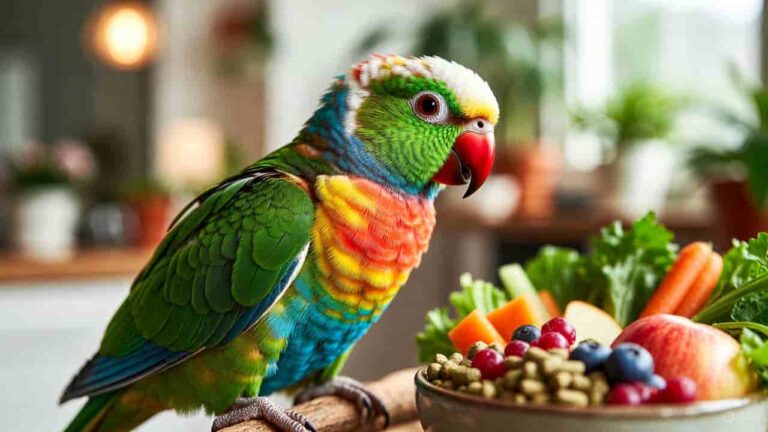

Best Birds for Pets: A Complete Guide for Bird Lovers
Discover the ultimate guide to choosing the best birds for pets! From chatty budgies and affectionate cockatiels to intelligent African Greys, this complete resource covers top species, care tips, nutrition, and everything bird lovers need to bring home a feathered friend. Perfect for beginners and experienced owners alike.
Best Birds for Pets: A Complete Guide for Bird Lovers
If you’re a bird enthusiast dreaming of bringing a feathered friend into your home, you’re in the right place. Birds make incredible companions—they’re intelligent, colorful, and full of personality. But choosing the best pet birds isn’t as simple as picking the prettiest one at the store. It requires thought, research, and a commitment to their unique needs. In this comprehensive guide, we’ll dive deep into everything you need to know about the best birds for pets, from selecting the right species to providing top-notch care. Whether you’re a first-time owner or looking to expand your flock, this article will help you make informed decisions.
I’ve always been fascinated by birds. Growing up, my family had a chatty budgie named Charlie who would mimic our laughter and greet us every morning. That little guy sparked a lifelong love for avian pets. However, not all birds are created equal when it comes to pet ownership. Some are low-maintenance songsters, while others demand hours of interaction and specialized care. That’s why understanding the best pet birds is crucial. We’ll explore popular species, their pros and cons, and tips to ensure a happy, healthy life together.
First off, let’s talk about why birds are such appealing pets. Unlike dogs or cats, birds can live in smaller spaces, making them ideal for apartments or busy lifestyles. They offer companionship without the need for daily walks, and many species can learn tricks or even talk. According to experts, pet birds can reduce stress and provide emotional support, much like therapy animals. 19 But with great joy comes responsibility—birds aren’t impulse buys. They can live for decades, so you’re signing up for a long-term relationship.
In this guide, we’ll cover the essentials: factors to consider when choosing your bird, detailed profiles of the best birds for pets, care routines including choosing the best food, common pitfalls to avoid, and more. By the end, you’ll feel confident in your choice. Let’s get started on this feathered adventure.
Why Choose Birds as Pets?
Transitioning from traditional pets like dogs or cats to birds might seem daunting, but the rewards are immense. Birds bring a slice of nature indoors, with their vibrant plumage and melodic songs brightening any room. For many, the appeal lies in their intelligence—species like African Greys can have vocabularies of over 100 words, turning them into conversational companions. 1
Moreover, birds are relatively low-shedding compared to furry pets, which is a boon for allergy sufferers. However, they’re not entirely hypoallergenic, as dander can still be an issue. If you’re new to this, starting with beginner-friendly birds can ease the transition. Think about it: a small finch might serenade you without demanding much attention, while a cockatiel could become your shadow, whistling tunes and perching on your shoulder.
That said, bird ownership isn’t for everyone. They require mental stimulation to prevent boredom-induced behaviors like feather plucking. In fact, studies show that enriched environments lead to happier, healthier birds. 24 If you’re ready for the commitment, the bond you’ll form is unbreakable. Just remember, choosing the best pet birds means matching their needs to your lifestyle.
Factors to Consider When Choosing the Best Pet Birds
Before rushing to adopt, pause and reflect on several key factors. Firstly, assess your living space. Larger birds like macaws need spacious aviaries, while smaller ones like canaries thrive in modest cages. Noise level is another biggie—talking birds might delight you but annoy neighbors.
Secondly, consider your experience level. Beginners should opt for forgiving species that tolerate minor mistakes. For instance, budgies are resilient and easy to handle. 28 Time commitment varies too; some birds need daily out-of-cage time, others are content observing from afar.
Budget plays a role as well. Initial costs include the bird (anywhere from $20 for a parakeet to thousands for a rare parrot), cage, toys, and vet care. Ongoing expenses like food and bedding add up. Speaking of food, choosing the best food is vital—more on that later.
Additionally, think about lifespan. Some pet birds live 5-10 years, others 50+. 4 Are you prepared for that? Family dynamics matter too; birds can be great for kids but require supervision to avoid accidents.
Lastly, research legalities. Some species are protected or require permits. Check resources like the ASPCA for guidance (https://www.aspca.org/pet-care/bird-care/general-bird-care). By weighing these, you’ll find the best birds for pets that fit seamlessly into your life.
Top Types of Best Birds for Pets
Now, the exciting part: exploring specific species. I’ve selected ten of the best pet birds, focusing on those suitable for various experience levels. Each has unique traits, but all can make wonderful companions with proper care.
1. Budgerigars (Budgies or Parakeets)
Budgies top the list of best pet birds for beginners. These small, colorful Australians are affordable, hardy, and full of energy. Males often learn to talk, mimicking phrases with practice. 2
Pros: Low cost, minimal space needs, sociable in pairs.
Cons: Can be noisy, short lifespan (5-10 years).
Care tips: Provide a varied diet—seeds, pellets, veggies. Toys like mirrors keep them entertained. I once had a budgie who loved swinging while chirping along to music; it’s those little moments that make ownership special.
When choosing the best food for budgies, opt for fortified pellets supplemented with fresh produce. Avoid all-seed diets to prevent obesity.
2. Cockatiels
If you want a step up from budgies, cockatiels are fantastic. Known for their crests and whistling abilities, they’re affectionate and bond deeply with owners. 5
Pros: Gentle, trainable, live 15-20 years.
Cons: Dusty feathers (dander), need regular baths.
In my experience, cockatiels thrive on interaction—head scratches are their love language. For housing, a cage at least 24x24x30 inches is ideal.
Choosing the best food involves a mix of pellets, seeds, and fruits. External link: For more on cockatiel care, visit https://www.allpetbirds.com/.
3. Lovebirds
These pint-sized parrots are true to their name, often forming strong pairs. Solo lovebirds can bond with humans instead. 8
Pros: Playful, colorful, compact size.
Cons: Can be nippy if not socialized, noisy.
They enjoy shredding toys and need mental stimulation. Lifespan: 10-15 years.
For nutrition, choosing the best food means high-quality pellets with millet sprays as treats. They’re prone to deficiencies, so variety is key.
4. Canaries
For those preferring singers over talkers, canaries are among the best pet birds. Males belt out beautiful melodies, especially during breeding season. 31
Pros: Low-maintenance, no handling required, live 10-15 years.
Cons: Fragile, sensitive to drafts.
Keep them in a quiet spot with natural light. Diet: Canary seed mix, greens, egg food for breeding.
Choosing the best food focuses on seeds fortified with vitamins—avoid overfeeding to prevent health issues.
5. Finches (e.g., Zebra Finches)
Finches are perfect for observation rather than interaction. They’re active, social in groups, and their chirps create a lively atmosphere. 28
Pros: Inexpensive, breed easily, minimal noise.
Cons: Not tameable, short lifespan (3-5 years).
House in aviaries for flight. Food: Finch seed mix, insects occasionally.
When choosing the best food, include cuttlebone for calcium.
6. African Grey Parrots
For experienced owners, African Greys are intellectual powerhouses. Their talking ability is legendary—some understand context! 1
Pros: Highly intelligent, loyal, live 40-60 years.
Cons: Prone to plucking, demand attention, expensive.
They need puzzles and foraging toys. Diet: Pellets, nuts, veggies.
Choosing the best food requires balancing fats—too many seeds lead to problems. Link: Learn more at https://www.tracyvets.com/site/blog/2021/08/30/types-of-pet-birds.
7. Hyacinth Macaws
These stunning blue giants are the largest parrots, but they’re gentle souls. 5
Pros: Affectionate, impressive size, live 50+ years.
Cons: Need huge cages, strong beaks destroy toys quickly.
Ideal for dedicated owners. Food: Macaw mix, fruits, palm nuts.
Choosing the best food emphasizes nuts for their natural diet.
Also Read
Ultimate 2026 Cat Food Guide: Best Dry, Wet & Homemade
How Long Does It Take for a Cat to Accept a New Dog?
8. Doves
Peaceful and elegant, doves are underrated as pets. They’re calm and coo softly. 34
Pros: Easy care, pair well, live 10-15 years.
Cons: Messy eaters, not interactive.
Cage with perches. Diet: Dove seed, greens.
Simple when choosing the best food—just quality mixes.
9. Pionus Parrots
Quiet parrots with sweet dispositions, pionus are great for apartments. 5
Pros: Less noisy, affectionate, live 25-40 years.
Cons: Can be aloof initially.
Provide branches for chewing. Food: Pellets, produce.
Choosing the best food includes avoiding high-fat items.
10. Green-Cheeked Conures
Energetic and clownish, these conures are pocket parrots with big personalities. 34
Pros: Playful, cuddly, live 20-30 years.
Cons: Can scream, need supervision.
Toys galore! Diet: Conure pellets, fruits.
Focus on variety when choosing the best food.
These profiles highlight why these are the best birds for pets. Remember, individual temperaments vary, so meet birds before adopting.

Comprehensive Care and Maintenance for Your Pet Bird
Once you’ve chosen your bird, proper care ensures longevity. Let’s break it down.
Housing and Environment
A spacious cage is non-negotiable—birds need room to flap and climb. Line with paper for easy cleaning. 23 Place away from drafts, kitchens (fumes are toxic), and direct sun.
Perches of varying diameters prevent foot issues. Toys rotate weekly to combat boredom.
Choosing the Best Food and Nutrition
Nutrition is where many owners falter. Choosing the best food means ditching all-seed diets—they lack nutrients. Opt for species-specific pellets as 70-80% of intake, supplemented with fresh veggies, fruits, and occasional proteins like eggs. 19
For example, for budgies, choose pellets with added vitamins. Lovebirds love millet, but limit it. Always provide clean water and cuttlebone.
When choosing the best food, consult vets—malnutrition causes feather problems. External link: Detailed diets at https://wagwalking.com/wellness/bird-care-101-a-primer-for-new-pet-parents.
Health and Veterinary Care
Regular check-ups are essential. Signs of illness: fluffed feathers, lethargy. Quarantine new birds. 19
Common issues: respiratory infections, parasites. Vaccinations aren’t typical, but wellness exams are.
Grooming: Trim nails, wings if needed—professionally at first.
Training and Socialization
Birds are trainable! Use positive reinforcement with treats. Start with step-up commands. 24
Socialize early to prevent aggression. Daily interaction builds trust.
For talking birds, repeat phrases consistently.
Common Mistakes in Bird Ownership and How to Avoid Them
Even seasoned owners slip up. One biggie: underestimating time needs—birds get depressed without attention, leading to screaming or plucking. 38
Another: Poor diet choices. All-seed feeds cause fatty liver disease. Always prioritize balanced nutrition when choosing the best food.
Cage size errors—too small causes stress. Improper cleaning spreads bacteria.
Ignoring signs of illness delays treatment. Over-handling stresses shy birds.
Toxic exposures: Teflon pans release deadly fumes. 40
Not providing enrichment leads to boredom. Wrong perches cause bumblefoot.
Buying impulsively without research—adopt from rescues.
Neglecting socialization creates biters.
Inadequate vet care—find avian specialists.
By avoiding these, you’ll foster a thriving relationship.
Conclusion: Embarking on Your Bird Journey
Wrapping up, the best birds for pets enrich lives in countless ways. From the cheerful budgie to the wise African Grey, there’s a match for every bird lover. Remember, success lies in preparation: choose wisely, care diligently, and enjoy the bond.
If you’re ready, visit local shelters or reputable breeders. For more insights, check https://www.rspca.org.uk/adviceandwelfare/pets/birds. 27
Bird ownership is a rewarding path—may your home be filled with songs and feathers!