Better Diet, Better Care, Healthier Birds explains how balanced nutrition and proper care improve bird health, energy, feathers, and lifespan.
Hey there, fellow bird enthusiasts! If you’re like me, your feathered friends are more than just pets—they’re family. Whether you’ve got a chatty parrot perched on your shoulder or a flock of finches fluttering around your aviary, you know that keeping them happy and healthy is a top priority. But here’s the thing: so many bird owners overlook one crucial aspect of care that can make all the difference. That’s right, we’re talking about diet. A better diet leads to better care and, ultimately, healthier birds. In this comprehensive guide, we’ll dive deep into how you can transform your birds’ eating habits for the better. We’ll explore everything from essential nutrients to common pitfalls, all while keeping things practical and easy to implement at home.
You might be wondering why diet matters so much. Well, birds in the wild forage for a variety of foods that keep them thriving, but in captivity, it’s up to us to replicate that. A poor diet can lead to issues like feather plucking, obesity, or even shortened lifespans. On the flip side, getting it right means vibrant plumage, energetic behavior, and fewer trips to the vet. So, let’s get started on this journey toward better diet, better care, healthier birds.
Understanding the Basics of Bird Nutrition
First off, let’s break down what makes up a solid bird diet. Birds aren’t like cats or dogs; their needs are unique, shaped by evolution in diverse habitats. For instance, parrots from tropical rainforests crave fruits and nuts, while seed-eaters like canaries thrive on grains. But no matter the species, balance is key.
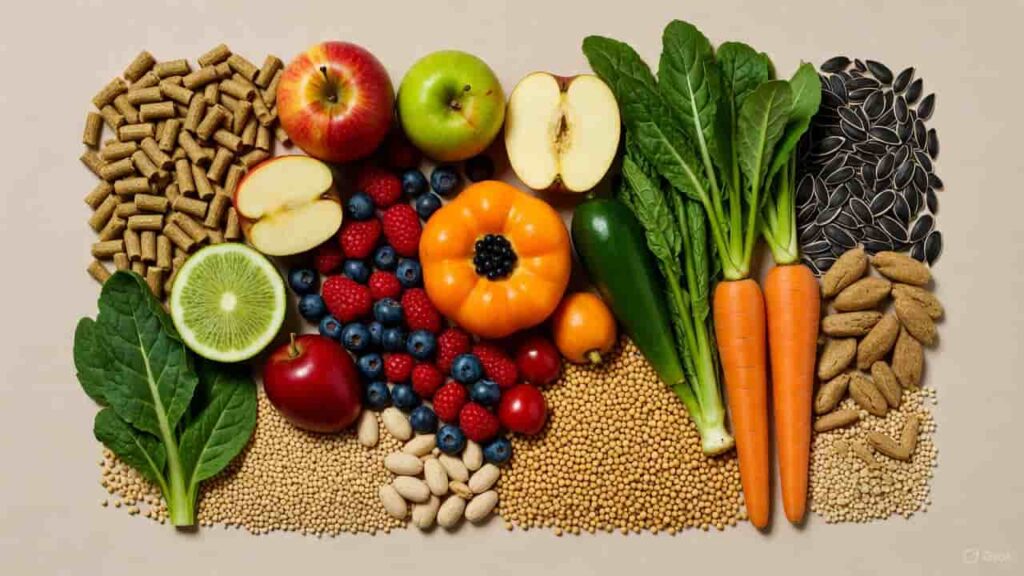
A better diet starts with variety. Relying solely on commercial seed mixes? That’s a common mistake. Those mixes are often high in fats and low in vitamins, leading to malnutrition over time. Instead, aim for a mix of pellets, fresh produce, and occasional treats. Pellets are formulated to provide complete nutrition, but they shouldn’t be the only thing on the menu. Fresh foods add hydration and excitement, mimicking what birds would find in nature.
Moreover, consider the role of proteins. Birds need them for muscle repair and feather growth. Sources like cooked eggs, legumes, or even small amounts of lean meat can be beneficial for larger species. However, always cook proteins to avoid bacterial risks. And don’t forget fats—healthy ones from nuts and seeds support brain health, but moderation is essential to prevent weight gain.
Water is another underrated hero. Fresh, clean water daily isn’t just for drinking; it’s for bathing too, which helps with skin health. Add a splash of apple cider vinegar occasionally for a natural boost, but consult your vet first.
As we move forward, remember that every bird is different. Factors like age, breed, and activity level influence dietary needs. Young birds might need more calcium for bone development, while seniors could benefit from softer foods. Transitioning to this mindset of better diet, better care, healthier birds will pay off in spades.
Common Dietary Mistakes and How to Avoid Them
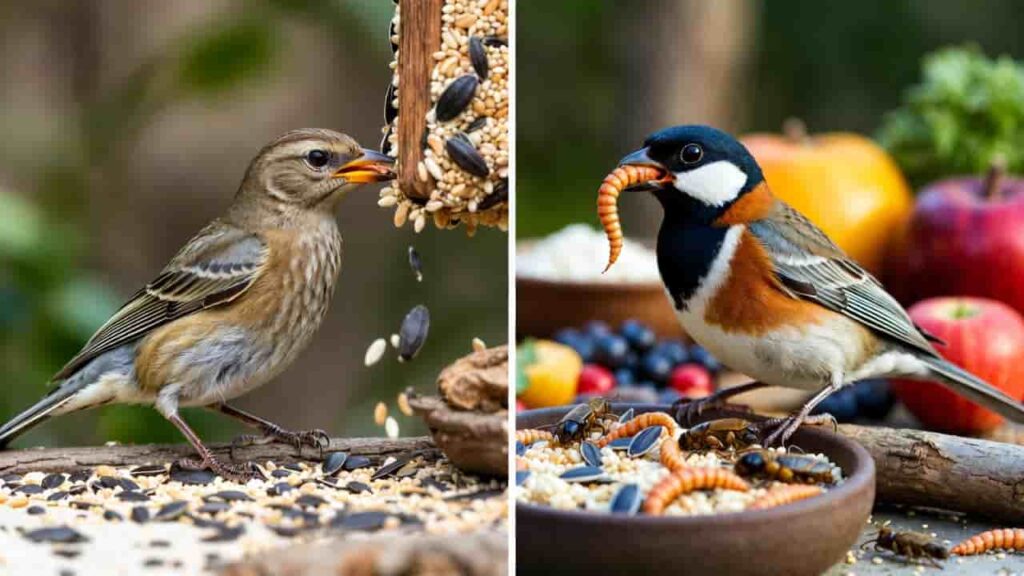
Now, let’s talk about the pitfalls. I’ve seen it time and again—well-meaning owners feeding their birds the wrong stuff, leading to health woes. One big no-no is all-seed diets. Seeds are like junk food for birds: tasty but nutritionally void. They lack vitamin A, which is vital for immune function, and can cause fatty liver disease.
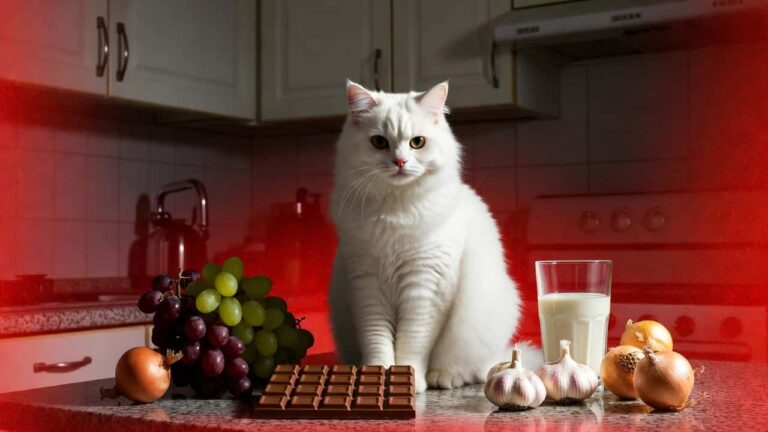
Another mistake? Overfeeding treats. Chocolate, avocado, and caffeine are toxic, but even safe treats like millet sprays should be limited. Birds can become picky eaters if spoiled, refusing balanced meals. Additionally, ignoring portion control leads to obesity, especially in sedentary cage birds.
How do you sidestep these? Start with education. Read labels on commercial foods—look for those without artificial colors or preservatives. Introduce new foods gradually to avoid digestive upset. And always monitor your bird’s weight; a simple kitchen scale can help.
Furthermore, environmental factors play a role. Stress from poor lighting or overcrowding can affect appetite, so pair dietary changes with better living conditions. By avoiding these errors, you’re setting the stage for better diet, better care, healthier birds.
Essential Nutrients Every Bird Needs
Diving deeper, let’s explore the must-have nutrients. Vitamin A tops the list—found in carrots, sweet potatoes, and leafy greens. Deficiency shows up as respiratory issues or poor vision. Then there’s calcium, crucial for eggshell formation in breeders and bone strength in all birds. Pair it with vitamin D3 for absorption; sunlight or supplements can help.
Proteins, as mentioned, come from quinoa, beans, or insects for insectivores. Fats from almonds or walnuts provide energy, but watch the portions. Minerals like iron prevent anemia, while iodine supports thyroid health—sea kelp is a natural source.
Don’t overlook fiber; it aids digestion and prevents blockages. Fruits like apples (seeds removed) and veggies like broccoli offer this. Hydration ties in here too—juicy foods supplement water intake.
In addition, antioxidants from berries combat free radicals, promoting longevity. Probiotics, from yogurt or fermented foods, maintain gut health. Balancing these ensures your birds aren’t just surviving but thriving. This holistic approach embodies better diet, better care, healthier birds.
Tailoring Diets to Specific Bird Species
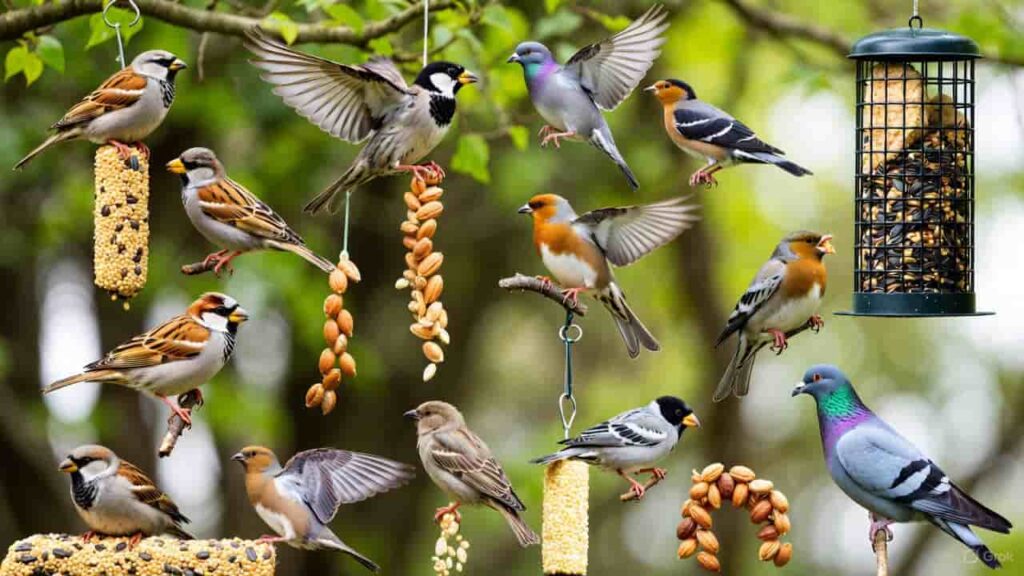
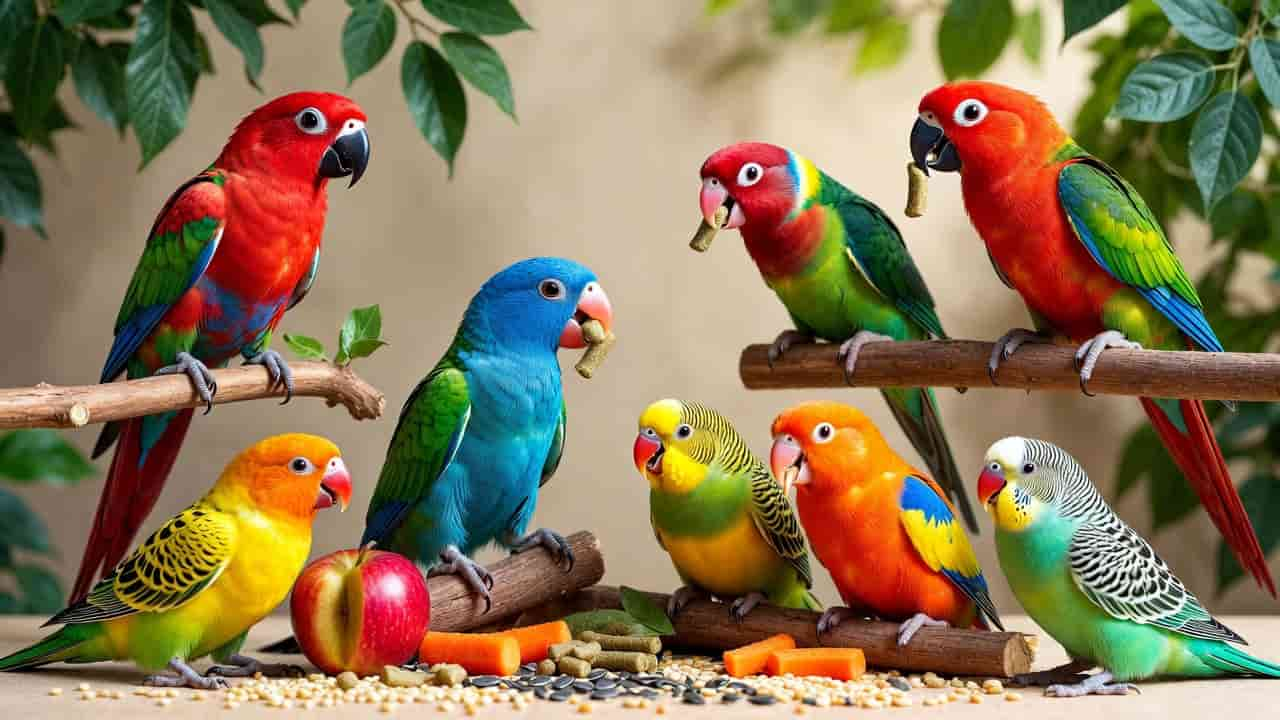
Not all birds are created equal, so let’s customize. For parrots—like African Greys or Macaws—focus on nuts, fruits, and veggies. They love puzzles, so hide food in toys for mental stimulation. A sample daily menu: 50% pellets, 30% veggies (kale, peppers), 20% fruits/nuts.
Canaries and finches? They’re granivores, so high-quality seeds mixed with greens. Add sprouted seeds for extra nutrition—they’re easier to digest. Budgies benefit from millet but need veggies to prevent boredom-induced plucking.
For lorikeets, nectar is key. Commercial nectar mixes supplemented with pollen and fruits mimic their wild diet. Cockatiels enjoy a seed-pellet blend with occasional pasta or rice for variety.
Larger birds like cockatoos need more protein; think lentils or tofu. Always research species-specific needs—books or online forums are goldmines. Adjusting for breed leads to better diet, better care, healthier birds.
The Role of Supplements in Bird Health
Supplements can bridge gaps, but they’re not a cure-all. Use them judiciously. Multivitamins in water-soluble form are handy for picky eaters. Calcium powders for breeding females prevent egg-binding.
Probiotics help during stress, like molting or illness. Omega-3s from fish oil support heart health, but avian-specific formulas are best. Herbal supplements like milk thistle detox the liver.
However, over-supplementing risks toxicity. Get a vet’s blood test to identify deficiencies first. Natural is better—whole foods provide bioavailable nutrients. Supplements enhance, not replace, a solid diet. This careful integration fosters better diet, better care, healthier birds.
RELATED

Establishing Feeding Schedules and Portion Control
Routine matters. Birds thrive on consistency—feed at the same times daily, mimicking dawn/dusk foraging. Morning meals energize, evening ones prepare for rest.
Portions vary: A budgie might need 1-2 teaspoons of pellets daily, plus veggies. Weigh food to track intake; remove uneaten fresh stuff after a few hours to prevent spoilage.
Additionally, encourage foraging. Scatter food or use puzzle feeders to prevent boredom. Free-flight time burns calories, balancing intake.
Monitor changes—weight loss signals issues. Adjust for seasons; winter might require more calories. Structured feeding promotes better diet, better care, healthier birds.
Recognizing Signs of Nutritional Deficiencies
Spotting problems early saves lives. Dull feathers? Could be protein lack. Beak overgrowth points to calcium issues. Lethargy or diarrhea? Vitamin deficiencies.
Respiratory troubles often stem from low vitamin A. Obesity from fatty diets leads to heart strain. Behavioral changes like aggression might indicate imbalances.
Regular vet check-ups catch these. Home observations—droppings should be firm, not watery. Bright eyes and active play signal health. Addressing signs promptly ensures better diet, better care, healthier birds.
Transitioning Your Birds to a Healthier Diet
Change can be tricky, but patience pays. Start slow: Mix new pellets with old seeds, gradually increasing the ratio over weeks.
Make it fun—offer new foods by hand or in toys. Persistence is key; birds can take 20 exposures to accept something new.
Track progress with a journal. If resistance persists, flavor enhancers like herbs can help. Vet guidance eases the process. Successful transitions lead to better diet, better care, healthier birds.
Real-Life Stories: Success with Better Bird Diets
Let me share some inspiring tales. Take Sarah’s parrot, Mango. Plagued by feather plucking, a switch to varied veggies and pellets turned him around—plumage restored in months.
Or Tom’s finches: From listless to lively after adding sprouts. These stories show impact. Community forums abound with similar wins. They prove better diet, better care, healthier birds isn’t just theory.
Incorporating Exercise and Environment into Diet Plans
Diet doesn’t stand alone. Exercise complements it—flight cages or supervised out-time prevent obesity. Toys encourage activity, burning off meals.
Environment matters: Natural light boosts vitamin D synthesis. Cleanliness prevents food contamination. Holistic care amplifies dietary benefits, embodying better diet, better care, healthier birds.
Budget-Friendly Tips for Premium Bird Nutrition
Quality doesn’t have to break the bank. Buy in bulk—pellets store well. Grow your own greens; herbs like parsley are easy.
DIY treats: Bake bird biscuits with oats and fruits. Farmers’ markets offer affordable produce. Savings allow for better care overall.
RELATED

Seasonal Adjustments to Bird Diets
Seasons shift needs. Summer: More hydration via fruits. Winter: Calorie-dense nuts for warmth.
Molting seasons demand extra protein. Breeding? Boost calcium. Adapting keeps birds robust year-round.
The Impact of Water Quality on Bird Health
Pure water is foundational. Filtered or bottled avoids chemicals. Change daily; add electrolytes during heat.
Bathing promotes preening, aiding nutrient absorption via healthy skin.
Advanced Topics: Organic vs. Conventional Bird Foods
Organic options minimize pesticides, benefiting long-term health. But conventional can work if washed well.
Weigh pros/cons—organic might cost more but reduce vet bills.
Partnering with Vets for Optimal Bird Nutrition
Vets are allies. Annual exams guide diets. They recommend tests for tailored plans.
Build relationships for advice on better diet, better care, healthier birds.
Fun Recipes for Homemade Bird Treats
Try this: Mix quinoa, chopped apples, and carrots—bake into balls. Or frozen fruit skewers for summer.
Recipes add joy, strengthening bonds.
Addressing Myths About Bird Diets
Myth: Birds only need seeds. Reality: Variety is vital.
Myth: Chocolate is okay in small amounts. No—toxic!
Dispelling myths promotes accurate care.
The Future of Bird Nutrition: Trends and Innovations
Lab-grown proteins? Eco-friendly feeds? Exciting times ahead.
Stay informed via resources like the American Veterinary Medical Association (one external link: AVMA Bird Care Guide).
Conclusion: Commit to Better Diet, Better Care, Healthier Birds
Wrapping up, embracing better diet, better care, healthier birds transforms lives—yours and your birds’. Start small, stay consistent, and watch the magic. Your feathered companions deserve it.