Can Birds Eat Honey Instead of Sugar? (Complete Guide)
Learn why sugar nectar is safer than honey for birds, including hummingbirds and parrots, and how to feed them correctly.
Hello!
I am a passionate bird lover and have been caring for various types of birds for years. From hummingbirds to parrots, and even wild birds in my garden, I’ve had the chance to observe and understand their unique behaviors, needs, and preferences.
Here am sharing my personal experience for educational purpose and expect you can feel better experience with my thoughts.When I first started making nectar for birds, I asked myself: Can honey be used instead of sugar? This is a common question many bird owners ask, especially when they are looking for natural and healthy alternatives.
Read more about bird feeding guidelines here:Nutrition Tips for Indoor Birds:A Complete Guide line’s
In this article, I will share my experiences, scientific facts, and veterinary advice to explain the meaning of honey versus sugar for birds. Remember, your birds’ health is the top priority, and feeding mistakes can put their lives at risk. Your precious birds also deserve your full attention. Let’s dive in.
Honey vs. Sugar: A Basic Comparison
As a bird owner, I’ve observed that birds are naturally attracted to sweet flavors, such as fruit juices or flower nectar. Honey is a natural sweetener produced by bees, containing fructose, glucose, and other natural compounds. On the other hand, sugar—especially white sugar—is a processed carbohydrate made of sucrose.
But the question remains: Is honey better for birds?
Scientific study about honey risks
From my experience, even though honey is naturally appealing, it is not safe for birds. Honey can contain bacterial spores, such as Clostridium botulinum, which can cause botulism in birds. This serious disease affects their nervous system and can paralyze or even kill them.
Sugar, if used in its pure white form, does not carry these risks because it is processed and free from harmful bacteria.
I remember once a weak hummingbird came to my garden. I thought of giving it honey nectar, but after consulting a vet, I realized that would have been a mistake. Instead, sugar nectar helped it recover quickly.
Before comparing the two further, let’s look at birds’ dietary needs.
The Role of Sweetness in Birds’ Diet
Birds, especially nectar feeders like hummingbirds and tui, rely on carbohydrates for energy. Sugar provides this energy instantly, which is essential for their rapid flight and high metabolism.
Honey also contains carbohydrates, but its additional compounds can make it difficult for birds to digest.
Many bird owners assume that because honey is natural, it must be better. The truth is, birds’ digestive systems are different from humans’, and they cannot process the extra components in honey, which may lead to infections.
Why Sugar is Better for Birds
I have fed my birds white sugar nectar for years, and it has proven to be the best for their health. White sugar is pure and free from extra minerals or bacteria that could harm them.
For hummingbirds, a ratio of 1 part sugar to 4 parts water works perfectly, mimicking the nectar of flowers.
Why sugar?
- ✅ It is safe, affordable, and readily available.
- ✅ Brown sugar or other types contain minerals like iron, which can be toxic to birds. A friend of mine used brown sugar, and his birds developed digestive problems that only resolved after switching back to white sugar.
- ✅ White sugar nectar provides instant energy and meets their metabolic needs without added risks.
Easy Way to Make Sugar Nectar
- Mix 1 cup water with 1/4 cup white sugar.
- Boil the mixture and let it cool.
- Fill the feeder and replace the nectar every other day, especially in hot weather.
RELATED
More sugar nectar tips:
Recommended by organizations like the Audubon Society.
The Dangers of Honey: Scientific Perspective
Many people think honey is natural and therefore safe for birds, but this is a big mistake. Honey can contain Clostridium botulinum spores, causing botulism. This bacteria attacks the birds’ nervous system, preventing them from flying or eating, and can even be fatal.
A neighbor of mine once used honey nectar, and fungal infections spread among his garden birds, affecting their tongues and throats. Honey ferments quickly, encouraging fungal growth, especially when raw.
Honey Risks for Hummingbirds
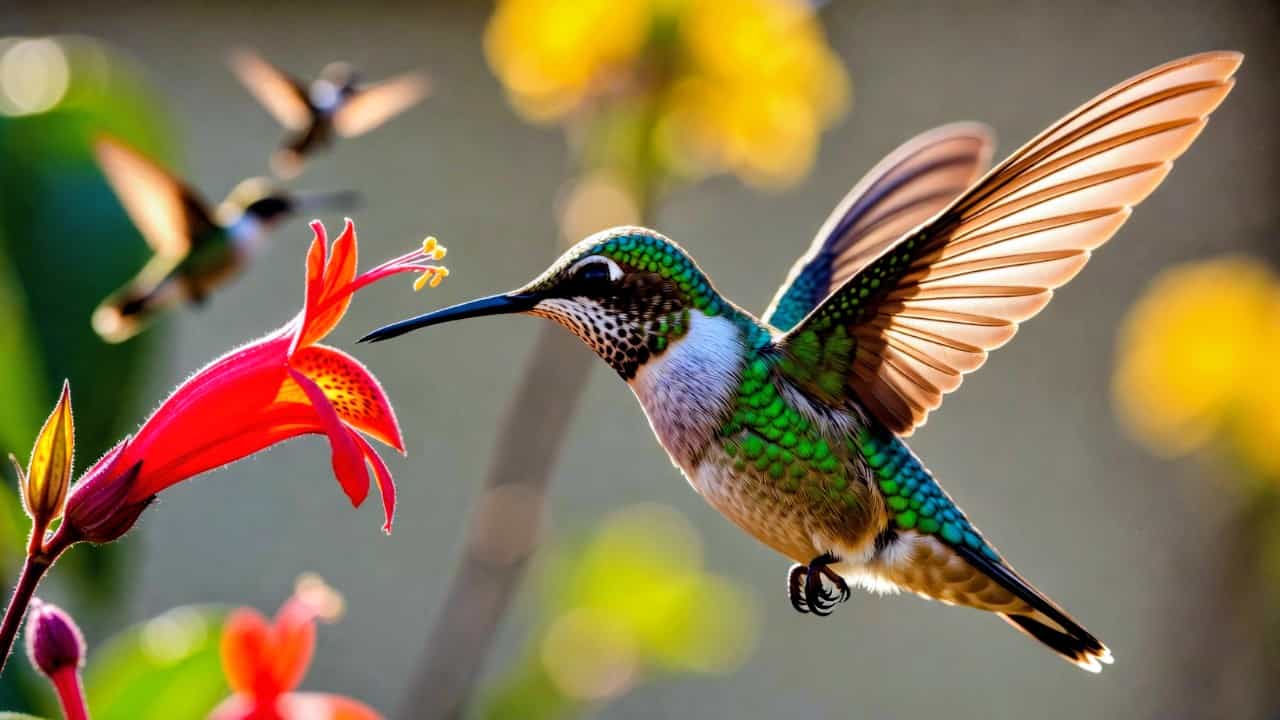
Hummingbirds, my favorite birds, are the most affected by honey. Due to their fast metabolism, they need instant energy, but honey can cause fungal growth in their beaks, making it difficult to drink.
I remember a hummingbird that became weak after drinking honey nectar. The vet confirmed it was due to botulism spores. Fortunately, early treatment saved the bird.
Hummingbirds generally live 3–5 years, but improper feeding can shorten their lifespan. Hot weather accelerates honey spoilage, increasing the risk of infection.
Parrots and Honey: A Cautionary Tale
Parrots like cockatiels or lovebirds should also avoid honey. I have a cockatiel who loves sweet things, but I never give it honey. Why? Because of the risk of botulism affecting their respiratory system. Symptoms include paralysis, lethargy, and closed eyes.
Boiled honey may reduce some risks, but why take the chance? Fruit like apples or bananas is a much safer alternative. One of my parrots accidentally tasted honey, and I immediately consulted a vet. Luckily, there were no issues, but it was a lesson.
Parrots need pellets, vegetables, and fruits in their diet. Too much honey can increase sugar intake, leading to weight gain or diabetes.
Wild Birds Should Avoid Honey Too
Wild birds such as tui or corimaco should stay away from honey-water. Honey attracts bees and spreads diseases while causing malnutrition in birds.
In my garden, I use sugar water instead, keeping the birds healthy. Honey also disrupts ecological balance by attracting bees, which can scare away birds. Sugar does not cause these problems.
Alternatives to Honey and Sugar
If you want to avoid both honey and sugar, consider:
- 🌸 Planting flowers that provide natural nectar. Tubular red or orange flowers attract hummingbirds naturally.
- 🍎 Fresh fruit pieces, like oranges or apples.
- 🛒 Commercial nectar, but ensure it is pure sugar-based.
RELATED
More natural feeding ideas:
Veterinarians recommend prioritizing natural sources to keep birds healthy.
Veterinary Advice and Research
Veterinarians always advise avoiding honey due to the risk of botulism, even in pasteurized honey. Research shows that sugar nectar supports bird species without harm.
If a bird accidentally consumes honey, seek immediate veterinary care, including possible antitoxin treatment.
Specific Tips for Different Birds
Young Birds
Young birds, like baby hummingbirds, are more sensitive to honey due to their weak immune systems. I once cared for an orphaned hummingbird using sugar nectar, which helped it grow healthy.
Older Birds
Older birds often have digestive issues, making honey even more harmful. A smaller amount of sugar nectar is safer for them.
Seasonal Considerations
In hot weather, nectar spoils quickly, so avoid honey completely. In cold weather, sugar nectar does not freeze and provides energy.
Real-Life Examples and Observations
- In my garden, ten hummingbirds were visiting regularly. I provided sugar nectar, and they remained healthy. A friend tried honey, and two birds became ill.
- My parrot gets excited by the smell of honey, but I offer fruit instead. This keeps it healthy.
Many bird owners notice that honey slows birds down and can harm their health.
Effects of Honey on Birds’ Health
Honey can cause fungal infections in the tongue, preventing eating. Botulism affects the nervous system, which can be fatal. Sugar feeding does not cause these problems and helps maintain bird populations.
Feeder Hygiene
Clean feeders daily to prevent fungal growth. Use hot water and vinegar. In my experience, this routine keeps birds healthy and happy.
Environmental Impact
Honey can spread diseases to bees, affecting pollinators, whereas sugar is environmentally friendly.
FAQ
Q1: Are all types of honey dangerous for birds?
Yes, raw and pasteurized honey can contain botulism spores. Avoid it, as recommended by veterinarians. Learn more here: Detection of Clostridium botulinum in Honey Samples — PubMed
Q2: What should I do if my bird eats honey?
Contact a vet immediately. Watch for symptoms like weakness or paralysis. Early treatment can save lives.
Q3: How much sugar is safe?
For hummingbirds, a 1:4 ratio of sugar to water is ideal. Always provide fresh nectar. Excess sugar can cause diabetes. Consult your vet for species-specific advice. Details:Feeding Hummingbirds | International Hummingbird Society” — Hummingbird Society
Q4: Is Manuka honey different?
Manuka honey has antibacterial properties, but botulism risk remains. Small amounts may be tolerated, but it’s better to avoid.
Q5: How can I provide natural nectar for birds?
Plant tubular flowers, like red or orange varieties. Birds will naturally obtain nectar safely.
Conclusion: Your Birds’ Health is in Your Hands
As a bird lover, I firmly believe that sugar is better than honey. My experiences and research clearly show that the risks of honey outweigh its benefits. Keep your birds safe, consult veterinarians, and use natural methods. Seeing them fly healthy and active brings great joy—and it is your responsibility to protect them.
If you have questions or additional tips and research, feel free to share in the comments!