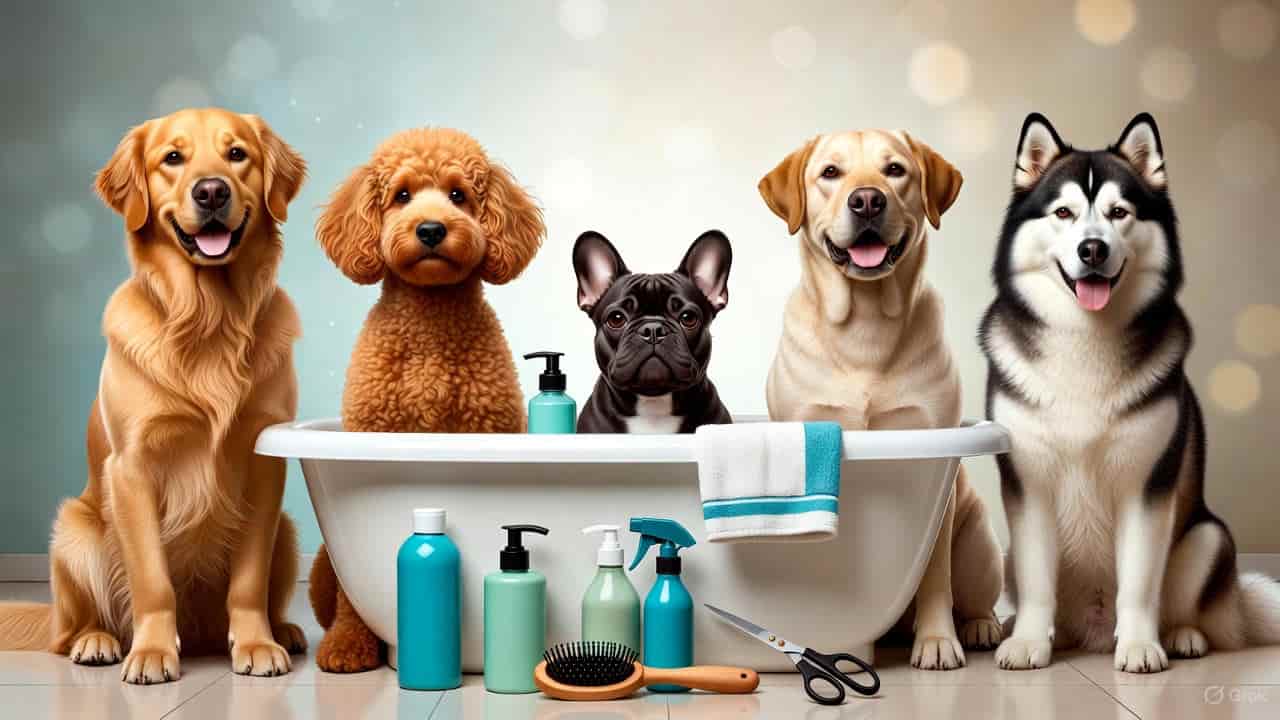
Learn how often to bathe your dog based on breed, coat type, and lifestyle. This complete dog bathing schedule guide helps pet owners maintain healthy skin, shiny coats, and proper hygiene without overbathing.
Dog Bathing Schedule by Breed: Complete Pet Owner Guide
RELATED
As a devoted dog owner, one of the most common questions I get asked—and one I’ve wondered about myself—is how often you should bathe your furry friend. After all, no one wants a smelly pup lounging on the couch, but over-bathing can lead to dry skin and irritation. The truth is, there’s no one-size-fits-all answer. However, understanding your dog bathing schedule by breed can make all the difference in keeping your pet healthy, happy, and fresh.
In this complete pet owner guide, we’ll dive deep into everything you need to know about bathing dogs. Moreover, we’ll break down recommendations by coat type and popular breeds, share expert tips from veterinarians and groomers, and help you create a personalized routine. Whether you have a fluffy Poodle or a sleek Labrador, this guide will empower you to make informed decisions. Let’s get started!
Why Bathing Frequency Matters for Your Dog
First things first: bathing isn’t just about smell control. In fact, regular (but not excessive) baths help remove dirt, allergens, and dead hair while distributing natural oils across the coat. However, too many baths strip away those essential oils, leading to itchy, flaky skin. On the other hand, infrequent bathing can cause buildup, odors, and even skin infections.
Veterinarians emphasize that the ideal dog bathing schedule by breed depends on several factors:
- Coat type: Short, long, curly, double, or hairless—each has unique needs.
- Lifestyle: Active outdoor dogs get dirtier faster than indoor couch potatoes.
- Skin health: Dogs with allergies or conditions may need medicated baths more often.
- Age and season: Puppies and seniors might require gentler routines, while shedding seasons call for extra care.
According to experts at the American Kennel Club (AKC), most dogs thrive with baths ranging from weekly to every few months. For more details, check out their grooming advice here.
Transitioning to the core of our guide, let’s explore how coat types influence bathing frequency.
Understanding Dog Coat Types and Bathing Needs
Dogs come in a stunning variety of coats, and this directly impacts your dog bathing schedule by breed. Generally, we categorize them into short-haired, long-haired, curly/wiry, double-coated, and hairless. Here’s a breakdown:
Short-Haired Breeds
These low-maintenance pups, like Beagles, Boxers, and Dachshunds, have sleek coats that repel dirt naturally. As a result, they don’t need frequent baths.
- Recommended frequency: Every 2-3 months, or as needed if they roll in something stinky.
- Why? Their short fur doesn’t trap odors or debris easily, and over-bathing can dry out their skin.
Many owners find that brushing weekly is enough to keep these breeds shiny between baths.
Long-Haired or Silky-Coated Breeds
Think Shih Tzus, Yorkshire Terriers, Afghan Hounds, and Maltese. These elegant coats tangle easily and collect dirt.
- Recommended frequency: Every 4-6 weeks.
- Why? Regular bathing prevents matting and keeps the coat flowing beautifully. However, daily brushing is crucial to avoid knots.
If your long-haired dog spends time outdoors, you might bump this up slightly.
Curly or Wiry-Coated Breeds
Poodles, Bichon Frises, Portuguese Water Dogs, and Schnauzers fall here. Their curls trap dirt but also hide it well.
- Recommended frequency: Every 3-6 weeks, often combined with professional grooming.
- Why? Baths help prevent matting, and these breeds benefit from clippers to maintain shape.
Curly coats can develop a stronger odor if not bathed regularly, so watch for that telltale sign.
Double-Coated Breeds
Golden Retrievers, Siberian Huskies, German Shepherds, and Labrador Retrievers have a thick undercoat for insulation.
- Recommended frequency: Every 2-4 months, less often for water-repellent coats.
- Why? Frequent bathing strips protective oils, leading to dry skin. Brushing during shedding seasons removes loose fur effectively.
Interestingly, many double-coated owners swear by “dry baths” with brushing tools.
Hairless or Sparse-Coated Breeds
Chinese Cresteds, Xoloitzcuintlis, and American Hairless Terriers have little to no fur.
- Recommended frequency: Weekly or every 1-2 weeks.
- Why? Without fur, oils build up quickly on the skin, causing acne or irritation. Gentle, moisturizing shampoos are essential.
These breeds are prone to sunburn, so baths often include protective lotions.
For a quick reference, here’s a simple table summarizing general dog bathing schedule by breed categories:
| Coat Type | Examples | Bathing Frequency | Key Tips |
|---|---|---|---|
| Short-Haired | Beagle, Boxer, Labrador | Every 2-3 months | Brush weekly; bathe as needed |
| Long-Haired | Shih Tzu, Maltese, Afghan Hound | Every 4-6 weeks | Daily brushing to prevent mats |
| Curly/Wiry | Poodle, Bichon Frise, Schnauzer | Every 3-6 weeks | Professional grooming recommended |
| Double-Coated | Golden Retriever, Husky, Shepherd | Every 2-4 months | Focus on brushing during sheds |
| Hairless | Chinese Crested, Xolo | Weekly | Use moisturizing products |
Of course, always adjust based on your dog’s individual needs. For personalized advice, consult resources like PetMD’s bathing guide here.
Detailed Dog Bathing Schedule by Popular Breeds
Now that we’ve covered the basics, let’s get specific. Here are recommendations for some of the most popular breeds, drawn from veterinarian and groomer insights.
Labrador Retriever
Labs have short, water-repellent coats that shed seasonally.
- Bathing schedule: Every 2-3 months.
- Additional notes: More often if they swim frequently. Use oatmeal-based shampoos for sensitive skin.
Golden Retriever
Double-coated and prone to heavy shedding.
- Bathing schedule: Every 2-4 months.
- Additional notes: Deshedding tools are your best friend. Avoid over-bathing to preserve oils.
Poodle (All Sizes)
Curly, non-shedding coats require regular maintenance.
- Bathing schedule: Every 3-4 weeks.
- Additional notes: Professional clips every 6 weeks keep curls manageable.
German Shepherd
Thick double coat with moderate shedding.
- Bathing schedule: Every 3-4 months.
- Additional notes: Bath more during blowout seasons to reduce loose fur.
Bulldog (English or French)
Wrinkled skin and short coat.
- Bathing schedule: Every 1-2 months.
- Additional notes: Clean folds weekly to prevent infections; use gentle shampoos.
Siberian Husky
Dense double coat designed for cold weather.
- Bathing schedule: Every 3-6 months.
- Additional notes: They self-clean well; brushing is key.
Beagle
Short, dense coat with a hound scent.
- Bathing schedule: Every 2-3 months.
- Additional notes: If they develop “doggy odor,” check diet or health.
Shih Tzu
Long, flowing coat prone to tangles.
- Bathing schedule: Every 3-4 weeks.
- Additional notes: Daily grooming prevents mats.
Bichon Frise
Fluffy, curly coat that mats easily.
- Bathing schedule: Every 4 weeks.
- Additional notes: Tearless shampoos for face washing.
Yorkshire Terrier
Silky long hair.
- Bathing schedule: Every 3-4 weeks.
- Additional notes: Conditioner is essential for shine.
This isn’t exhaustive—there are over 300 breeds! For breed-specific info, the AKC site is invaluable here.
Furthermore, mixed-breed dogs often follow the dominant coat type. If unsure, observe your pup’s skin and odor as indicators.
Factors That Can Adjust Your Dog’s Bathing Schedule
Even within the same breed, individual differences matter. Here are key influencers:
- Activity Level: Outdoor adventurers need baths more often—perhaps monthly.
- Skin Conditions: Allergies or dermatitis may require weekly medicated baths. Always follow vet advice.
- Age: Puppies can be bathed from 8 weeks, but gently. Seniors might need less frequent but more careful baths.
- Climate: Hot, humid areas increase odor; dry climates cause flakiness.
- Diet and Health: Poor nutrition can lead to oily skin, necessitating more baths.
Signs it’s bath time: Strong odor, visible dirt, excessive scratching, or greasy feel.
Conversely, signs of over-bathing: Dry, flaky skin, dandruff, or increased itching post-bath.
Choosing the Best Dog Shampoo for Your Breed
Not all shampoos are created equal. Human products are a no-go—they disrupt pH balance.
- General/all-purpose: Oatmeal or aloe for sensitive skin.
- For oily coats (e.g., Basset Hounds): Clarifying formulas.
- For dry skin: Moisturizing with coconut or argan oil.
- Hypoallergenic: For allergy-prone breeds.
- Flea/medicated: Only as prescribed.
Popular recommendations include brands like TropiClean or Veterinary Formula. For reviews, see this helpful list here.
Always rinse thoroughly—residue causes irritation.
Step-by-Step Guide to Bathing Your Dog at Home
Ready for bath time? Follow these steps for a stress-free experience:
- Prepare: Gather supplies—shampoo, towels, brush, treats.
- Brush first: Remove tangles and loose fur.
- Use lukewarm water: Too hot dries skin.
- Wet thoroughly: Start from neck down.
- Lather gently: Massage in shampoo, avoid eyes.
- Rinse completely: Twice if needed.
- Condition if necessary: For long/curly coats.
- Dry well: Towel then air-dry or low-heat blower.
- Reward lavishly: Positive reinforcement builds tolerance.
Pro tip: Start young to make baths enjoyable.
For visual tips, check grooming tutorials on sites like Petco here.
Common Bathing Mistakes to Avoid
Many owners unknowingly harm their dog’s skin. Avoid these:
- Bathing too often without moisturizing products.
- Using hot water.
- Skipping rinse—soap residue itches.
- Neglecting drying, especially in folds or thick coats (leads to hot spots).
- Forcing a fearful dog—build trust gradually.
If your dog hates baths, consider professional groomers.
When to Seek Professional Grooming
Home baths are great, but pros handle tricky breeds. Signs you need one:
- Severe matting.
- Breed-specific clips (e.g., Poodles).
- Skin issues requiring expertise.
Professional grooming often includes baths, trims, nail clips, and ear cleaning.
Additional Grooming Tips Beyond Bathing
Bathing is just one part. Maintain health with:
- Brushing: Daily for long coats, weekly for short.
- Nail trims: Every 3-4 weeks.
- Ear cleaning: Weekly for floppy-eared breeds.
- Teeth brushing: 2-3 times weekly.
- Paw care: Wipe after walks.
A full routine prevents problems and strengthens your bond.
Frequently Asked Questions (FAQs)
1. How often should I bathe my dog by breed?
Bathing frequency depends on your dog’s breed, coat type, and lifestyle. Short-haired breeds usually need baths every 6–8 weeks, while long-haired or curly-coated breeds may require bathing every 3–4 weeks.
2. Can I bathe my dog too often?
Yes. Overbathing can strip natural oils from your dog’s skin, leading to dryness, itching, and irritation. Always follow a breed-appropriate bathing schedule.
3. Do dogs really need baths if they don’t smell?
Even if a dog doesn’t smell, dirt, allergens, and bacteria can build up. Regular baths help maintain skin health and coat hygiene, especially for active dogs.
4. What happens if I don’t bathe my dog enough?
Infrequent bathing can cause matted fur, skin infections, allergies, and strong odor, particularly in long-haired or oily-skinned breeds.
5. What shampoo is best for dogs?
Always use dog-specific shampoos. Human shampoos disrupt a dog’s skin pH and may cause irritation. Choose oatmeal, hypoallergenic, or medicated shampoos as needed.
6. How often should puppies be bathed?
Puppies under 12 weeks should not be fully bathed unless necessary. Use damp cloths or puppy wipes. After that, bathing every 4–6 weeks is ideal.
7. Do double-coated dogs need frequent baths?
No. Double-coated breeds like Huskies and Golden Retrievers should be bathed every 6–12 weeks to protect their insulating undercoat.
8. Should senior dogs be bathed differently?
Yes. Senior dogs often need gentler shampoos and shorter, more frequent baths due to sensitive skin and mobility issues.
RELATED

Conclusion: Tailor Your Dog Bathing Schedule by Breed for a Happier Pup
Ultimately, the perfect dog bathing schedule by breed balances cleanliness with skin health. By considering coat type, lifestyle, and individual needs, you’ll keep your dog smelling fresh and feeling great. Remember, when in doubt, consult your vet—they know your pup best.
Owning a dog is a joy, and proper grooming enhances that bond. Start implementing these tips today, and watch your furry friend thrive!