Dog Licking Paws Constantly: Common Causes and When to Worry
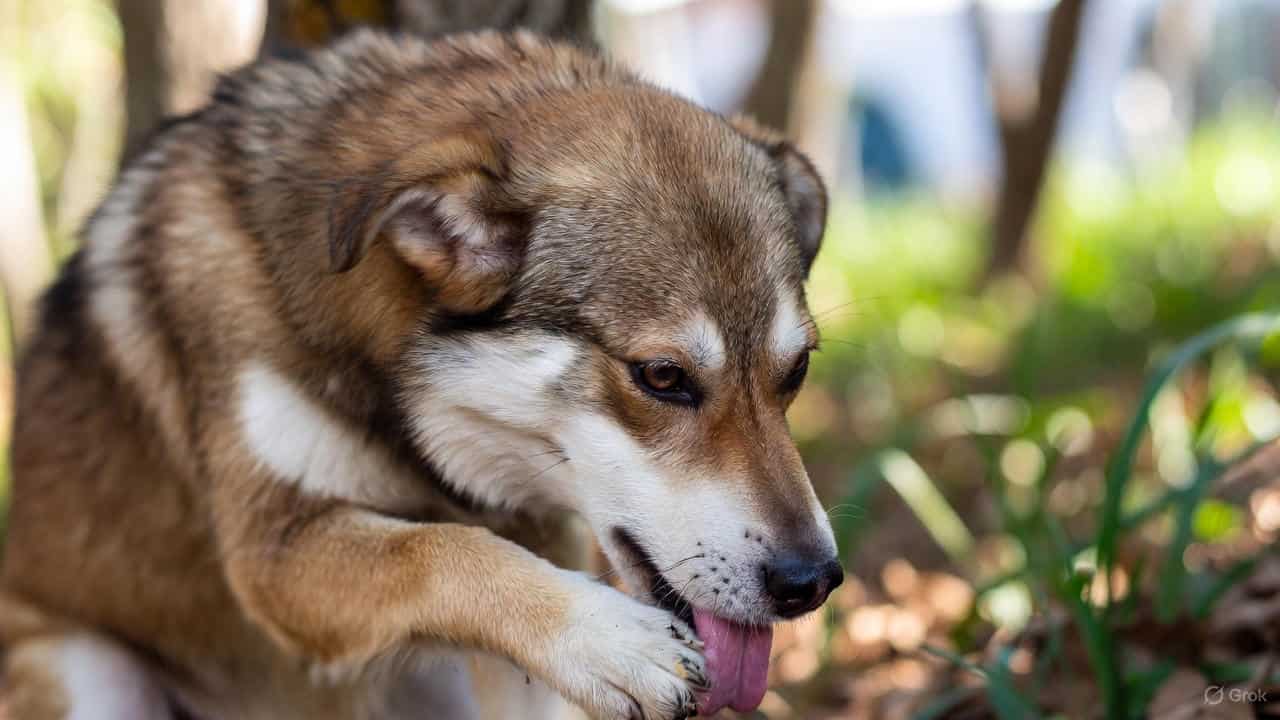
If your Dog Licking Paws constantly, it could be more than just a grooming habit. From allergies and infections to pain and anxiety, excessive paw licking often signals an underlying problem. This in-depth guide explains the most common causes of dog paw licking, effective home remedies, warning signs to watch for, and when it’s time to see a veterinarian—so you can keep your dog comfortable, healthy, and itch-free.
Dog Licking Paws Constantly: Common Causes and When to Worry
RELATED
Hey, dog parents! If you’ve ever wondered why your dog licks their paws so much, you’re definitely not alone. That constant slurping sound can drive you nuts, and more importantly, it often means something’s bothering your furry friend. I’ve been there with my own dog—he’d go at his paws like there was no tomorrow during allergy season, leaving them red and sore. In this guide, we’ll break down dog licking paws constantly: common causes and when to worry. We’ll cover everything from everyday triggers to serious red flags, plus simple ways to help your pup feel better.
A little paw licking is totally normal for dogs. It’s how they groom themselves, just like cats. They might clean off dirt after a walk or soothe a minor itch. But when it turns into excessive paw licking in dogs, it can signal discomfort, pain, or even anxiety. Many pet owners search for “why does my dog lick his paws constantly” because it’s such a common issue. Allergies top the list for most vets, but there are other culprits too. 0 “LARGE” 1 “LARGE” 3 “LARGE”
In fact, skin problems like this make up a big chunk of vet visits. We’ll look at the main reasons behind dog licking paws raw, share some stop dog paw licking home remedies, and explain when it’s time to call the vet. I’ll also link to trusted sources like the American Kennel Club and PetMD for more details. Let’s dive in and help your dog get some relief!
Why Do Dogs Lick Their Paws Normally (and When Does It Become a Problem)?
First things first: dogs lick their paws for good reasons sometimes. After a muddy walk, they’ll clean off grass, dirt, or even road salt in winter. It’s their natural grooming routine. Licking also releases feel-good endorphins, so it can be a way to relax.
However, if your dog is licking paws constantly—especially one paw more than others, or until the fur stains pink from saliva—it might be trying to tell you something’s wrong. Excessive licking can lead to hot spots, infections, or even lick granulomas (those stubborn, thickened sores from nonstop licking).
For example, many dogs lick more at night when things are quiet, or after eating if food allergies are involved. Pay attention to patterns. Is it seasonal? After walks? That can give clues.
Breeds with furry feet, like Golden Retrievers or Bulldogs, might trap more debris, leading to irritation. Older dogs could be dealing with joint pain that shows up as paw focus.
The bottom line? Occasional licking is fine. Constant, intense licking isn’t. Let’s explore the most common causes.
The Most Common Causes of Dogs Licking Paws Constantly
There are several reasons why dogs obsess over their paws. Here’s a closer look at the top ones, based on what vets see most often.
1. Allergies – The Number One Reason
Allergies are by far the biggest culprit for dog licking paws constantly. Just like us, dogs can react to pollen, dust mites, mold, or even food ingredients. This is called atopic dermatitis, and it often hits the paws first because they’re in constant contact with allergens.
Environmental allergies flare up seasonally—think spring pollen or fall ragweed. Food allergies might cause year-round itching, often from proteins like chicken, beef, or grains.
Symptoms include red paws, itchy ears, and nonstop licking. If your dog licks paws raw between the toes, allergies are a strong suspect.
A simple fix for many is wiping paws after outdoor time or switching to a limited-ingredient diet. For more info, check out PetMD’s guide on why dogs lick and chew paws here. 8 “LARGE” 5 “LARGE” 9 “LARGE”
2. Pain or Injury
Sometimes it’s straightforward: your dog stepped on something sharp, got a splinter, or burned pads on hot pavement. Insect bites, thorns, or cracked pads from dry weather can all cause pain, leading to licking for relief.
Arthritis in older dogs might make joints ache, and they’ll lick paws to soothe it. Look for limping, swelling, or favoring one leg.
Always check paws gently—spread the toes and look for cuts, foreign objects, or swelling.
3. Parasites Like Fleas or Mites
Fleas love hiding between toes, and even one bite can trigger intense itching if your dog has flea allergy dermatitis. Ticks, mange mites, or demodex can do the same.
Regular flea prevention is key. If you see tiny black specks (flea dirt) or bald patches, act fast.
4. Infections (Bacterial, Yeast, or Fungal)
Constant moisture from licking creates a perfect environment for yeast or bacteria to overgrow. Yeast infections often smell musty and make paws greasy-brown. Bacterial ones cause redness and oozing.
These are usually secondary—starting from allergies or injury—but they make itching worse, creating a cycle.
5. Dry Skin or Irritants
Winter dryness, frequent baths, or contact with chemicals (like lawn fertilizers or cleaners) can dry out paws, causing itchiness. Road salt in snowy areas is a common winter trigger.
6. Anxiety or Boredom
Not everything is physical. Stressed or bored dogs might lick paws as a self-soothing habit, similar to how people bite nails. Separation anxiety, loud noises, or lack of exercise can play a role.
If licking happens when alone or during storms, this could be it. More playtime, puzzles, or calming aids often help.
7. Other Health Issues
Rarely, hormonal problems (like Cushing’s disease) or autoimmune conditions cause skin changes leading to licking. If accompanied by thirst, weight changes, or lethargy, see a vet.
As you can see, figuring out “why is my dog licking paws so much” takes some observation. Keep notes on when it happens to share with your vet.
When Should You Worry About Your Dog Licking Paws Constantly?
Not every lick is an emergency, but some signs mean it’s time to worry and get help.
Worry if:
- Paws are red, swollen, bleeding, or have sores.
- Licking causes hair loss, staining, or thick skin (lick granuloma).
- Your dog limps, whines, or seems in pain.
- There’s a bad smell, discharge, or oozing (sign of infection).
- Licking disrupts sleep or daily life.
- It suddenly starts or focuses on one paw (could be injury or foreign object). 6 “LARGE” 7 “LARGE” 10 “LARGE”
If home efforts don’t help in a week, or symptoms worsen, book a vet visit. They might do skin scrapes, allergy tests, or prescribe meds. Early action prevents bigger problems. The AKC has great advice on when paw licking needs attention here. 11 “LARGE” 12 “LARGE”
Simple and Effective Remedies to Stop Dog Paw Licking
Once you know the cause, relief is possible. Start with gentle home options, but always check with your vet first.
Home Remedies to Try
- Paw Wipes or Soaks: Wipe paws daily with a damp cloth or pet-safe wipes to remove allergens. For soothing, try a 5-10 minute soak in cool water with diluted apple cider vinegar (helps with yeast) or Epsom salts. 13 “LARGE” 14 “LARGE”
- Moisturizers: Apply pet-safe balm, coconut oil, or musher’s secret to dry pads. It protects and heals cracks. 15 “LARGE”
- Bitter Sprays or Cones: To break the habit temporarily.
- Diet Tweaks: Add omega-3 supplements for skin health, or try hypoallergenic food.
- More Exercise: For boredom-related licking, add walks, toys, or puzzles.
Vet-Recommended Treatments
For allergies: Antihistamines, steroids, or immunotherapy shots. Infections: Medicated shampoos, antibiotics, or antifungals. Anxiety: Training, pheromone collars, or meds.
Many dogs improve dramatically with the right plan. Patience is key—it might take trial and error.
How to Prevent Excessive Paw Licking in the First Place
Prevention is easier than treatment! Here are easy habits:
- Regular paw checks and nail trims.
- Booties for rough terrain or winter salt.
- Year-round flea control.
- Gentle, infrequent baths with moisturizing shampoo.
- Balanced diet rich in essential fatty acids.
- Plenty of mental and physical stimulation.
- Clean home—avoid harsh chemicals.
By staying proactive, you can keep those paws happy and lick-free.
Frequently Asked Questions (FAQs)
RELATED
Why is my dog licking his paws constantly?
Dogs usually lick their paws constantly due to allergies, skin irritation, pain, infection, or anxiety. Environmental allergens like pollen, food sensitivities, flea bites, or yeast infections are the most common causes. If licking is frequent or intense, it often signals discomfort that needs attention.
Is it normal for dogs to lick their paws?
Yes, occasional paw licking is normal and part of a dog’s grooming routine. However, excessive or nonstop paw licking—especially causing redness, sores, or hair loss—is not normal and may indicate an underlying health issue.
Can allergies cause dogs to lick their paws?
Absolutely. Allergies are the number one reason dogs lick their paws excessively. Both environmental allergies (pollen, dust, mold) and food allergies commonly cause itchy, inflamed paws, leading dogs to lick or chew them for relief.
What does it mean if my dog licks paws raw?
If your dog is licking paws raw, it usually means the itching or pain is severe. This can be caused by allergies, infections (yeast or bacteria), parasites, or injury. Raw paws are at high risk of infection and should be evaluated by a veterinarian.
How can I stop my dog from licking his paws at home?
You can try several home remedies:
- Wipe paws after walks to remove allergens
- Use pet-safe paw balms or coconut oil for dryness
- Try diluted apple cider vinegar or Epsom salt soaks
- Improve diet with omega-3 supplements
- Increase exercise and mental stimulation
If licking continues after 7–10 days, veterinary care is recommended.
When should I worry about my dog licking his paws?
You should worry and contact a vet if:
- Paws are red, swollen, bleeding, or oozing
- There is a bad odor (sign of infection)
- Licking causes hair loss or thickened skin
- Your dog limps or shows pain
- Licking interferes with sleep or daily activities
Early treatment prevents chronic skin problems.
Can anxiety or boredom cause paw licking in dogs?
Yes. Anxiety, stress, or boredom can lead to compulsive paw licking as a self-soothing behavior. This is common in dogs with separation anxiety or insufficient mental and physical stimulation.
Do yeast infections cause dogs to lick their paws?
Yes. Yeast infections are a very common cause of paw licking. They often produce a musty smell, brown staining between toes, and greasy or inflamed skin. Yeast infections usually require antifungal treatment prescribed by a vet.
Should I use a cone or bitter spray to stop paw licking?
Cones and bitter sprays can help temporarily prevent licking, but they do not treat the underlying cause. They are best used alongside proper treatment, not as a standalone solution.
Can diet changes help reduce paw licking?
Yes. Switching to a limited-ingredient or hypoallergenic diet can significantly reduce paw licking caused by food allergies. Adding omega-3 fatty acids also supports healthier skin and reduces inflammation.
How long does it take for dog paw licking to stop?
The timeline depends on the cause. Mild irritation may improve in a few days, while allergies or infections can take weeks with proper treatment. Chronic cases may require long-term management rather than a quick fix.
How can I prevent my dog from licking paws excessively in the future?
Preventive steps include:
- Regular paw inspections
- Year-round flea prevention
- Wiping paws after outdoor walks
- Avoiding harsh chemicals and road salt
- Feeding a balanced, skin-supportive diet
- Providing adequate exercise and enrichment
Consistent care greatly reduces the risk of recurring paw problems.
Final Thoughts: Helping Your Dog Feel Better
Dealing with dog licking paws constantly: common causes and when to worry doesn’t have to be overwhelming. Whether it’s allergies, an injury, or stress, most cases are manageable with a little detective work and care. Watch your pup closely, try safe remedies, and don’t hesitate to get professional help if needed.
Your dog relies on you to notice these signs—addressing it early can prevent discomfort and bigger issues down the line. Here’s to healthier, happier paws and more tail wags!
For more expert tips, visit the AKC’s dog health section here or VCA Hospitals on pododermatitis here.