
Happy Home, Happy Cat: Safety Signs to Watch
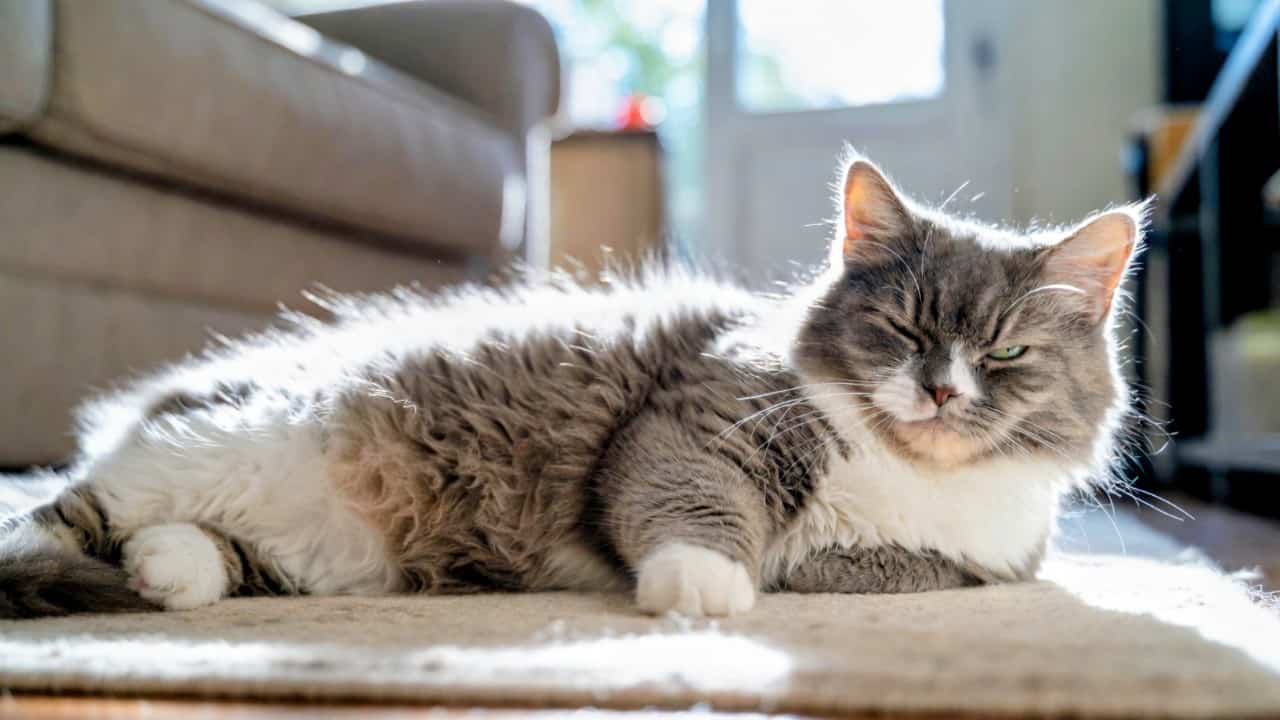
Talking About Happy Cat, As a cat mom, nothing beats seeing my boy sprawled out belly-up like he owns the place. That’s when I know our home really feels safe to him.
Here am sharing my personal experience thoughts with my loving pet fellow’s so please read with your kind interest.As a cat owner for over a decade, I’ve learned that our feline friends thrive in environments where they feel secure and loved. A happy cat isn’t just about endless treats or fancy toys—it’s about spotting those subtle cues that show they’re truly at ease in their home. In my experience, tuning into these safety signs can transform a skittish kitten into a confident companion. Let’s dive into what to look for and how to foster that sense of security.
Decoding Your Cat’s Comfort Cues
Cats communicate more through actions than words, and recognizing when they feel safe is key to building trust. Many cat parents overlook these signals, but once you start noticing them, it’s like unlocking a secret language.
Understanding your cat’s behavior is essential for building a safe and happy home. According to experts at International Cat Care , relaxed body posture, slow blinking, and confident exploration are strong indicators that a cat feels secure in its environment.The Telltale Signs of a Relaxed Posture
Picture this: your tabby sprawls out on the living room rug, belly exposed and paws tucked in. That’s a classic indicator of trust. Why does this happen? Cats are natural predators but also prey in the wild, so exposing their vulnerable underside means they don’t sense any threats nearby. In my home, my senior cat, Whiskers, only does this after I’ve checked all the doors—it’s his way of saying the space feels protected.
Another posture to watch is the slow blink. If your cat gazes at you and closes their eyes leisurely, it’s like a kitty kiss. This stems from evolutionary behavior where direct stares signal aggression, so blinking shows they’re not on guard.
Playful Behaviors That Signal Security
A happy cat often turns everyday objects into adventure zones. For instance, my younger rescue, Luna, loves batting at dangling strings from blinds, but only when she’s in a familiar, quiet room. This playfulness emerges because she feels safe enough to let her guard down—predatory instincts kick in without real fear.
Watch for kneading, too. That rhythmic paw-pushing on blankets mimics nursing from kittenhood, releasing endorphins that promote relaxation. If your adult cat does this frequently, it’s a sign your home mimics the comfort of their early days, free from stressors like loud noises or sudden changes.
RELATED

Building a Hazard-Free Haven
Creating a space where your cat can roam without worry goes hand in hand with spotting those happy signals. It’s not just about removing dangers; it’s understanding how your home’s setup influences their well-being.
Everyday Household Risks to Eliminate
Think about those dangling cords from electronics—they look like fun toys but can lead to strangulation or electrocution. I once had a close call with Whiskers chewing on a phone charger; now, I bundle them up and use pet-proof covers. Vets often advise this because cats’ curiosity drives them to explore, and preventing access reduces anxiety for both you and your pet.
Plants are another sneaky hazard. Lilies, for example, are toxic and can cause kidney failure even from pollen. In my garden apartment days, I switched to cat-safe options like spider plants after consulting my vet. Explaining why: cats nibble greens to aid digestion, but ingesting poisons disrupts their internal balance, leading to distress signals like hiding or lethargy.
Creating a hazard-free living space plays a major role in feline safety and emotional comfort. The American Veterinary Medical Association (AVMA) emphasizes removing household dangers such as toxic plants, loose cords, and unsafe windows to help cats feel protected at home.Vertical Spaces for Confidence Boosts
Cats love heights because it gives them a vantage point to survey their territory, mimicking treetop perches in nature. Installing wall shelves or a tall cat tree can turn a nervous newbie into a bold explorer. Luna was terrified of visitors until I added perches; now she observes from above, purring contentedly. This setup works by tapping into their instinctual need for escape routes, making the home feel like a safe fortress.
- Provide multiple levels: Start low for kittens and build up as they grow.
- Soft landings: Add cushions below to prevent slips, especially for older cats with joint issues.
- Personalize: Place near windows for bird-watching, enhancing mental stimulation without outdoor risks.
Nurturing Emotional Safety
Physical safety is crucial, but emotional security is what truly makes a happy cat shine. Stressors like routine changes or new pets can disrupt this, so paying attention to behavioral shifts is essential.
Recognizing Stress and How to Soothe It
If your cat suddenly starts over-grooming, leaving bald patches, it might signal unease from something like construction noise nearby. Why? Grooming releases calming chemicals, but excessive amounts indicate they’re trying to self-soothe in an insecure environment. In my experience with multiple cats, introducing pheromone diffusers helped— these mimic maternal scents, reducing tension naturally, as recommended by feline behaviorists.
Hiding isn’t always bad; short stints under the bed during thunderstorms show they have a safe spot. But prolonged isolation could mean deeper issues, like pain from an unnoticed injury. Always check with a vet if behaviors persist, as early intervention prevents escalation.
Fostering Bonds Through Daily Routines
Consistency breeds comfort. Feeding at set times and gentle play sessions build predictability, which cats crave. My routine with Whiskers includes evening brushings; he anticipates it, rubbing against my legs in excitement. This ritual strengthens our bond because it associates home with positive, reliable experiences, lowering overall vigilance.
Incorporate interactive toys like laser pointers sparingly—overuse can frustrate them, leading to signs of agitation like tail flicking. Instead, opt for puzzle feeders that engage their hunting skills, promoting mental health and a sense of accomplishment.
Health Checks That Ensure Long-Term Happiness
Regular wellness monitoring ties everything together, catching issues before they undermine your cat’s security.
Subtle Health Signals in Behavior
A happy cat maintains steady eating habits, but sudden disinterest might point to dental pain or digestive woes. Vets explain that cats mask illness due to survival instincts, so weight loss or bad breath warrants a check-up. I learned this the hard way when Luna skipped meals; it turned out to be a minor tooth issue, resolved quickly.
Litter box avoidance is another red flag. If they’re going outside the box, it could be urinary tract problems or dissatisfaction with cleanliness. Keeping it spotless and in a quiet area prevents this, as cats are fastidious and associate soiled spaces with vulnerability.
RELATED
Preventive Care for Peace of Heart and Mind
Annual vet visits aren’t just formalities—they include vaccinations and parasite checks that safeguard against diseases. For indoor cats like mine, this means fewer worries about fleas from occasional outdoor escapes. Experts note that proactive care boosts immunity, allowing cats to focus on play rather than discomfort.
- Monitor weight: Use a baby scale for accuracy with small breeds.
- Dental hygiene: Introduce brushing early to avoid plaque buildup.
- Senior specifics: For cats over 7, add joint supplements after vet approval to maintain mobility.
FAQ: Quick Answers for Cat Lovers
What does “Happy Home, Happy Cat: Safety Signs to Watch” really mean?
What are the clearest signs a cat feels safe at home?
Why is relaxed posture an important safety sign in cats?
Does purring always mean my cat feels safe?
How does play behavior reflect a happy and safe home?
Why do cats knead when they feel comfortable?
Can hiding still be normal in a happy home?
How do vertical spaces improve a cat’s sense of safety?
What household dangers can affect a cat’s feeling of safety?
How does routine help create a happy home for cats?
Can older cats still show new safety signs?
How often should I monitor safety signs in my cat?
Conclusion
At the end this up, remember that a Happy Cat reflects the love you pour into their world. From my years sharing space with Whiskers and Luna, I’ve seen how attentiveness to these safety signs creates unbreakable bonds. Take it one purr at a time, and you’ll both enjoy a harmonious home—it’s rewarding beyond words.I hope you have a great lesson from my personal experience and thoughts.if you have also like these tips about your loving cat doll please share with us in Comment box.