
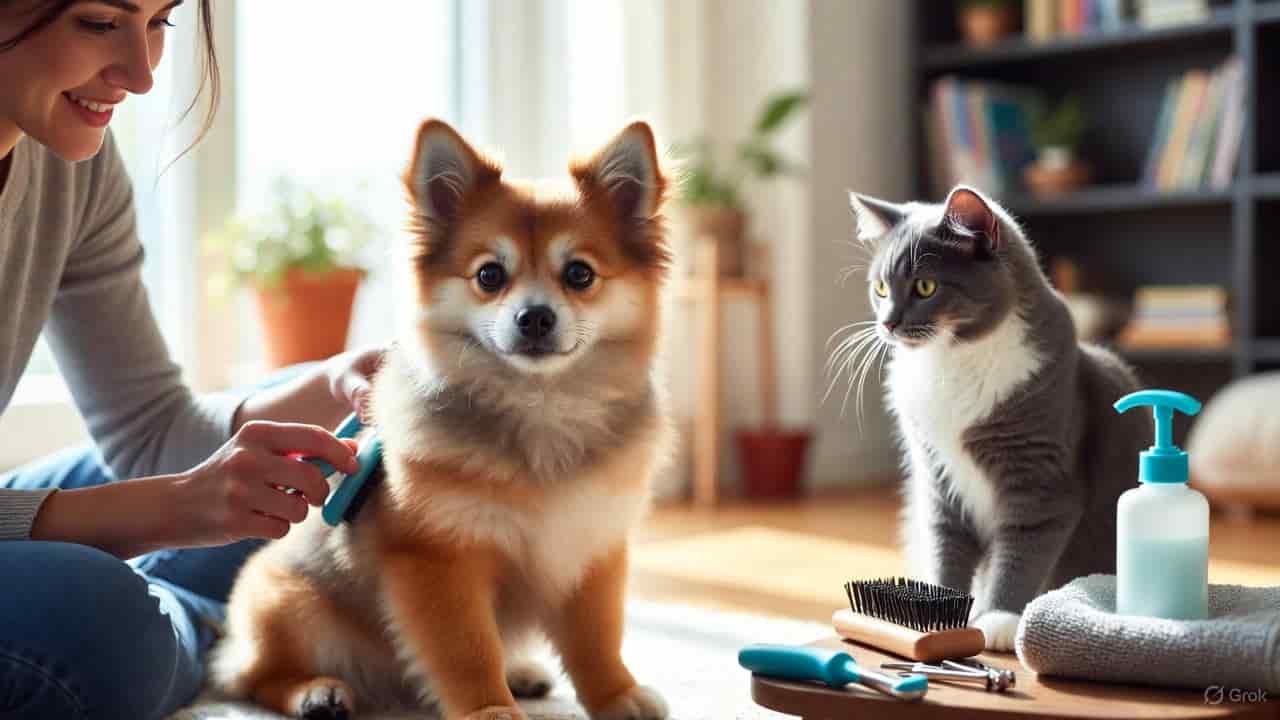
Home Grooming Tips Made Simple: Essentials for Every Pet Household
As a devoted pet owner, you know that keeping your furry friend looking and feeling their best isn’t just about aesthetics—it’s essential for their overall health and happiness. Whether you have a playful puppy, a curious kitten, or even a small animal like a rabbit, home grooming can save you trips to the professional groomer while strengthening the bond between you and your pet. In this comprehensive guide, we’ll dive into the must-have essentials for home grooming, share practical tips, and help you avoid common pitfalls. By the end, you’ll be equipped with the knowledge to make grooming a stress-free routine.
Grooming at home isn’t as daunting as it might seem. With the right tools and techniques, you can handle everything from brushing to nail trimming right in your living room. Plus, regular grooming sessions allow you to spot potential health issues early, such as skin irritations or parasites. If you’re new to this, start small and build confidence over time.
Throughout this article, we’ll focus on key aspects like pet grooming essentials, DIY pet grooming tips, and best pet grooming tools to ensure your setup is both effective and budget-friendly. Let’s get started by exploring why home grooming should be a priority in every pet household.
Why Home Grooming Matters for Your Pet’s Well-Being
First and foremost, home grooming goes beyond making your pet look adorable for those Instagram photos. It’s a vital part of preventive care that can extend your pet’s lifespan and enhance their quality of life. For instance, regular brushing removes dead hair and distributes natural oils, leading to a healthier coat. Moreover, it helps in early detection of lumps, ticks, or fleas that could otherwise go unnoticed.
In today’s busy world, many pet owners opt for professional services, but learning home grooming tips can be empowering. Not only does it save money—professional grooming sessions can cost anywhere from $50 to $100 per visit—but it also reduces stress for pets who might not enjoy car rides or unfamiliar environments.
Additionally, home grooming fosters a deeper connection. As you gently brush or bathe your pet, you’re providing one-on-one attention that reinforces trust. However, it’s important to note that while home grooming is beneficial, it’s not a complete substitute for vet check-ups. Always consult your veterinarian for breed-specific advice or if you notice any unusual symptoms.
To make the most of your efforts, focus on high-volume SEO keywords like “pet grooming at home” and incorporate low-competition ones such as “essential grooming kit for beginners.” This way, you’re not just grooming your pet but also optimizing your routine for long-term success.
Building Your Basic Grooming Kit: Must-Have Tools for Every Pet Owner
Before diving into specific tips, let’s talk about the foundation: your grooming toolkit. Having the right essentials on hand makes the process smoother and more enjoyable for both you and your pet. Start with versatile items that work for most animals, then customize based on your pet’s needs.
A good brush is arguably the most important tool. For dogs with short coats, a rubber curry brush works wonders for removing loose fur and massaging the skin. Long-haired breeds, on the other hand, benefit from a slicker brush to detangle mats without pulling. Cats often prefer a fine-toothed comb or a grooming glove that mimics petting while collecting hair.
Next, invest in quality nail clippers. Scissor-style clippers are ideal for small pets, while guillotine types suit larger dogs. Don’t forget a styptic powder to stop bleeding if you accidentally cut too close to the quick. Ear cleaners and cotton balls are also essentials for preventing infections, especially in floppy-eared breeds like Beagles.
For bathing, a pet-specific shampoo is non-negotiable. Human shampoos can disrupt your pet’s pH balance, leading to dry skin. Opt for hypoallergenic formulas if your pet has sensitivities. Additionally, a non-slip mat for the tub and a handheld sprayer can turn bath time into a breeze.
Other must-haves include dental wipes or a toothbrush kit, eye wipes for tear stains, and a deshedding tool for heavy shedders. Brands like Furminator offer excellent options that reduce shedding by up to 90%. If you’re looking to expand your knowledge, check out our internal guide on best dog brushes for shedding for more recommendations.
By assembling these pet grooming essentials, you’re setting the stage for effective home sessions. Remember, quality over quantity—invest in durable tools that will last.
Grooming Tips for Dogs: From Puppies to Seniors
Dogs come in all shapes and sizes, so tailoring your approach is key. For puppies, start with short, positive sessions to build tolerance. Use treats to associate grooming with rewards, making it a fun activity rather than a chore.
Brushing should be daily for long-haired dogs like Golden Retrievers to prevent mats. Use a detangling spray first, then work in sections from the skin outward. Short-haired breeds, such as Labradors, need weekly brushing to control shedding.
When it comes to nail trimming, aim for every 4-6 weeks. Listen for that telltale clicking on hard floors—it’s a sign they’re too long. Hold the paw firmly but gently, and only clip the tip to avoid the quick. If your dog is anxious, try a nail grinder for a smoother finish.
Bathing frequency depends on the breed. Active dogs might need monthly baths, while others can go longer. Always use lukewarm water and rinse thoroughly to prevent residue buildup. After drying, apply a conditioner for extra shine.
For senior dogs, be extra gentle. Arthritis can make standing difficult, so use supportive mats or groom in short bursts. Focus on areas prone to issues, like the ears and paws.
Incorporating these DIY pet grooming tips can transform your routine. For more breed-specific advice, explore our article on grooming tips for small dogs.
Cat Grooming Essentials: Keeping Your Feline Friend Pristine
Cats are notorious self-groomers, but they still need your help to stay in top shape. Unlike dogs, cats groom themselves multiple times a day, but over-grooming can lead to hairballs or skin problems.
Start with a soft brush or grooming mitt to remove loose fur and reduce shedding. Long-haired cats like Persians require daily brushing to avoid mats, while short-haired ones like Siamese can manage with weekly sessions.
Nail care is crucial—provide scratching posts to naturally file claws, but trim every 2-4 weeks if needed. Use cat-specific clippers and be patient; wrapping your cat in a towel can help if they’re squirmy.
Bathing cats? It’s not always necessary unless they’re dirty or have fleas. If you must, use a cat shampoo and keep the water shallow. Dry them quickly to prevent chills.
Dental health often gets overlooked. Use finger brushes or dental treats to combat plaque. Regular ear checks with a gentle cleaner prevent wax buildup.
These home grooming tips for cats emphasize minimal intervention, respecting their independent nature.
Nail Care Mastery: Tools and Techniques to Avoid Injury
Nail trimming can be intimidating, but with the right essentials, it’s manageable. Overgrown nails can cause pain and alter your pet’s gait, leading to joint issues over time.
Essential tools include sharp clippers, a file or grinder, and styptic powder. For dark nails where the quick is hard to see, clip small amounts and look for a black dot in the center as a guide.
Technique-wise, hold the paw securely and trim at a 45-degree angle. Reward your pet after each nail to build positive associations. If accidents happen, apply pressure with styptic to stop bleeding.
For pets who hate clippers, desensitize them gradually. Start by touching paws daily, then introduce the tool without using it.
Regular nail care is one of the best pet grooming tools in your arsenal. Check our internal post on safe nail trimming for pets for video tutorials.
Ear and Eye Care: Preventing Infections and Irritations
Ears and eyes are sensitive areas that require gentle handling. Dirty ears can lead to infections, especially in breeds with droopy ears.
Use a vet-approved ear cleaner and cotton balls—never Q-tips, as they can push debris deeper. Squeeze solution into the ear, massage, and let your pet shake it out.
For eyes, wipe away discharge with saline-soaked pads. Breeds like Pugs with prominent eyes are prone to tear stains; use specialized wipes.
Regular checks during grooming sessions catch issues early. If you notice redness or odor, see a vet promptly.
These essentials ensure your pet’s sensory health remains optimal.
Dental Hygiene for Pets: Brushes, Pastes, and More
Poor dental health affects up to 80% of pets by age three, Combat this with daily brushing using enzymatic toothpaste and a pet toothbrush.
Alternatives include dental chews or water additives. Focus on back teeth where plaque builds up.
Incorporate dental care into your routine for fresher breath and healthier gums.
Bathing Supplies and Strategies for a Sparkle Clean Pet
Bathing removes dirt and allergens. Essentials: shampoo, conditioner, towels, and a dryer.
Bathe in a warm room, wet from neck down, lather, rinse well. Dry thoroughly to prevent chills.
Frequency: Every 4-12 weeks, depending on lifestyle.
For tips on handling skittish pets, see our bath time guide.
Advanced Grooming Techniques: Beyond the Basics
Once comfortable with basics, try dematting or styling. Use undercoat rakes for double-coated breeds.
Sanitary trims keep areas clean. Always work in good lighting.
Common Grooming Mistakes and How to Fix Them
Avoid rushing—pets sense stress. Don’t over-bathe, as it strips oils.
Use positive reinforcement. If matting occurs, don’t pull; cut carefully.
Breed-Specific Grooming Advice
Poodles need frequent clips; Huskies require deshedding. Research your breed’s needs.
Key Takeaways
- Assemble a basic kit with brushes, clippers, and shampoos for effective home grooming.
- Regular sessions prevent health issues and strengthen bonds.
- Tailor techniques to your pet’s breed and age for best results.
- Avoid common mistakes like over-bathing to keep skin healthy.
- Consult vets for persistent problems.
FAQ
How often should I groom my pet at home?
It depends on the breed. Long-haired pets need daily brushing, while short-haired ones can go weekly. Nail trims every 4-6 weeks.
What if my pet hates grooming?
Start slow with treats and short sessions. Desensitize gradually.
Are human grooming products safe for pets?
No, they can irritate skin. Use pet-specific items.
How do I know if I’m trimming nails correctly?
Clip small amounts; stop if you see pink (the quick).
Can home grooming replace professional services?
It supplements but doesn’t fully replace, especially for complex cuts.