
How to Create a Daily Cat Care Routine That Actually Works
Discover how a realistic daily cat care routine helps your cat stay healthy, calm, and playful—without overwhelming your busy schedule.
If you truly love your pet cat and want to see them healthy, active, and stress-free, this article is for you. As a cat owner who has shared life with three adorable cats over the years, I’ve learned that a successful daily cat care routine isn’t about being perfect—it’s about consistency that fits into real, everyday life.
My oldest cat, Whiskers, was extremely picky and taught me the hard way that skipping meal times leads to bad moods and attitude problems. On the other hand, my two younger cats showed me how regular playtime can prevent those late-night zoomies that turn your house into a racetrack.
In this guide, I’m sharing my personal experiences along with helpful insights I’ve picked up from veterinarians, so you can build a routine that keeps your cat happy and healthy—without making your daily life stressful. This guide is shared for educational purposes, so fellow cat lovers can benefit from practical, real-world advice.
Many cat parents start with big plans, but they often give up because the routine feels too strict. The real secret is flexibility. Adjust your routine based on your cat’s age, personality, and health. For example, my 14-year-old senior cat needs gentle care and calm interaction, while younger cats thrive on high-energy activities. Let’s break everything down into simple, manageable steps.
Why a Daily Routine Is Important for Cats
Cats are creatures of habit. They feel safest and calmest when their day follows a predictable pattern, which aligns with their natural instincts. From my own experience, whenever I ignored routines during busy weeks, my cats would start acting out—knocking things over or meowing excessively.
Cats often do this to get your attention. When they feel ignored or don’t receive enough time and care, they use these behaviors to remind you that they need their share of attention.
A consistent daily routine is widely recommended by animal welfare experts. According to the ASPCA’s guide on general cat care, structured feeding times, clean litter boxes, and daily interaction help reduce stress and support long-term feline health.
According to veterinarians, this kind of uncertainty can cause stress, which may lead to issues like urinary problems or excessive grooming. A solid daily routine reduces anxiety, improves physical health, and strengthens the bond between you and your cat.
How to Get Started: Understand Your Cat’s Needs
Before creating a routine, spend about a week observing your cat. Pay attention to their energy levels, eating habits, and litter box behavior. My tabby prefers wet food in the morning and dry food at night—ignoring this led to wasted food and frustration.
If your cat has a medical condition like diabetes, consulting a veterinarian is essential, as feeding times can directly affect blood sugar levels.
- Age matters: Kittens usually need 3–4 meals a day, while adult cats do well with two.
- Watch their health: Lethargy or unusual behavior can be an early sign of illness.
- Match your lifestyle: Morning people can handle early tasks, while night owls can focus on evening care.
Veterinary professionals emphasize that observing daily habits is key to early problem detection. The Cornell Feline Health Center explains that changes in eating, grooming, or litter box behavior are often the first signs of underlying health issues in cats.
Morning: Fresh Food and Clean Water
Starting the day right is important for both you and your cat. As soon as I wake up, I refresh their food and water bowls. Cats have a strong sense of smell, so stale food or water can turn them off and may lead to dehydration, which can cause kidney problems over time.
I usually serve wet food for breakfast, and for picky eaters, I add a little warm water to increase hydration.
- Feed high-quality, age-appropriate food
- Place water bowls in multiple locations
- Monitor portions to prevent weight gain
Litter Box: Daily Cleaning Is a Must
No one enjoys this chore, but daily scooping is essential. A dirty litter box can stress your cat and may cause them to urinate on carpets or furniture—I’ve experienced this firsthand.
- Use unscented, clumping litter
- Place the box in a quiet, private area
- Deep clean the litter box once a week
Playtime: 10–15 Minutes of Activity
Daily playtime is crucial. When I skipped it, my cats started damaging furniture. Play satisfies a cat’s hunting instincts and helps prevent obesity.
- Use feather wands or laser toys
- Choose play styles based on age
- A tired cat sleeps peacefully
RELATED

Grooming: Brush as Needed
Not every cat needs daily brushing, but regular grooming prevents hair mats and skin issues. My long-haired cat needs extra attention.
- Brush in the direction of hair growth
- Trim nails once a month
- Bathe only when necessary or seasonally, depending on weather conditions
Evening: Dinner and Clean Bowls
Evening meals signal bedtime for cats. I usually serve dry food at night and always clean bowls to prevent bacteria buildup.
- Adjust portions based on activity level
- Add broth to increase hydration
- Puzzle feeders work well for slow eaters
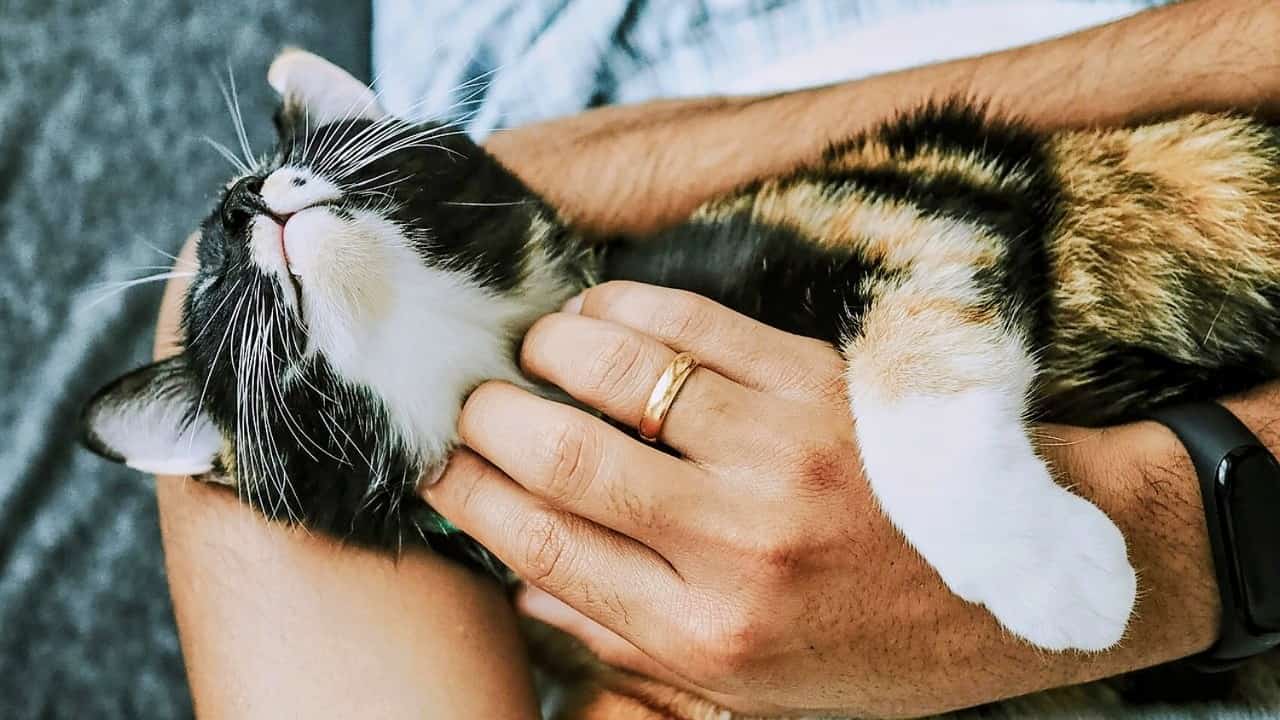
Strengthening the Bond: Cuddles or Quiet Time
Gentle attention at the end of the day is extremely important. My shy rescue cat became much more confident with consistent affection.
- Never force interaction
- Let your cat come to you
- Give equal attention in multi-cat homes
- Let your cat sleep on the bed if they want—don’t push them away, as it can cause emotional distance
Frequently Asked Questions (FAQ)
A daily cat care routine works best when it includes consistent feeding, playtime, litter cleaning, grooming, and bonding.
Daily routines reduce stress, improve health, and help cats feel safe through predictable care.
Adult cats usually need two meals per day, while kittens may require three to four meals.
Most cats need 10–15 minutes of active play daily to stay healthy and mentally stimulated.
Yes, routines help prevent boredom and anxiety, which often cause scratching and excessive meowing.
RELATED

Final Thoughts About Cat Daily Routine.
Remember: by Creating a daily cat care routine has made my life calmer and far more enjoyable. It’s not about strict rules—it’s about adapting to your cat’s needs and staying consistent. Stick with it, and you’ll notice the difference: a healthier, happier cat who loves you just as much as you love them.Give more attention as usual if you want result quickly.