How to Take Care of a Kitten (0–6 Months): Feeding, Vaccines & Training Guide
Caring for a kitten? Get a clear 0–6 month plan covering nutrition, vaccines, and behavior training.Bringing home a tiny kitten is exciting — and slightly terrifying.
One day they fit in your palm, the next they’re sprinting across the room at 2 a.m. As a cat owner, I still remember staring at my first kitten thinking, “Am I doing this right?”
The truth is, the care of a kitten during the first six months shapes their health, behavior, and personality for life.
In this detailed guide, I’ll walk you through everything I’ve learned — feeding schedules, vaccination timelines, litter training, socialization, and common mistakes new owners make.
0–4 Weeks: Newborn Kitten Care Basics
If your kitten is under 4 weeks old, this stage is fragile and critical.
Feeding: Mother’s Milk or Formula Only
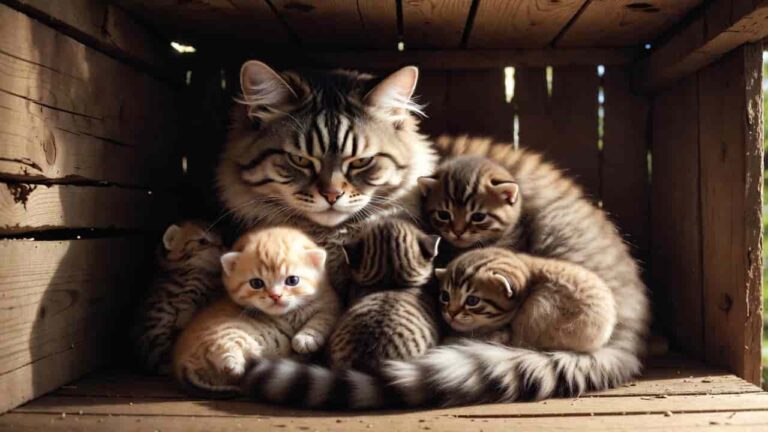
Newborn kittens should nurse from their mother every 2–3 hours.
If orphaned, you’ll need kitten milk replacer (KMR) — never cow’s milk. I learned this the hard way years ago when a friend tried regular milk and the kitten developed diarrhea within hours.
Basic newborn kitten feeding schedule:
- 0–1 week: every 2–3 hours
- 1–2 weeks: every 3–4 hours
- 2–3 weeks: every 4 hours
- 3–4 weeks: start introducing soft gruel
Warm the formula slightly. Test it on your wrist like baby formula.
Keeping Kittens Warm
Newborn kittens cannot regulate body temperature.
Keep them:
- In a soft box or carrier
- With blankets
- Using a heating pad (low setting, wrapped in cloth)
Room temperature should be around 85–90°F (29–32°C) in the first week.
Many pet parents notice kittens cry excessively when they’re cold — it’s usually temperature, not hunger.
Helping Them Use the Bathroom
Mother cats stimulate urination and bowel movements by licking.
If orphaned:
- Use a warm, damp cotton ball
- Gently rub the genital area after feeding
- Do this until 3–4 weeks old
This is a small but critical part of newborn kitten care.
First Vet Visit
Even if everything seems fine, schedule a vet check ASAP.
Parasites are common in young kittens. Early deworming can prevent serious complications.
4–8 Weeks: Transition & Litter Training Stage
This is when kittens start acting like… tiny chaos machines.
They wobble, explore, chew everything, and test boundaries.
Weaning & Kitten Feeding Schedule
Around 4 weeks, start transitioning to soft kitten food.
Mix:
- Wet kitten food
- Warm water or formula
By 8 weeks, most kittens eat solid kitten food.
Feeding frequency:
- 4–6 weeks: 4 small meals daily
- 6–8 weeks: 3–4 meals daily
In my experience, shallow dishes work better — kittens dislike deep bowls pressing against their whiskers.
Litter Training a Kitten
Good news: most kittens learn quickly.
Steps:
- Use a small, low-sided litter box
- Place kitten inside after meals
- Gently scratch litter with their paw
Avoid scented litter initially.
Many pet parents notice accidents happen near corners — place a box there temporarily if needed.
Patience works better than punishment.
6–8 Weeks: First Vaccines & Social Development
This is when the kitten vaccination schedule begins.
Core Vaccines
Typically at 6–8 weeks:
- FVRCP (Feline viral rhinotracheitis, calicivirus, panleukopenia)
Your vet may also discuss:
- FeLV (Feline leukemia virus)
Booster shots follow every 3–4 weeks until about 16 weeks old.
Skipping vaccines can expose kittens to serious, sometimes fatal diseases.
Socialization Window
This stage shapes personality.
Expose your kitten gently to:
- Different sounds
- New people
- Light handling
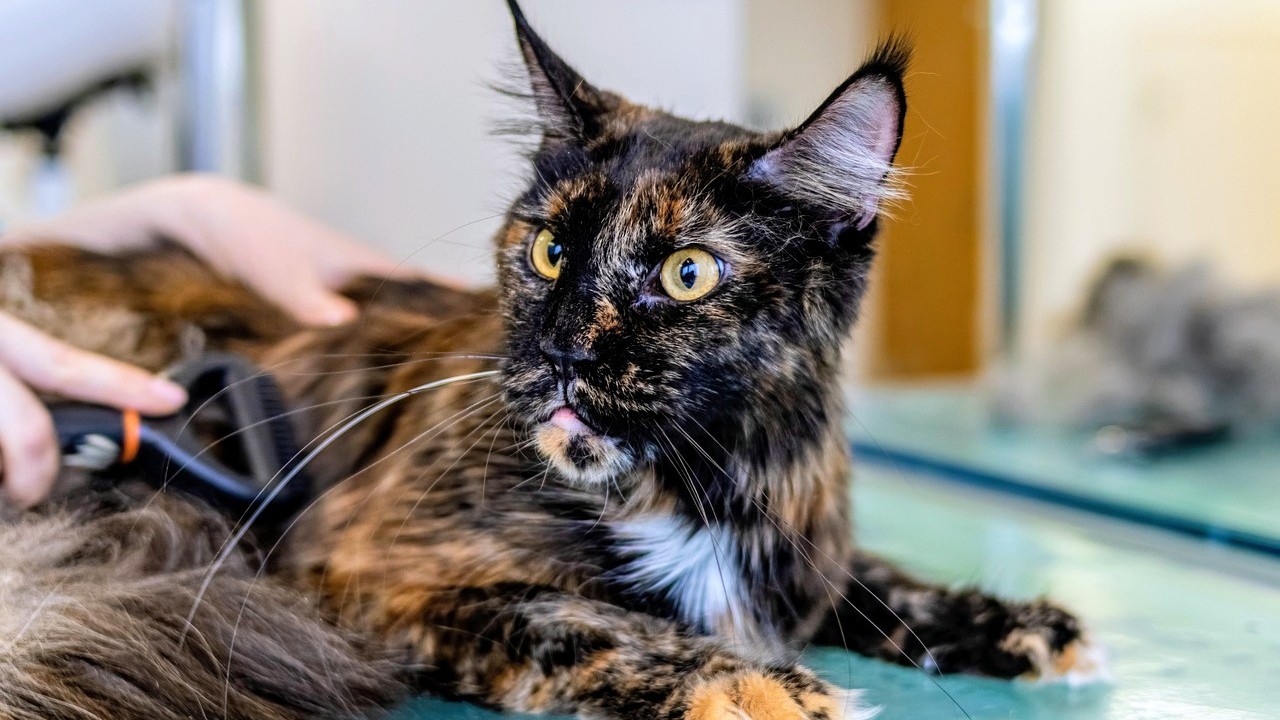
- Soft grooming
As a cat owner, I’ve seen shy kittens become confident adults simply because they were handled gently during this window.
8–12 Weeks: Active Kitten Phase
Now the real energy kicks in.
They climb curtains. They attack shoelaces. They zoom across the house at midnight.
Full Kitten Diet
By 8–10 weeks:
- High-quality kitten food only
- Rich in protein (at least 30%)
- DHA for brain development
Avoid:
- Dog food
- Adult cat food
- Raw food unless vet-approved
Feed 3 meals daily.
Fresh water should always be available.
Booster Vaccines
Continue booster shots every 3–4 weeks.
This part of the care of a kitten is non-negotiable.
Missing boosters weakens immunity.
Kitten-Proof Your Home
Think like a toddler parent.
Remove:
- Small swallowable objects
- Toxic plants
- Loose cords
Secure:
- Windows
- Balcony spaces
Kittens are curious climbers.
3–6 Months: Adolescent Growth Stage
This phase surprises many new owners.
Your cute fluff ball becomes bold and independent.
Training & Boundaries
Now is the time to:
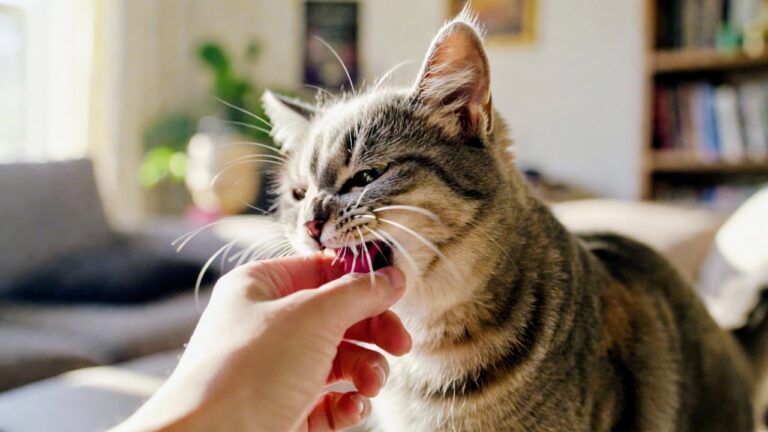
- Stop biting behavior
- Discourage scratching furniture
- Reinforce litter habits
Use:
- Redirecting to toys
- Scratching posts
- Positive reinforcement
Never yell or hit. It creates fear.
In my experience, consistency matters more than volume.
When to Spay or Neuter a Kitten
Most vets recommend:
- Around 4–6 months old
Benefits:
- Prevents unwanted litters
- Reduces spraying
- Lowers cancer risks
- Reduces roaming behavior
Waiting too long can lead to behavioral challenges.
Energy & Play Needs
Kittens at this age need:
- 20–30 minutes of interactive play daily
- Wand toys
- Climbing towers
- Puzzle feeders
Play prevents destructive boredom.
Complete Kitten Care Checklist (0–6 Months)
Here’s a simple kitten care checklist:
Essentials:
- Small litter box
- Clumping or non-scented litter
- Kitten food (wet & dry)
- Shallow bowls
- Soft bedding
- Scratching post
- Safe toys
- Carrier
Health:
- Deworming
- Vaccines
- Flea prevention
- Vet check-ups
Training:
- Litter box introduction
- Gentle handling
- Bite redirection
- Nail trimming practice
Common Mistakes in the Care of a Kitten
Even experienced owners slip up.
Overfeeding
Chubby kittens may look cute, but obesity starts early.
Follow portion guidelines.
Skipping Vaccines
Indoor cats still need protection.
Using Harsh Discipline
Fear damages trust permanently.
Ignoring Socialization
Poorly socialized kittens often grow into anxious cats.
Frequently Asked Questions
How often should I feed a 2-month-old kitten?
Three to four small meals per day. Their stomachs are tiny but energy needs are high.
When should kittens start using a litter box?
Usually around 3–4 weeks. By 8 weeks, most use it reliably.
Can I bathe my kitten?
Only if necessary. Use warm water and kitten-safe shampoo. Most kittens groom themselves well.
When do kittens calm down?
Energy peaks around 4–6 months. Most settle after 1 year, though some stay playful longer.
Do indoor kittens still need vaccines?
Yes. Viruses can enter through shoes, clothing, or visitors.
A Final Word From One Cat Owner to Another
The first six months fly by.
One week they’re wobbling across the floor. A few months later they’re leaping onto countertops with confidence.The care of a kitten isn’t about perfection. It’s about consistency, patience, and paying attention to small details — fresh water, gentle handling, regular vet visits, and daily play.If you focus on health, nutrition, and kindness, you’ll raise not just a healthy cat… but a confident, loving companion.
And trust me — those midnight zoomies?
One day you’ll miss them.If you have also like these kitten care tips please share with us in comment box please.