
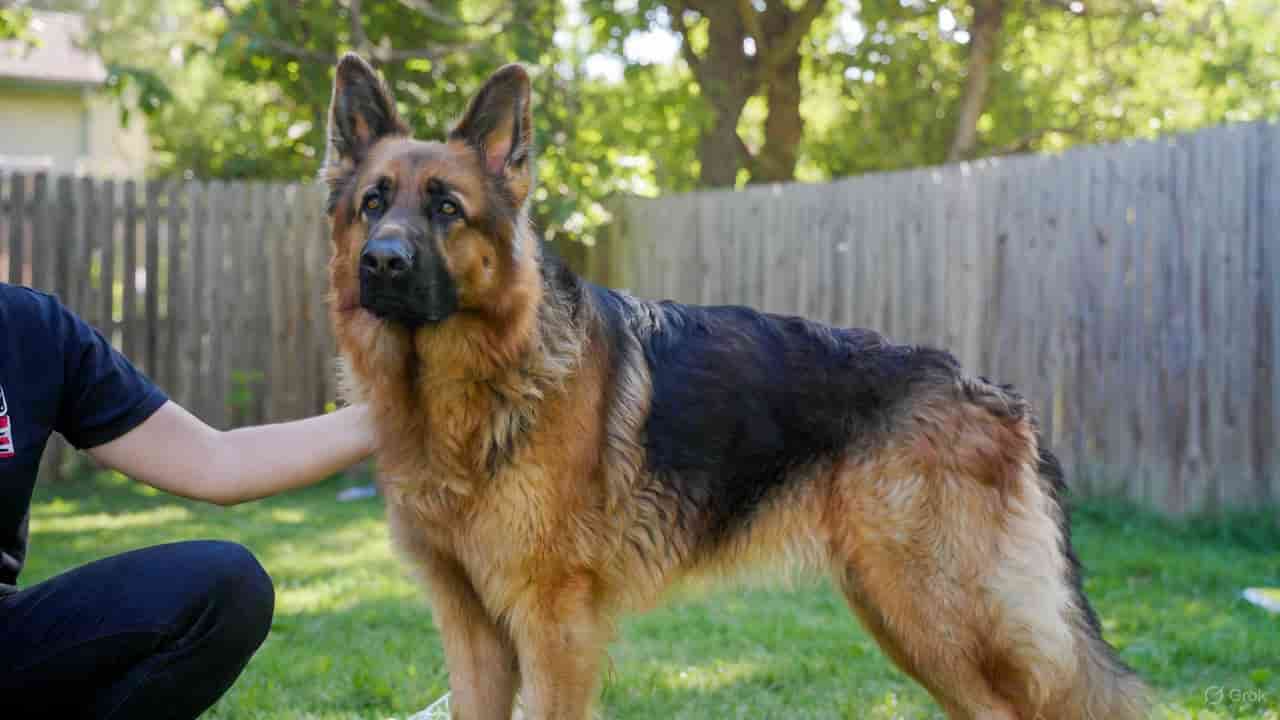
How to Train a Protective Dog – Beginner Guide (Complete Guide)
In today’s fast-paced world, many families want a loyal companion who also provides natural protection. Whether you live in a busy city, a suburban neighborhood, or a farmhouse with open land, having a protective dog offers priceless peace of mind. However, protection does not mean aggression. A well-trained protective dog stays calm, confident, alert, and obedient—even in stressful situations.
This complete beginner guide will walk you through every step of how to train a protective dog safely and responsibly. From selecting the right breed to teaching obedience, socialization, boundary training, and controlled protective behaviors—this guide covers everything you need.
Before diving in, remember one essential truth:
A good protective dog is first a good family dog.
Training always starts with trust, communication, and consistency.
Table of Contents
- What Makes a Dog Protective?
- Choosing the Right Dog for Protection Training
- Understanding Your Dog’s Natural Instincts
- Step-by-Step Guide to Train a Protective Dog
- Step 1: Build a Strong Bond
- Step 2: Teach Basic Obedience Commands
- Step 3: Socialization for Controlled Behavior
- Step 4: Confidence-Building Exercises
- Step 5: Boundary and Territory Training
- Step 6: Alert Training (NOT Aggression)
- Step 7: Controlled Barking Training
- Step 8: Handler Protection Training
- Mistakes to Avoid When Training a Protective Dog
- Best Breeds for Protection Training
- Safety Guidelines for You, Your Dog, and Others
- Key Takeaways
- FAQ Section
1. What Makes a Dog Protective?
A protective dog is alert, loyal, and naturally aware of their surroundings. Contrary to the misconception, a protective dog is not aggressive. Instead, they respond appropriately when they sense danger.
Traits of a good protective dog:
- Confidence – calmly handles new environments
- Intelligence – responds quickly to commands
- Loyalty – bonds deeply with the owner
- Courage – doesn’t panic under pressure
- Awareness – observes movements, sounds, and activity
Many common family breeds—like German Shepherds, Rottweilers, Belgian Malinois, and Dobermans—naturally display these traits.
However, every dog is unique. Even mixed-breeds can excel at protection training when trained properly.
2. Choosing the Right Dog for Protection Training
Some breeds are naturally better suited for guard and protection training. But choosing a dog based on personality, temperament, and health is even more important.
- best dog breeds for protection training
- protective dog breeds for beginners
- easy-to-train guard dogs
Top Qualities to Look For
- Balanced temperament
- Trainability
- Good physical health
- Strong bond with the owner
- Natural protective instincts
Top 7 Protective Dog Breeds (Beginner Friendly)
- German Shepherd – smart, obedient, reliable
- Rottweiler – loyal, strong, confident
- Doberman Pinscher – fast, alert, intelligent
- Boxer – playful but protective
- Bullmastiff – calm but fearless
- Belgian Malinois – top-tier working dog
- Giant Schnauzer – natural guard instincts
3. Understanding Your Dog’s Natural Instincts
Before training your dog to be protective, you must understand how dogs think.
Dogs Protect Based On:
- Territory (home, garden, surroundings)
- Pack (family members)
- Resources (food, owner’s attention)
Your goal is to help your dog learn when to protect and when to stay calm.
Training without understanding instincts can lead to unwanted aggression, fearfulness, or dangerous behaviors.
4. Step-by-Step Guide: How to Train a Protective Dog (Beginner Friendly)
This training process is designed specifically for beginners. Follow each step carefully and avoid rushing.
Step 1: Build a Strong Bond (The Foundation of Protection Training)
A dog will only protect someone they trust deeply.
How to build a strong bond:
- Spend daily quality time
- Practice feeding routines
- Play interactive games
- Use gentle touch and praise
- Maintain consistent behavior
Bonding Activities:
- Tug-of-war (control exercise)
- Fetch (focus building)
- Walks in new environments
- Obedience practice
A strong relationship ensures your dog understands who they are protecting.
Step 2: Teach Basic Obedience Commands (Essential)
Before you teach protective skills, your dog must master obedience.
Basic Commands Required:
- Sit
- Stay
- Come
- Heel
- Leave it
- Down
Use positive reinforcement such as treats, praise, toys, or clicker training.
Without obedience, protection training becomes dangerous.
Step 3: Socialization for Stable Behavior
A protective dog must learn to distinguish between normal and threatening situations.
Socialization includes exposure to:
- Children
- Strangers
- Traffic
- Loud sounds
- Other animals
- Public places
Socialization prevents fear-based aggression and builds confidence.
Step 4: Confidence-Building Exercises
A confident dog acts with control—not panic.
Exercises to Improve Confidence:
- Agility training (tunnels, jumps, ramps)
- Walking on different surfaces
- Obstacle courses
- Night-time walks
- Scent games
These simple activities strengthen mental stability.
Step 5: Boundary & Territory Training
Your dog must know the difference between home territory and public space.
Territory training steps:
- Walk your dog around your house/property daily
- Use commands like “Watch” or “Guard”
- Reward calm alertness—not barking
- Prevent lunging at fences or windows
- Teach the difference between friend and stranger
Never encourage aggression.
Encourage awareness instead.
Step 6: Alert Training (Controlled Protection)
This teaches the dog to alert you to suspicious activity.
Steps:
- Create a mild distraction (knocking sound, moving object)
- Wait for your dog to notice
- Use the command:
“Watch!” or “Alert!” - Reward with praise for attentive behavior
- Teach them to stop when you say “Enough!”
The goal is not barking at everything.
The goal is focused awareness.
Step 7: Controlled Barking Training
A protective dog should bark on command, not randomly.
Teach Bark on Command:
- Use a trigger (door knock)
- Say “Speak!”
- Reward the bark
Teach Quiet on Command:
- Say “Quiet!”
- Reward silence
This is extremely important for home safety and peace
Related 👉
Step 8: Handler Protection Training (Advanced)
Handler protection is when the dog positions itself between you and a threat.
Training Steps:
- Walk with your dog on your left side
- Have a helper approach slowly
- Say “Stand guard!”
- Let the dog stand in front of you
- Reward calm protective posture
- End with “Relax!”
Do NOT teach direct aggression unless trained by a professional K9 trainer.
5. Mistakes to Avoid When Training a Protective Dog
Many beginners accidentally create aggressive or fearful dogs by making these mistakes:
❌ Encouraging barking at strangers
❌ Punishing excessively
❌ Skipping obedience training
❌ Lack of socialization
❌ Not setting boundaries
❌ Improper leash control
❌ Teaching protection too early
❌ Allowing rough play with strangers
Avoiding these mistakes ensures your dog becomes protective, not dangerous.
6. Best Breeds for Protection Training (Detailed Comparison)
1. German Shepherd
- Highly intelligent
- Excellent obedience
- Ideal for families
- Great with kids
2. Rottweiler
- Confident and fearless
- Strong guarding instincts
- Needs firm training
3. Belgian Malinois
- Elite working breed
- Extremely high energy
- Best with active owners
4. Doberman Pinscher
- Loyal and elegant
- Fast responders
- Very alert
5. Bullmastiff
- Calm but powerful
- Amazing home protector
- Minimal barking
6. Cane Corso
- Strong guarding instinct
- Needs experienced handlers
7. Boxer
- Friendly but protective
- Good for families
7. Safety Guidelines for Protection Training
Training a protective dog requires responsibility.
Important Safety Rules:
- Always keep dogs on leash during early training
- Never encourage aggression
- Teach children how to interact with your dog
- Keep vaccinations updated
- Ensure your dog gets enough exercise
- Supervise playtime with strangers
Your dog must always feel secure, not stressed.
Fear Free Pets – Reducing Fear & Anxiety During Training
The Kennel Club UK – Dog Training & Discipline
https://www.thekennelclub.org.uk/dog-training
VCA Hospitals – Dog Obedience Training Basics
https://vcahospitals.com/know-your-pet/dog-training-basics
8. KEY TAKEAWAYS
Key Takeaways: How to Train a Protective Dog (Beginner Guide)
- Start with strong bonding and trust-building
- Teach essential obedience commands early
- Socialize your dog to avoid fear or aggression
- Use confidence-building exercises regularly
- Train alertness—not aggression
- Teach controlled barking and boundary awareness
- Use protective commands gently and safely
- Avoid punishment-based or fear-based methods
- Seek professional help for advanced protection training
9. FAQ SECTION
1. Can any dog be trained to be protective?
Yes, most dogs can learn protective behaviors, but some breeds are naturally better suited.
2. At what age should protection training start?
Basic obedience can start at 8 weeks. Protection training is best after 12–18 months.
3. Is protective dog training dangerous?
Not if done correctly. Avoid teaching aggression without professional guidance.
4. How long does it take to train a protective dog?
Usually 6–12 months, depending on consistency and breed.
5. Can a friendly dog still be a protective dog?
Absolutely. Protective dogs should be friendly and balanced, not aggressive.
6. Do I need a professional trainer?
For advanced protection work, yes. For basic alertness training, you can do it yourself.