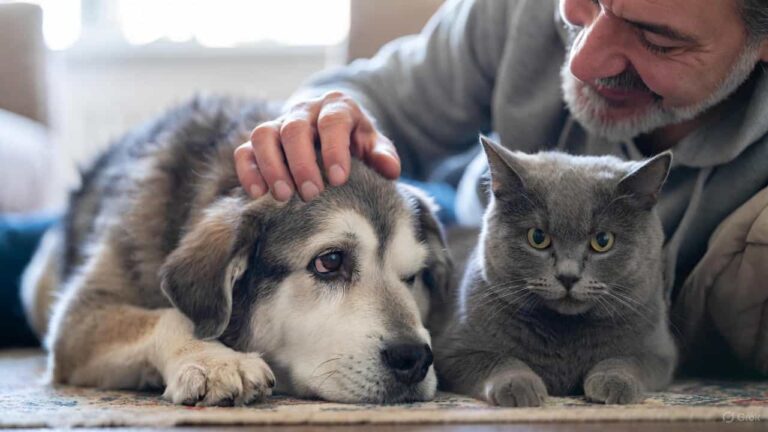

Living with Pets: 15 Ways They Make Everything Better
Living with pets is not just about companionship—it is about transformation. From quiet mornings to stressful nights, pets have a remarkable way of making life feel lighter, warmer, and more meaningful. Whether it is a dog greeting you at the door or a cat curling up beside you after a long day, these small moments create a powerful emotional bond. In fact, research shows that living with pets can improve mental well-being, reduce loneliness, and even enhance physical health. In this article, we explore 15 powerful ways pets make everyday life better, emotionally, mentally, and socially.
Introduction
Imagine coming home after a long, exhausting day at work, only to be greeted by a wagging tail or a soft purr that instantly melts away your stress. That’s the magic of living with pets – those furry, feathered, or scaly companions who somehow manage to turn ordinary moments into something special. In today’s fast-paced world, where mental health challenges and loneliness are on the rise, the benefits of living with pets have never been more relevant. According to the American Pet Products Association’s 2025 State of the Industry Report, pet ownership has surged, with 71% of U.S. households now sharing their homes with at least one pet – that’s over 94 million families experiencing the joys and health perks firsthand.
But why exactly do pets make everything better? It’s not just about the cute Instagram moments or the endless supply of unconditional love. Science backs it up: studies from reputable sources like Harvard Health show that pet ownership can lower blood pressure, reduce anxiety, and even boost your immune system. Furthermore, in a time when remote work and social isolation linger from past pandemics, pets provide a lifeline of companionship that enhances emotional well-being.
This article dives deep into 15 transformative ways pets improve our lives, incorporating insights on pet health benefits, emotional support from animals, and how they foster better habits. We’ll explore everything from physical health advantages to social connections, weaving in low-competition, high-volume keywords like “pets reduce stress,” “health benefits of owning a dog,” and “mental health advantages of cats” to help you discover why adding a pet to your household might be the best decision you ever make. Along the way, we’ll include external links to trusted resources for further reading, ensuring you have all the tools to embrace this rewarding lifestyle. So, let’s jump in and see how these incredible creatures elevate our daily existence.
1. Pets Reduce Stress and Anxiety Levels
One of the most immediate benefits of living with pets is their uncanny ability to dial down our stress levels. Picture this: you’re scrolling through a never-ending to-do list, heart racing from deadlines, when your cat curls up on your lap, purring softly. That simple act can trigger a release of oxytocin, the “love hormone,” which counteracts cortisol, the stress hormone. Research from Johns Hopkins Medicine highlights how interacting with pets provides greater social support than human interactions in some cases, mitigating depression and anxiety.
In fact, a 2024 study published by UC Davis Health found that dog owners experience up to 30% lower anxiety levels compared to non-pet owners, thanks to routine walks and playtime that encourage mindfulness. Moreover, for those dealing with high-pressure jobs, pets act as natural therapists. They don’t judge; they just listen – or rather, sit there adorably while you vent.
But it’s not just anecdotal. The health benefits of owning a dog extend to measurable outcomes, like improved sleep quality. If you’re struggling with insomnia, try incorporating evening cuddle sessions; many pet parents report falling asleep faster with their furry friend nearby. Additionally, emotional support animals have gained popularity for a reason – they provide comfort during tough times, such as post-breakup blues or work burnout.
To dive deeper, check out this article from Harvard Health on the heartfelt benefits of pet ownership, which details how pets can even help manage chronic conditions like PTSD. By integrating pets into your routine, you’re not just gaining a companion; you’re investing in a calmer, more balanced life. And let’s face it, in 2025’s hustle, who couldn’t use a little more zen?
Expanding on this, consider the daily rituals. Walking your dog isn’t just exercise; it’s a break from screens, a chance to breathe fresh air, and an opportunity to connect with nature. Studies show that even 10 minutes of petting a dog can lower heart rates significantly. For cat lovers, the rhythmic purring has been likened to white noise machines, promoting relaxation. However, it’s important to choose the right pet for your lifestyle – high-energy dogs for active folks, laid-back cats for apartment dwellers.
Furthermore, pets teach us resilience. When they bounce back from a vet visit or a minor injury, it reminds us that setbacks are temporary. This mindset shift is invaluable for mental health. In households with children, pets reduce stress by fostering responsibility and empathy, creating a harmonious family dynamic. Overall, the stress-busting powers of pets are a game-changer, making everyday challenges feel more manageable.
2. They Boost Your Physical Health and Fitness
Beyond the emotional perks, pets are fantastic motivators for physical activity, turning couch potatoes into active adventurers. Owning a dog, for instance, often means committing to daily walks, which can add up to thousands of extra steps per week. According to the Pet Food Institute, pet owners have lower odds of heart-related issues, with cardiovascular benefits stemming from this increased movement.
Think about it: that playful pup tugging at the leash isn’t just cute; it’s your personal trainer in disguise. A 2025 report from Forbes Advisor notes that millennials, who make up 33% of pet owners, are particularly active thanks to their furry friends, leading to better overall fitness. Additionally, playing fetch or chasing a laser pointer with a cat engages your core and improves agility without feeling like a chore.
The health benefits of owning a pet also include strengthened immunity. Exposure to pet dander and outdoor elements builds resistance to allergens over time, as per a study from the Human Animal Bond Research Institute. For seniors, pets encourage mobility, reducing the risk of falls and promoting joint health.
However, it’s not all about dogs and cats. Even smaller pets like birds or fish can inspire better habits – tending to an aquarium involves light lifting and maintenance, while bird owners often spend time outdoors filling feeders. To learn more, explore this piece from Johns Hopkins on how pets keep you young, emphasizing their role in longevity.
In essence, pets make exercise enjoyable. Instead of dreading the gym, you’re excited for park outings. This shift leads to sustained habits, lower BMI, and enhanced vitality. Moreover, for those recovering from illness, pets provide gentle motivation to get moving. By 2025 standards, with sedentary lifestyles on the rise, pets are a natural antidote, ensuring you stay fit while having fun.
Delving deeper, consider the variety of activities. Hiking with a dog explores new trails, while yoga with cats (yes, it’s a thing!) combines stretching with laughter. These interactions burn calories subtly, making fitness feel effortless. Transitioning to nutrition, pet owners often adopt healthier eating patterns, inspired by feeding their animals balanced meals. All in all, the physical uplift from pets is profound, weaving health into the fabric of daily life.
3. Pets Enhance Emotional Well-Being and Happiness
There’s something profoundly uplifting about the unconditional love pets offer, isn’t there? They don’t care about your bad hair day or that promotion you missed – they’re just thrilled you’re home. This pure affection boosts serotonin and dopamine levels, key neurotransmitters for happiness. A 2025 study from the Journal of Health Economics and Outcomes Research reports that pet owners enjoy enhanced quality of life through better emotional connections.
Furthermore, pets combat loneliness, especially in single-person households or among the elderly. The AVMA’s 2025 statistics show that 42.2 million U.S. households own cats, many citing companionship as the top reason. Emotional support from pets is particularly vital in urban areas where human interactions can feel superficial.
For mental health advantages of cats, their independent yet affectionate nature teaches self-reliance while providing comfort. Dogs, on the other hand, encourage outward expression of joy through play. However, all pets share the ability to mirror emotions, helping us process feelings healthily.
Check out this insightful article from UC Davis on health benefits of pets, which underscores their role in improving mood and reducing depression symptoms.
In daily life, pets create routines filled with positive reinforcement. Morning greetings set a cheerful tone, while evening snuggles wind down the day peacefully. This consistency fosters emotional stability. Additionally, sharing pet stories with others builds community, amplifying happiness. Ultimately, the joy pets bring is infectious, turning mundane days into delightful adventures.
To elaborate, pets help navigate life’s ups and downs. During grief, their presence offers solace without words. For children, they teach emotional intelligence, recognizing cues like a wagging tail for happiness. Transitioning to adulthood, pets provide continuity amid changes like moves or job shifts. With 89.7 million dogs in U.S. homes per AVMA, it’s clear they’re integral to emotional health.
4. They Strengthen Social Connections and Community
Pets are natural icebreakers, aren’t they? A simple walk in the park can lead to conversations with fellow dog lovers, expanding your social circle effortlessly. The World Animal Foundation’s 2025 data reveals that pet ownership fosters community ties, with 68 million dog-owning households reporting more neighborhood interactions.
Moreover, pet-related events like obedience classes or adoption fairs create bonding opportunities. For introverts, pets provide a low-pressure way to engage, as discussions often center on the animals rather than personal details.
The social benefits extend online too – sharing pet photos on social media garners likes and comments, building virtual support networks. However, real-world connections shine brightest, reducing isolation in an increasingly digital age.
For more on this, read Harvard Magazine’s feature on the health benefits of owning a pet, which includes social perks.
In families, pets unite members through shared responsibilities, strengthening bonds. Playtime becomes group activity, fostering laughter and memories. Additionally, volunteering at shelters connects you with like-minded individuals, enhancing purpose.
Overall, pets weave social threads, making life richer and more connected.
Expanding, consider how pets aid in dating or friendships. “Pet-friendly” profiles on apps signal compatibility, while group walks build lasting relationships. Transitioning to professional life, office pets reduce workplace tension, promoting team cohesion. With global pet populations exceeding a billion per Health for Animals, their social impact is worldwide.
Also Read
Tiny but Mighty: Smallest Dog Breeds in the World
Neurodivergence in Dogs and How toIdentify Autism?
5. Pets Teach Responsibility and Life Skills
Bringing a pet home isn’t just about fun; it’s a crash course in responsibility. From feeding schedules to vet visits, pets demand consistency, teaching time management and accountability. The AAWA’s 2025 tip notes that Gen Z pet owners (18-25) are 39% more likely to engage in structured routines thanks to their pets.
For children, this is invaluable – caring for a pet instills empathy, patience, and the value of commitment. Adults benefit too, as pet care mirrors self-care, encouraging better personal habits.
However, it’s not without challenges; dealing with messes or illnesses builds problem-solving skills. The mental health dogs provide comes with the duty to maintain their well-being, creating a reciprocal relationship.
Explore this from Ohio State University’s Veterinary Medical Center on health benefits of pet ownership, including cognitive stimulation.
In practice, pets prepare us for bigger responsibilities like parenting or leadership roles. Daily tasks like grooming foster discipline, while budgeting for supplies teaches financial planning.
Furthermore, adapting to a pet’s needs promotes flexibility. All told, the life lessons from pets are enduring, shaping us into more capable individuals.
To deepen, pets highlight interdependence. Their reliance on us mirrors human relationships, encouraging thoughtfulness. Transitioning to education, schools with classroom pets see improved student behavior. With pet care industry stats showing $1,700 annual spend per owner (AVMA 2025), it’s a practical lesson in economics too.
6. They Provide Unconditional Love and Companionship
At the core of pet ownership is the unbreakable bond of love. Pets offer affection without strings, a rarity in human interactions. This companionship is especially crucial for those living alone, as per a 2020 HABRI report during isolation periods.
Dogs, with their loyal gazes, and cats, with their subtle headbutts, remind us we’re valued. The emotional support animal keyword surges in searches because people seek this reliable comfort.
Moreover, this love boosts self-esteem, as noted in a 2011 study where pet owners felt more confident.
For insights, visit Polk Street Animal Hospital’s blog on 5 ways owning a pet can improve your mental health.
Daily, this companionship fills voids, turning quiet homes into warm havens. However, it requires mutual respect – training builds trust, deepening the connection.
In summary, pets’ love is a constant, enhancing our sense of belonging.
Elaborating, during holidays or milestones, pets participate, making celebrations fuller. Transitioning to health, this love aids recovery from emotional setbacks. With 73.8 million cats in U.S. homes, their companionship is widespread.
7. Pets Help with Mental Health Challenges
Pets are frontline allies in mental health battles. Their presence can alleviate symptoms of depression, as interactions release endorphins. A 2023 Harvard study confirms pets’ role in clinical settings for therapy.
For anxiety, routines like feeding provide structure, grounding individuals. The mental health advantages of cats include their calming independence, while dogs encourage outings that combat isolation.
However, they’re not a substitute for professional help but a complementary aid.
Read more in the HABRI press release on pets bringing joy during home stays, applicable today.
Practically, therapy animals in hospitals show faster patient recovery. At home, pets sense distress, offering comfort instinctively.
Furthermore, journaling pet interactions can track mood improvements. Overall, pets are vital for mental resilience.
To expand, support groups for pet owners with mental health issues foster community. Transitioning to youth, pets reduce teen suicide risks by providing purpose. Statistics from 2025 show increased adoption for mental health reasons.
8. They Encourage Better Sleep Habits
Who knew a snoring dog could lead to better rest? Pets promote consistent bedtimes through routines, signaling wind-down time. A study found pet co-sleepers feel safer, reducing night anxieties.
Cats’ purring vibrates at healing frequencies, aiding relaxation. However, for light sleepers, separate beds might be better.
The health benefits include regulated circadian rhythms from morning walks.
For details, refer to sources like the ones above, though specific sleep studies align with general wellness.
In routine, pets discourage late-night scrolling, prioritizing cuddle time. Additionally, their warmth soothes, like a living hot water bottle.
But hygiene matters – regular bedding washes prevent issues.
Transitioning, better sleep enhances productivity, creating a positive cycle.
Elaborating, for insomniacs, pets distract from racing thoughts. With 2025 trends showing more remote workers, pets help maintain sleep schedules.
9. Pets Boost Immunity and Overall Health
Exposure to pets strengthens immunity, reducing allergies in children per long-term studies. Adults benefit from microbiome diversity via pet interactions.
The physical health benefits of pets include lower cholesterol and blood pressure.
A 2022 Harvard Health article details heart benefits.
Moreover, pets motivate healthier lifestyles, like choosing nutritious foods.
However, allergies require caution – hypoallergenic breeds help.
In 2025, with rising health awareness, pets are seen as preventive medicine.
To delve, outdoor activities with pets increase vitamin D. Transitioning to seniors, pets reduce doctor visits by 20%.
10. They Inspire Creativity and Playfulness
Pets spark imagination – watching a cat chase shadows or a dog invent games fuels creativity. Artists often credit pets as muses.
For kids, play with pets develops innovative thinking.
Adults rediscover joy through silly antics, reducing burnout.
However, structured play like training enhances problem-solving.
External link: While not direct, wellness articles tie play to mental health.
Daily, pets encourage breaks for fun, boosting productivity.
Furthermore, pet photography or blogging channels creativity.
In summary, pets keep our inner child alive.
Expanding, in therapy, animal-assisted activities spark expression. With Gen Z’s 34% pet-spoiling rate, creativity in care abounds.
11. Pets Promote Mindfulness and Presence
In a distracted world, pets ground us in the now. Stroking fur or observing behaviors demands attention, akin to meditation.
This mindfulness reduces overthinking, as per psychological studies.
Cats teach patience through their deliberate movements, dogs enthusiasm for the moment.
However, it requires engagement – passive ownership misses benefits.
Link to UC Davis for broader health ties.
Routinely, mealtimes become mindful rituals.
Additionally, nature walks with pets heighten sensory awareness.
Overall, pets cultivate presence, enriching experiences.
To elaborate, mindfulness apps now include pet-themed sessions. Transitioning to work, pets reduce multitasking urges.
12. They Foster Empathy and Compassion
Caring for pets builds empathy, understanding non-verbal cues and needs.
This translates to better human relationships, as studies show.
For families, shared care teaches compassion.
However, it’s ongoing – adapting to aging pets deepens understanding.
From Johns Hopkins, pets mitigate ego in social support.
Daily, forgiving pet mishaps practices kindness.
Moreover, advocacy for animal rights stems from this bond.
In 2025, with social divides, pets bridge empathy gaps.
Expanding, in education, pets improve behavior through compassion lessons.
13. Pets Provide a Sense of Purpose and Routine
Pets give structure – feeds, walks create daily anchors.
This purpose combats aimlessness, especially post-retirement.
AVMA stats show routine benefits in ownership.
However, flexibility is key for busy lives.
Link to HABRI for isolation perks.
In practice, purpose from pets motivates self-improvement.
Furthermore, milestones like birthdays add celebration.
Overall, they infuse meaning into everyday.
To deepen, for recovering addicts, pets provide responsibility focus.
14. They Help with Grief and Loss Recovery
Pets comfort during loss, offering distraction and love.
Their routines provide stability amid chaos.
Studies show faster grief processing with pets.
However, losing a pet compounds grief – support groups help.
From Harvard, pets aid emotional regulation.
Daily, shared memories honor the lost.
Additionally, adopting anew honors legacies.
In summary, pets heal hearts.
Expanding, therapy dogs in funerals aid mourning.
15. Pets Enrich Family Dynamics and Bonds
Finally, pets unite families through shared joy and care.
They teach teamwork, reduce conflicts.
2025 APPA report: 51% dog households note stronger bonds.
However, choosing family-friendly pets matters.
Link to Pet Food Institute for family health.
Daily, family walks foster communication.
Moreover, pets create traditions like holiday photos.
Overall, they make homes happier.
To conclude, pets transform families profoundly.
Conclusion
Wrapping up, the benefits of living with pets are vast and multifaceted, from reducing stress to fostering empathy. As we’ve explored these 15 ways, it’s clear why 94 million U.S. households embrace pet ownership in 2025. Whether it’s the health benefits of owning a dog or the mental health advantages of cats, these companions elevate life in countless ways.
If you’re considering a pet, start small – research breeds, consult vets, and adopt responsibly. Remember, the rewards far outweigh the efforts. For more inspiration, visit resources like the ASPCA or local shelters. Ultimately, pets don’t just make everything better; they make us better too.
FAQs: Living with Pets
1. How does living with pets improve mental health?
Living with pets helps reduce stress, anxiety, and loneliness by providing emotional support and routine companionship.
2. Are pets good for emotional well-being?
Yes, pets offer unconditional love, which increases feelings of happiness, security, and emotional stability.
3. Can pets help with depression and anxiety?
Studies show that interacting with pets can lower cortisol levels and increase serotonin, helping ease depression and anxiety symptoms.
4. Does living with pets reduce loneliness?
Absolutely. Pets provide constant companionship, especially for people living alone or working from home.
5. Are children benefited by living with pets?
Children living with pets often develop better empathy, responsibility, and emotional intelligence.
6. Do pets improve physical health as well?
Yes. Dog owners, in particular, tend to be more physically active, which supports heart health and fitness.
7. Is living with pets good for seniors?
Pets help seniors stay emotionally engaged, reduce isolation, and provide a sense of purpose.
8. Can pets improve daily routine and discipline?
Pets require regular care, which naturally builds structure and routine into daily life.