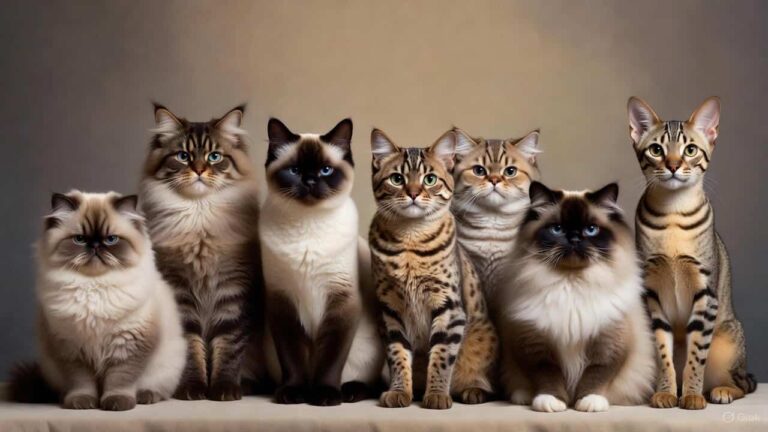
Looking for a Hunter? 10 Cat Breeds with Powerful Instincts
Certain cat breeds are natural-born hunters with strong predatory instincts. Explore 10 powerful cat breeds known for their agility, focus, and hunting skills.
Explanation:
If you’re on the hunt for a feline companion that embodies the wild spirit of a predator while fitting seamlessly into your home, you’ve come to the right place. Cats have been celebrated for their hunting prowess for thousands of years, evolving from wild ancestors who relied on sharp instincts to survive. Today, many cat owners seek out breeds with strong predatory drives not just for practical reasons—like keeping pests at bay—but also for the sheer joy of watching their pet engage in natural behaviors. In this comprehensive guide, we’ll explore seven hunting cat breeds known for their powerful instincts, diving deep into their histories, traits, care needs, and why they make excellent hunters. Whether you’re dealing with a mouse problem or simply want a cat that’s active and engaging, these breeds stand out.
Before we jump in, it’s worth noting that all cats have some level of prey drive, but certain cat breeds have honed these skills through generations of selective breeding or natural adaptation. For instance, breeds with roots in rural or working environments often excel in stalking, pouncing, and capturing. Moreover, incorporating toys and activities that mimic hunting can help satisfy these instincts indoors, preventing boredom and promoting health. If you’re new to cat ownership, consider how a breed’s energy level aligns with your lifestyle—some of these hunters are high-maintenance in the play department!
1. American Shorthair: The All-American Pest Controller cat breeds
The American Shorthair is often hailed as one of the top predatory cat breeds, with a lineage that traces back to the early European settlers who brought cats to North America to protect ships and farms from rodents. These sturdy cats were bred for functionality, not just looks, making them natural mouse hunting cats that still retain their working-class roots today. With a muscular build, broad chest, and agile body, the American Shorthair is built for endurance and quick bursts of speed, perfect for chasing down prey.
In terms of personality, these cats are patient and intelligent, traits that enhance their hunting abilities. For example, they’ll often sit quietly, observing their target before striking with precision. Their strong hunting instinct means they’re excellent at keeping homes free of insects and rodents—many owners report their American Shorthairs bringing “gifts” like caught mice or flies. However, this doesn’t mean they’re aggressive; they’re affectionate family pets who bond well with children and other animals, as long as introductions are gradual.
Caring for an American Shorthair involves stimulating their predatory instincts through play. Interactive toys like feather wands or laser pointers can mimic the thrill of the hunt, while puzzle feeders tap into their problem-solving skills. Health-wise, they’re generally robust, with a lifespan of 15-20 years, but watch for obesity since their love of food can lead to weight gain if not balanced with activity. Pros include low grooming needs (their short coat sheds minimally) and adaptability to apartment living. On the downside, their curiosity might lead them into mischief, like knocking over vases while “hunting” shadows.
To learn more about this breed’s standards, check out the Cat Fanciers’ Association page on American Shorthairs. 19 If you’re considering adoption, sites like the ASPCA offer great resources on responsible pet ownership.
Expanding on their hunting behaviors, American Shorthairs exhibit classic stalking techniques: low crouch, dilated pupils, and a twitching tail signaling imminent pounce. In rural settings, they’re unmatched for pest control, but even in urban homes, they thrive on simulated hunts. For instance, one owner shared a story of their cat eradicating a persistent ant invasion simply by patrolling the kitchen nightly. Additionally, training them to fetch can channel this energy positively. Nutrition plays a key role too—high-protein diets support their muscular frame and energy levels. Brands like Royal Canin offer breed-specific formulas that cater to their needs.
When it comes to socialization, early exposure to various environments helps temper their instincts around smaller pets like hamsters. Nevertheless, supervision is advised. In comparison to other breeds, the American Shorthair’s balanced temperament makes it ideal for first-time owners seeking a low-maintenance hunter.
2. Maine Coon: The Gentle Giant with a Fierce Prey Drive
Maine Coons are legendary among hunting cat breeds, often called “gentle giants” for their massive size—up to 18 pounds—and friendly demeanor. Originating from the rugged farms of Maine, these cats were prized for their ability to hunt mice and rats in harsh winters, thanks to their thick, water-resistant coats and large, tufted paws that act like snowshoes. Their prey drive is exceptionally strong, making them top mouse hunting cats that can tackle larger vermin with ease.
Personality-wise, Maine Coons are playful and curious, with hunting instincts that manifest in games of chase or ambush. They’ll stalk toys or even shadows, pouncing with surprising agility for their size. Moreover, they’re known for “chirping” or trilling when excited about prey, a vocal trait that adds to their charm. Despite their size, they’re affectionate lap cats who get along with dogs and kids, but their hunting zeal means they might view small birds or fish as fair game.
Care requirements include regular grooming to prevent mats in their long fur, and plenty of vertical space like cat trees to satisfy their climbing instincts. Health concerns can include hip dysplasia due to their size, so joint supplements might be beneficial. Pros: They’re adaptable to cold climates and make great family pets. Cons: They shed a lot and require more food than smaller breeds.
For detailed breed info, visit Purina’s Maine Coon guide. 28 Organizations like the Maine Coon Breeders and Fanciers Association provide breeding standards and health tips.
Delving deeper, Maine Coons’ hunting style is methodical—they use their size to intimidate before striking. In historical contexts, they were essential on ships and barns, reducing pest populations effectively. Today, owners can harness this by using motorized toys that scurry like real prey. Furthermore, their intelligence allows for trick training, like high-fives after a successful “hunt.” Dietarily, they need calorie-dense food to fuel their activity, but portion control is key to avoid overeating.
Socially, they thrive in multi-pet households but may need time to adjust. Compared to sleeker breeds, their bulk gives them an edge in endurance hunts. If you’re in a rural area, a Maine Coon could be your ultimate pest patrol partner.
Related👉
3. Siamese: The Vocal Hunter with Endless Energy
Siamese cats are sleek predatory cat breeds originating from Thailand, where they were revered as temple guardians and skilled hunters. Their lithe, muscular bodies and pointed coats make them agile stalkers, with instincts honed for quick pursuits. Known for bringing home “gifts,” Siamese often hunt for their owners, showcasing their strong prey drive.
Their personality is outgoing and talkative—they’ll meow to announce a catch or demand playtime. This vocal nature, combined with high intelligence, makes them engaging companions who love interactive games that simulate hunting. However, they can be demanding, requiring lots of attention to channel their energy positively.
Care involves mental stimulation to prevent boredom-induced mischief, like feather toys or puzzle games. They’re prone to dental issues, so regular check-ups are essential. Pros: Loyal and affectionate. Cons: Can be noisy and clingy.
Explore more at The Spruce Pets’ Siamese profile. 12 The International Cat Association has great resources too.
In detail, Siamese hunting involves stealth and speed—they’re masters of the ambush. Historically, they protected sacred sites from vermin. Modern owners can use laser pointers for safe hunts. Nutrition focuses on lean proteins for their active lifestyle.
They bond deeply but may not suit quiet homes. In contrast to bulkier breeds, their agility shines in tight spaces.
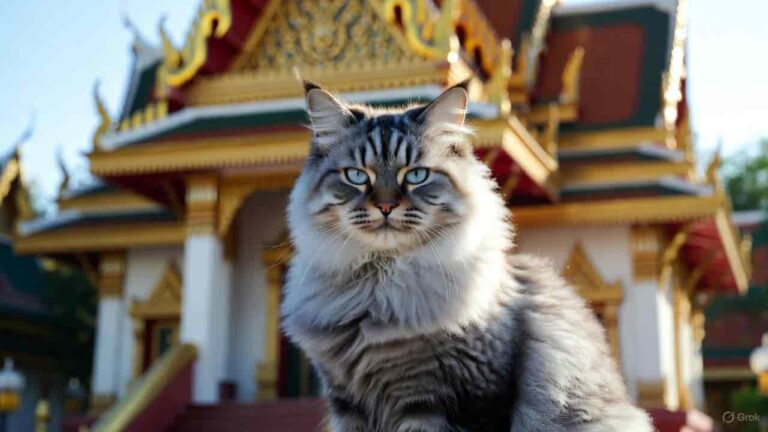
4. Siberian: The Forest-Dwelling Predator
Siberians, hailing from Russia’s cold forests, are robust hunting cat breeds with triple-layered coats for insulation during hunts. Their sharp skills made them invaluable for rodent control in harsh environments.
Athletic and curious, they climb and jump with ease, using toys that mimic prey to satisfy instincts. They’re friendly but independent, suiting active families.
Grooming is moderate, health robust with 12-15 year lifespan. Pros: Hypoallergenic tendencies. Cons: High energy needs.
Check Wisdom Panel’s Siberian facts. 55
Their hunting is versatile—stalking birds or mice. Provide enrichment like scent games. Diet: High-protein for muscle.
Great for outdoorsy owners, unlike more domestic breeds.
5. Manx: The Tailless Agile Hunter
Manx cats from the Isle of Man are tailless wonders with powerful hind legs for leaping during hunts. Excellent mousers, their agility makes them top predatory cat breeds.
Playful and intelligent, they learn tricks and enjoy family life but need supervision around small pets.
Care: Watch for spinal issues due to tailless gene. Pros: Unique look. Cons: Potential health risks.
Visit Cats.com Manx breed page. 53
Hunting style: Quick pounces. Use puzzle toys. Balanced diet essential.
Ideal for interactive homes, differing from lazier breeds.
6. Japanese Bobtail: The Playful Predator from the East
Japanese Bobtails, with their pom-pom tails, were bred as hunters in Asia, protecting silk from rats. Intelligent and active, they’re avid hunters who play with prey.
Sociable and trainable, they thrive on attention.
Low grooming, healthy breed. Pros: Unique tail. Cons: High activity.
See CFA’s Japanese Bobtail info. 65
Hunting: Flexible and smart. Feather toys ideal. Seafood-inspired diet.
Fun for families, unlike solitary breeds.
7. Norwegian Forest Cat: The Viking Hunter
Norwegian Forest Cats, from Scandinavia, are climbers with creative hunting tactics, loving outdoor simulations.
Independent yet affectionate, they need space.
Grooming high, lifespan long. Pros: Adaptable to cold. Cons: Shedding.
Read PetMD’s profile. 74
Hunting: Pouncing pros. Interactive play key. Hearty meals.
Perfect for adventurous owners.
Conclusion: Choosing Your Ideal Hunting Companion
These seven hunting cat breeds offer a mix of power, personality, and practicality. Whether you pick an American Shorthair for reliability or a Maine Coon for size, remember to nurture their instincts responsibly. For more, visit International Cat Care.hnting