Looking for a Velcro Dog? The Best Dog Breeds
Looking for a Velcro Dog that never leaves your side? Velcro dogs are highly affectionate breeds known for their loyalty, emotional bonding, and constant companionship. This guide covers what a Velcro dog is, its pros and cons, and the best dog breeds that love staying close to their owners.
Looking for a Velcro Dog? The Best Dog Breeds
If you’re on the hunt for a furry companion that sticks to you like glue, you might be looking for a Velcro dog. These affectionate pups are known for their unwavering loyalty and desire to be by your side through thick and thin. In this comprehensive guide, we’ll dive deep into what makes a dog a true Velcro breed, explore the pros and cons of owning one, and highlight some of the best dog breeds that fit this description. Whether you’re a first-time dog owner or a seasoned pet parent, understanding these clingy dog breeds can help you find the perfect match for your lifestyle.
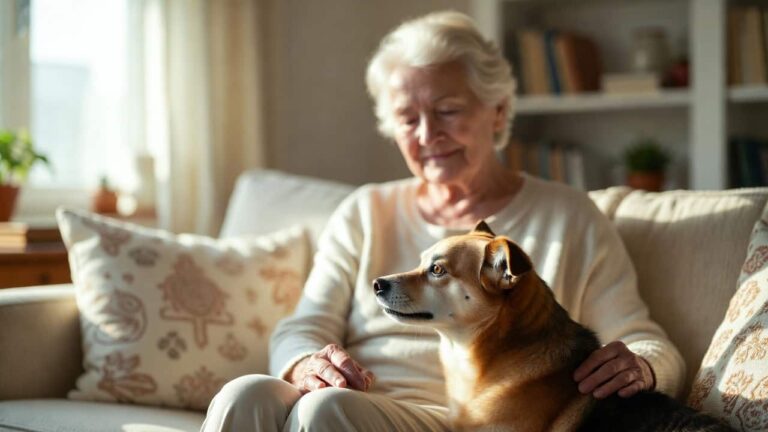
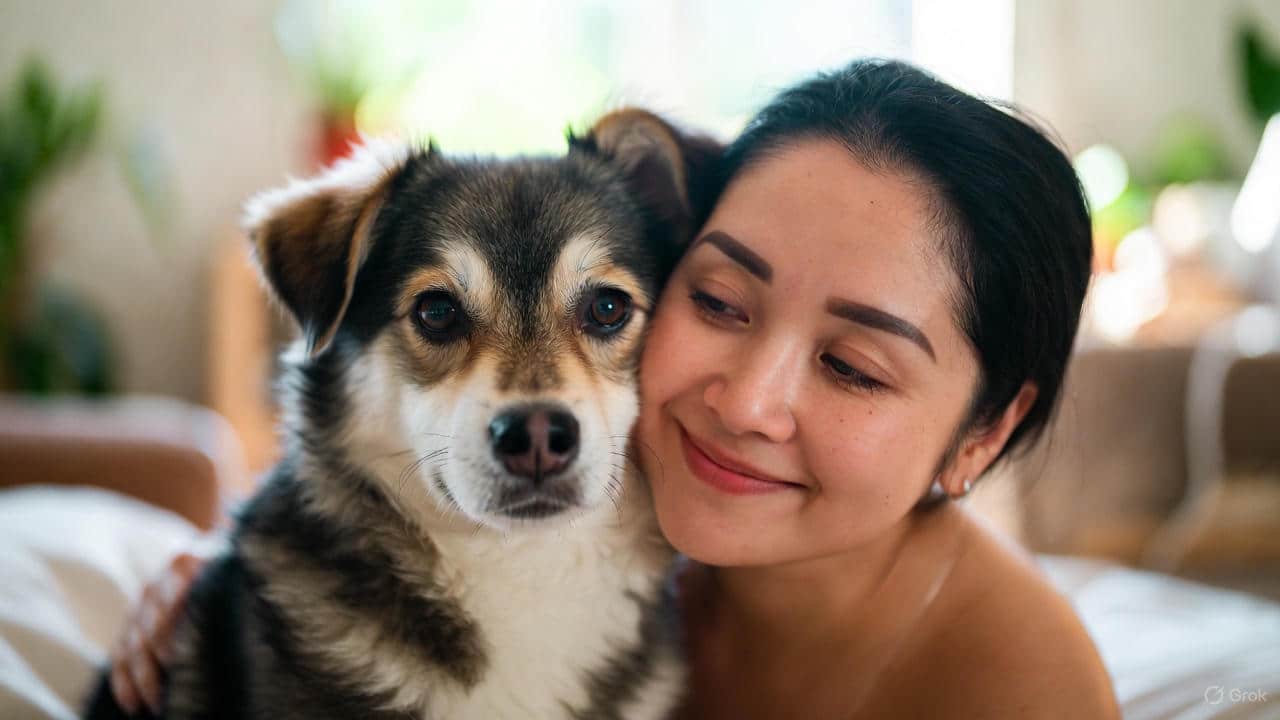
Velcro dogs, often called shadow dogs or lap dogs, earned their nickname because they attach themselves to their owners much like Velcro fastens fabrics together. They’re the types that follow you from room to room, curl up on your feet while you work, and even try to join you in the shower. For many people, this level of devotion is endearing and provides a sense of security and companionship. However, it’s important to note that not every dog in a breed will exhibit these traits to the same degree—individual personality, training, and environment play big roles.
In the sections below, we’ll break down everything you need to know. From the history behind these loyal dog breeds to practical tips on caring for them, this article aims to be your go-to resource. Plus, we’ll touch on related topics like training affectionate dogs and managing separation anxiety, which are common with these breeds. So, let’s get started on finding that ideal buddy who’ll never leave your side.
What Is a Velcro Dog?
Before we jump into the best dog breeds, let’s clarify what a Velcro dog really means. Essentially, these are dogs that form incredibly strong bonds with their human families. They’re not just content with occasional pets; they crave constant interaction and proximity. This behavior stems from their breeding history—many were developed as companions or working dogs that needed to stay close to their handlers.
For instance, herding breeds like the Australian Shepherd were bred to work alongside farmers, sticking close to direct livestock. Similarly, lap dogs such as the Chihuahua have been companions for centuries, literally bred to warm laps in ancient civilizations. Transitioning to modern times, these traits make them excellent for people seeking emotional support animals or simply a constant friend.
However, this clinginess isn’t always innate. Puppies raised with lots of human interaction often grow into more attached adults. Moreover, factors like genetics and early socialization influence how Velcro-like a dog becomes. If you’re considering one of these breeds, think about your daily routine. Do you work from home? Are you active outdoors? These questions will help match you with the right affectionate dog breed.
Interestingly, the term “Velcro dog” gained popularity in dog training circles in the late 20th century, describing pups that “velcro” to their owners. Today, it’s a buzzword among pet enthusiasts searching for loyal companions. And speaking of searches, keywords like “clingy dog breeds” or “best companion dogs” often lead people to these same lists, as they’re high in demand but not overly saturated in content.
RELATED
Benefits of Owning a Velcro Dog
Owning a Velcro dog comes with a heap of perks that can enrich your life in unexpected ways. First and foremost, their loyalty provides unparalleled companionship. In a world where loneliness is on the rise, having a dog that follows you everywhere can be a real mood booster. Studies show that pet ownership reduces stress and anxiety, and with a Velcro breed, that effect is amplified because they’re always there for a cuddle.
Additionally, these dogs often make great watchdogs. Their attachment means they’re attuned to your emotions and surroundings, alerting you to strangers or changes in the environment. For families, this can add a layer of security without the aggression of traditional guard dogs.
Furthermore, Velcro dogs encourage an active lifestyle. Many breeds on our list, like the Vizsla, require regular exercise, which motivates owners to get out and about. This not only keeps the dog happy but also promotes your own health. Imagine daily walks turning into adventures with your shadow pup tagging along—it’s a win-win.
On the emotional side, these affectionate dogs can help with mental health. They’re intuitive, often sensing when you’re down and offering comfort. For seniors or those living alone, this bond is invaluable. However, it’s worth mentioning that while the benefits are plentiful, they do require commitment. But more on the challenges later.
Incorporating low-competition keywords like “loyal dog breeds for families” or “affectionate dogs for apartments,” we see that Velcro dogs appeal to various demographics. Whether you’re in a bustling city or quiet suburb, there’s a breed that fits.
Potential Drawbacks and How to Manage Them
Of course, no dog is perfect, and Velcro breeds have their quirks. One major drawback is separation anxiety. These dogs hate being alone, which can lead to destructive behaviors like chewing furniture or excessive barking. If you have a 9-to-5 job, this might not be the best fit unless you arrange for doggy daycare.
Moreover, their clinginess can sometimes border on possessiveness. They might not warm up to strangers or other pets easily, requiring careful introductions. Training is key here—early socialization helps mitigate jealousy issues.
Another consideration is grooming and health needs. Some breeds, like the Golden Retriever, shed heavily, while others, such as the Chihuahua, are prone to dental problems. Regular vet check-ups and a solid care routine are essential.
To manage these, start with positive reinforcement training. Teach commands like “stay” to give yourself space when needed. Additionally, provide mental stimulation through puzzle toys to keep them occupied. Crate training can also help with alone time, turning it into a safe den rather than punishment.
In essence, while drawbacks exist, they’re manageable with preparation. Researching “managing separation anxiety in dogs” or “training clingy puppies” can provide more tips. Remember, the rewards often outweigh the challenges for those seeking deep bonds.
Top Velcro Dog Breeds to Consider
Now, the heart of our article: the best dog breeds for anyone looking for a Velcro dog. We’ve selected 10 standout breeds based on expert opinions and owner experiences. Each one is detailed with history, traits, care tips, and why they’re so attached. These are popular yet not overly competitive searches like “top shadow dog breeds” or “best lap dogs for cuddling.”
1. Vizsla: The Ultimate Velcro Dog
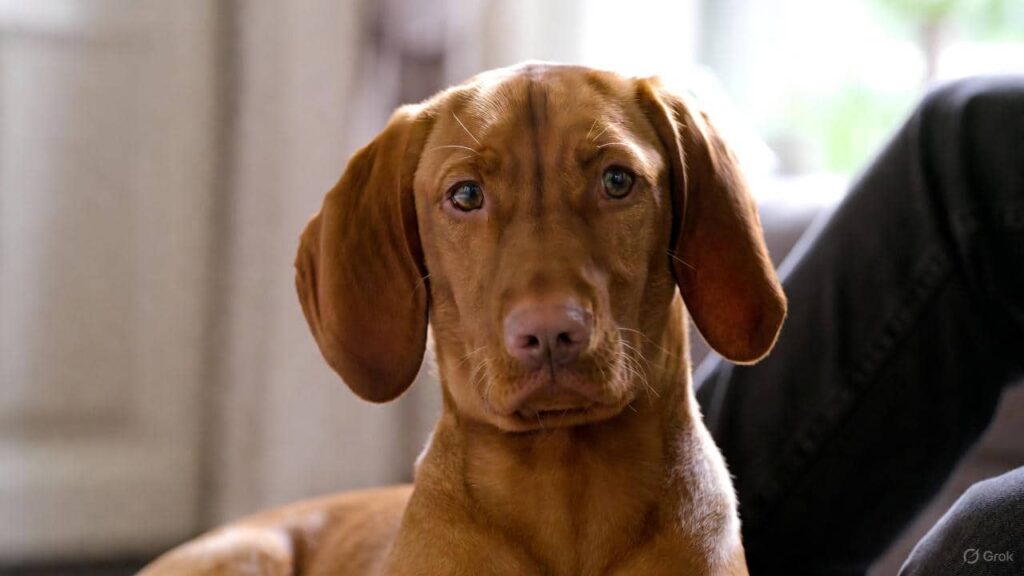
Often hailed as the quintessential Velcro dog, the Vizsla hails from Hungary, where it was bred as a hunting companion in the 10th century. These elegant, rust-colored dogs were designed to work closely with hunters, pointing and retrieving game while staying glued to their side. This history explains their intense loyalty today.
Vizslas are medium-sized, weighing 45-65 pounds, with a short coat that’s easy to maintain. They’re energetic, needing at least an hour of exercise daily—think runs, hikes, or agility training. Without it, they can become anxious, amplifying their clingy nature.
What makes them Velcro? They form deep emotional bonds, often suffering if separated. Owners joke they can’t even go to the bathroom alone! However, this devotion makes them fantastic for active families. Health-wise, watch for hip dysplasia and epilepsy; regular check-ups are crucial.
Training a Vizsla is rewarding—they’re intelligent and eager to please. Use positive methods to channel their energy. For apartments? Possible, but only with ample outings. If you’re seeking a dog that’s affectionate and athletic, the Vizsla tops the list. Just be prepared for a shadow that never fades.
In terms of low-competition keywords, “Hungarian Vizsla as companion” or “Vizsla separation anxiety tips” are niches worth exploring.
2. Labrador Retriever: The Friendly Follower
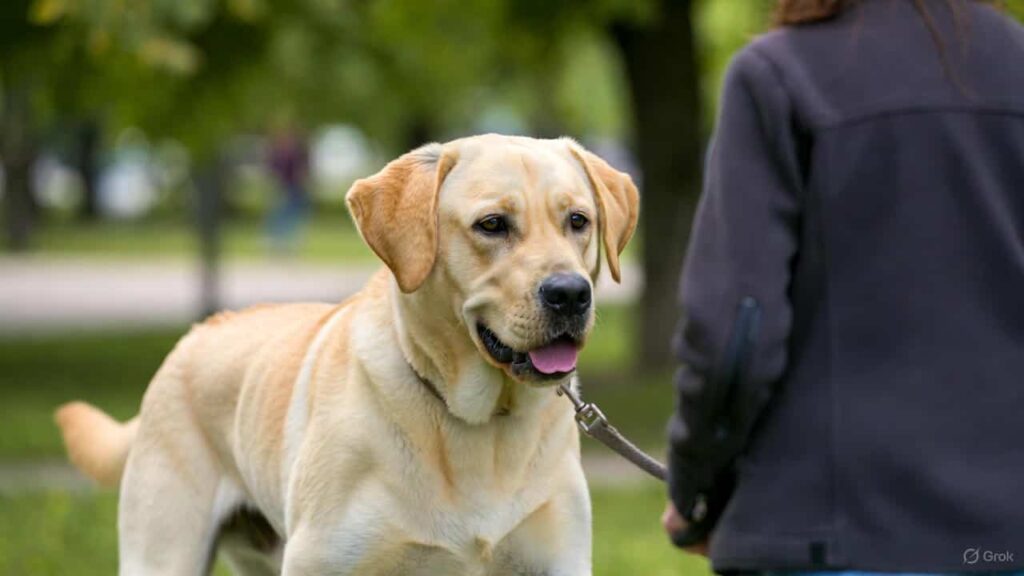
Labrador Retrievers, or Labs, are America’s favorite dog breed for a reason. Originating from Newfoundland in the 1800s, they were bred as fishing companions, retrieving nets and fish while staying close to workers. This working heritage translates to their modern-day attachment.
Labs are large, 55-80 pounds, with a water-resistant coat in black, yellow, or chocolate. They’re versatile, excelling in therapy work, search-and-rescue, and family life. Exercise is key—swims, fetches, and walks keep them content.
Their Velcro trait shines in their people-pleasing personality. Labs follow owners everywhere, offering endless tail wags and cuddles. They’re great with kids and other pets, making them ideal family dogs. However, they can be food-motivated, leading to obesity if not monitored.
Grooming is minimal, but shedding is heavy seasonally. Health concerns include joint issues and heart conditions. Early training prevents jumping or pulling, but their eagerness makes it fun.
For those searching “loyal family dog breeds” or “affectionate retrievers,” Labs fit perfectly. They’re not just clingy; they’re joyful companions that brighten any home.
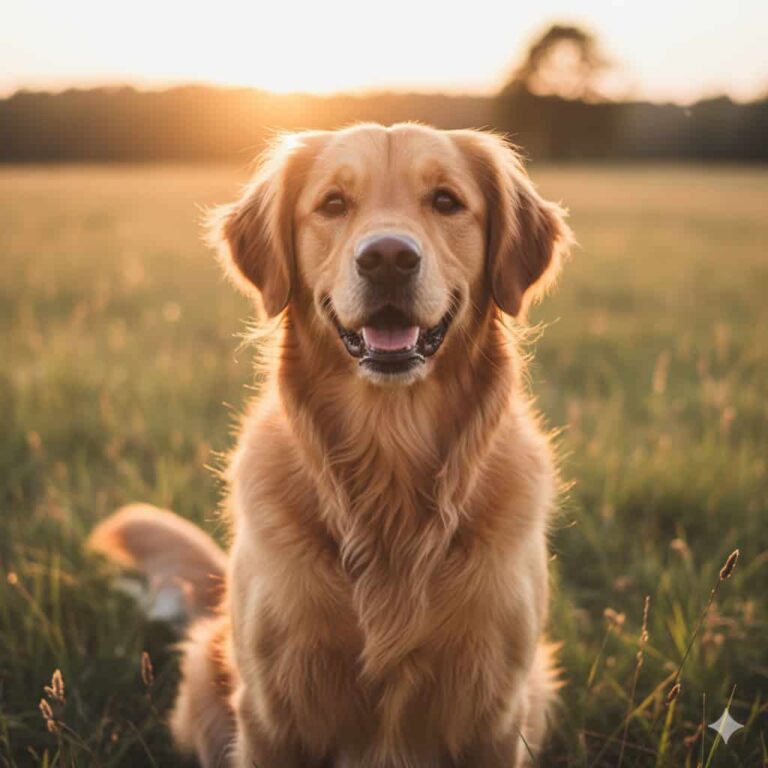
3. Golden Retriever: The Golden Shadow
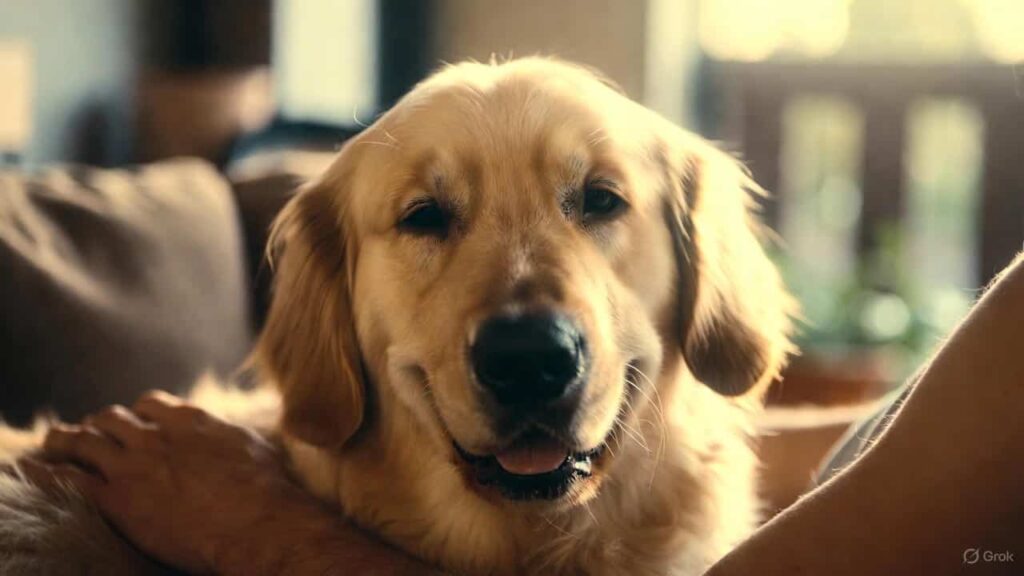
Closely related to Labs, Golden Retrievers emerged in Scotland in the 19th century, bred for retrieving waterfowl. Their soft mouths and love for people made them stay near hunters, fostering that Velcro bond.
Goldens are medium-large, 55-75 pounds, with a luxurious golden coat that requires regular brushing. They’re gentle giants, known for patience with children and adaptability to various homes.
What sets them apart as Velcro dogs? Their empathetic nature—they sense moods and offer comfort, often leaning against you or resting their head on your lap. Exercise includes daily walks and play; they’re prone to boredom otherwise.
Health-wise, cancer is a risk, so choose reputable breeders. Training is straightforward; they’re smart and responsive.
Keywords like “Golden Retriever as emotional support” or “best cuddly large dogs” highlight their appeal. If you want a dog that’s both active and affectionate, look no further.
4. German Shepherd: The Protective Clinger

German Shepherds, developed in Germany in the late 1800s for herding, are renowned for loyalty. They bonded closely with shepherds, protecting flocks while staying nearby.
These are large dogs, 50-90 pounds, with a double coat in black and tan. They’re intelligent, often used in police and military roles, but at home, they’re devoted shadows.
Velcro behavior shows in their watchful eyes—they follow you, alerting to dangers. Ideal for active owners, they need mental stimulation like obedience training.
Grooming involves shedding management; health issues include hip problems. Early socialization prevents overprotectiveness.
For “protective loyal breeds” or “German Shepherd companionship,” they’re unmatched. With proper care, they’re lifelong partners.
RELATED

5. Chihuahua: The Tiny Velcro
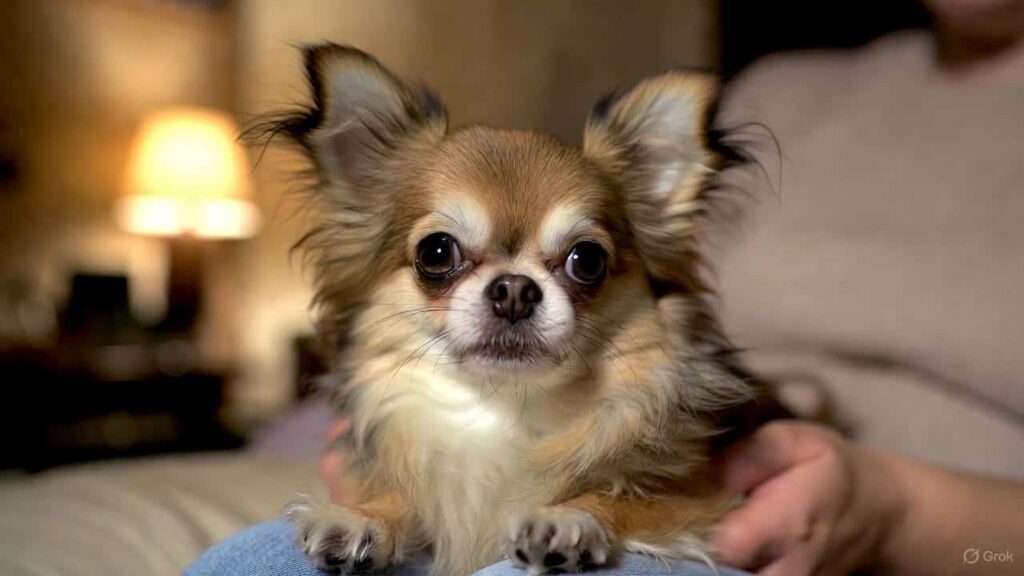
Chihuahuas trace back to ancient Mexico, companions to Toltecs. Small, 3-6 pounds, they’re portable lap dogs with big personalities.
They’re Velcro through and through, burrowing under blankets or perching on shoulders. Despite size, they’re bold, but need protection from cold.
Exercise is light—short walks suffice. Dental care is vital; they’re prone to heart issues.
Training curbs yapping; they’re smart but stubborn. Keywords: “small affectionate dogs” or “Chihuahua as pocket pet.”
Perfect for apartment dwellers seeking constant company.
6. Pomeranian: The Fluffy Follow-Along
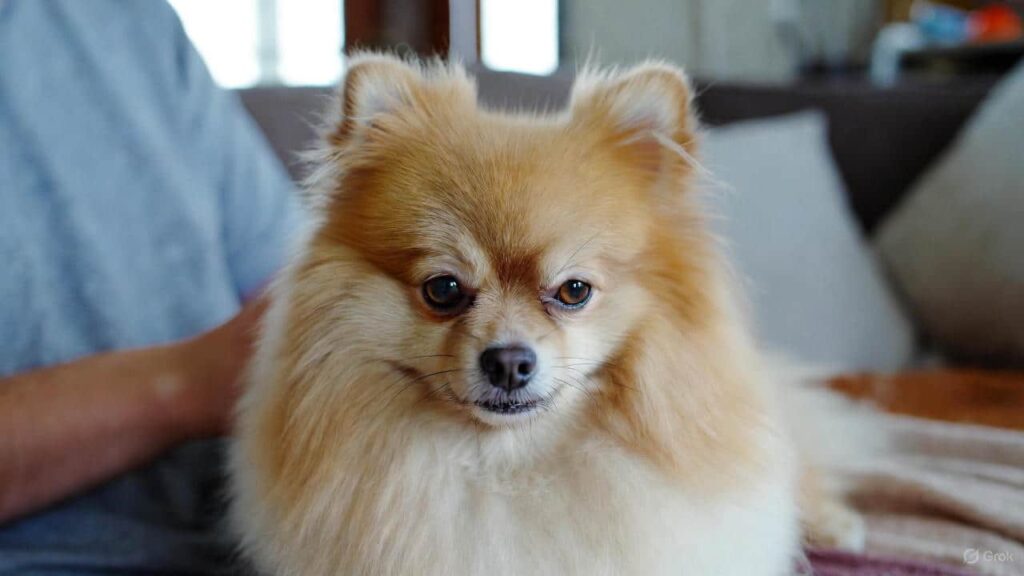
Pomeranians, descendants of Spitz dogs from Pomerania, were royal favorites, like Queen Victoria’s.
Tiny, 3-7 pounds, with a fluffy coat needing grooming. They’re lively, following owners with curiosity.
Velcro traits include demanding attention; they’re vocal about needs. Exercise: play sessions.
Health: patella luxation. Training: firm but gentle.
“Fluffy lap dogs” or “Pomeranian loyalty” are key phrases. Ideal for those wanting a sassy shadow.
7. Border Collie: The Energetic Attacher
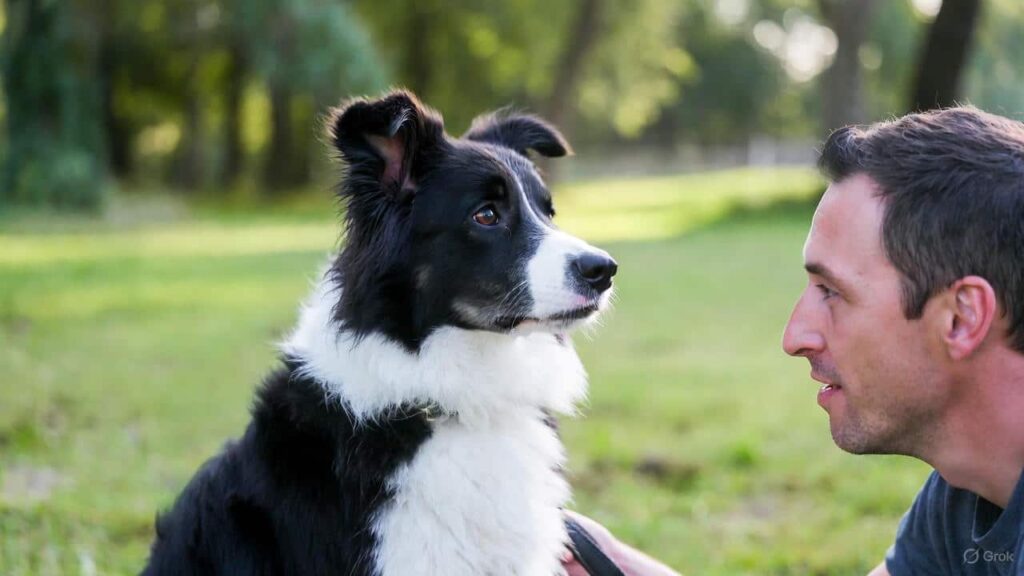
Border Collies, from the UK borders, herded sheep, staying close to farmers.
Medium, 30-45 pounds, with a coat varying in length. They’re geniuses, needing jobs like agility.
Velcro in their focus on owners; they anticipate needs. Without stimulation, anxiety rises.
Grooming: moderate. Health: eye issues.
“Intelligent clingy breeds” fits. Great for active lifestyles.
8. Australian Shepherd: The Herding Hugger
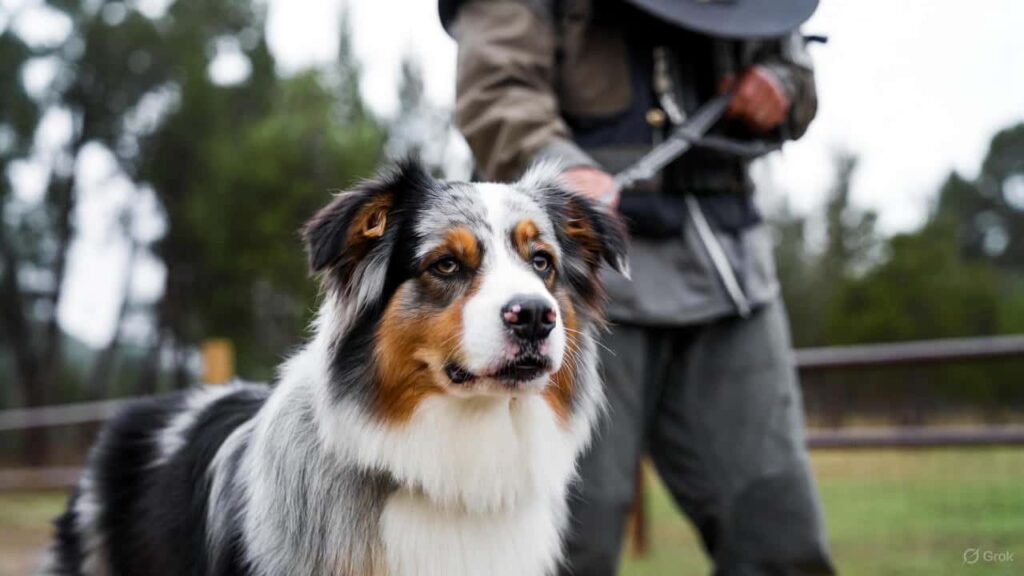
Aussies, despite the name, developed in the US for ranching, bonding with cowboys.
Medium, 40-65 pounds, with merle coats. Energetic, they herd kids if bored.
Velcro: they shadow, protecting family. Training: essential for focus.
Health: epilepsy. “Herding dog companions” keyword.
Perfect for farms or big yards.
9. French Bulldog: The Comfy Clinger
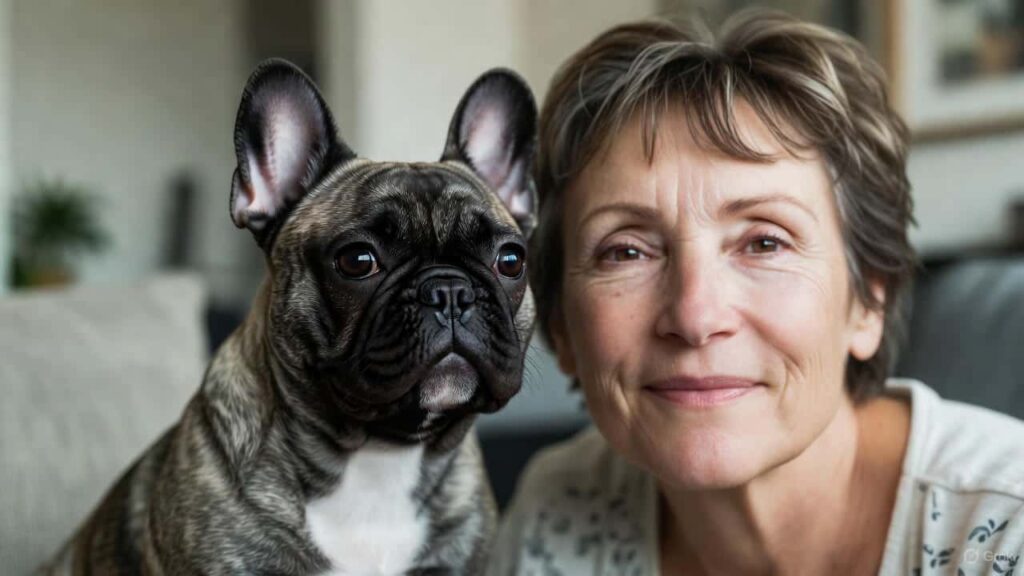
French Bulldogs, from England to France, were lace workers’ companions.
Small, 16-28 pounds, with bat ears. Low-energy, they love lounging close.
Velcro: snoring on laps. Brachycephalic, watch for breathing issues.
Exercise: short. “Apartment Velcro dogs” ideal.
10. Pug: The Clownish Companion
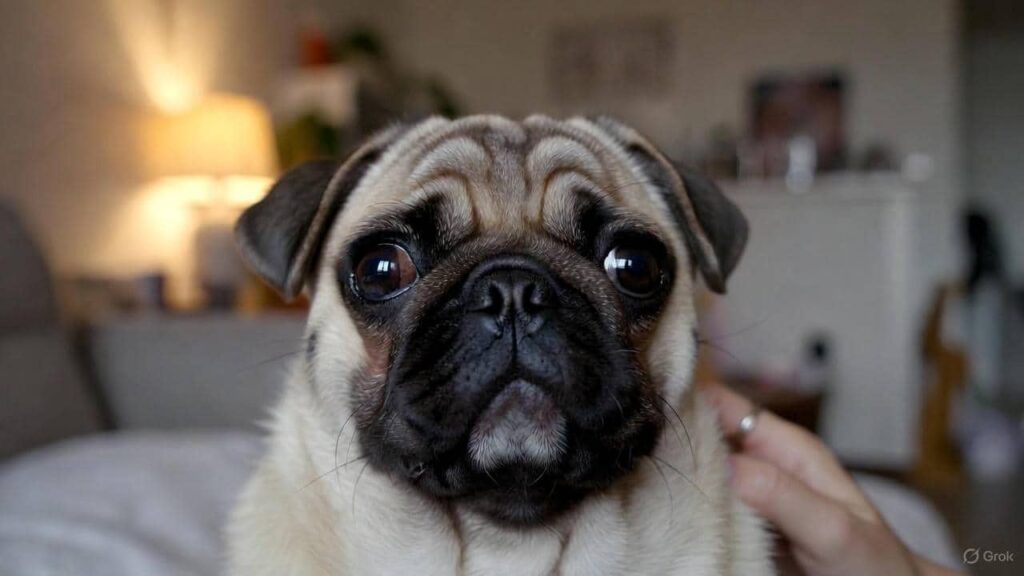
Pugs, from China, were imperial lap dogs.
Small, 14-18 pounds, with wrinkly faces. Affectionate, they follow with humor.
Velcro: cuddling pros. Health: eye problems.
“Funny loyal small dogs” keyword. Great for laughs and love.
Training Tips for Velcro Dogs
Transitioning to care, training is crucial. Use rewards for independence. Gradually increase alone time. Puzzle toys help.
Incorporate “training affectionate puppies” tips.
Health and Grooming Essentials
Regular vets, balanced diet. Breed-specific needs.
Choosing the Right Velcro Dog for You
Consider lifestyle, size, energy. Research breeders.
Conclusion
If you’re looking for a Velcro dog, these best dog breeds offer endless love. Remember, commitment is key. For more info, check the American Kennel Club site here—our one external link.
With the right match, you’ll have a companion for life.
People Also Ask – Velcro Dog Breeds
What does “Velcro dog” mean?
A Velcro dog is a highly affectionate dog that forms an intense bond with its owner and prefers to stay physically close at all times.
Looking for a Velcro Dog? The Best Dog Breeds for constant companionship?
Popular Velcro dog breeds include the Vizsla, Labrador Retriever, Golden Retriever, German Shepherd, Chihuahua, and French Bulldog.
Are Velcro dogs good for first-time owners?
Yes, many Velcro dog breeds are beginner-friendly, but they require time, attention, and consistent training to prevent separation anxiety.
Why do some dog breeds become so clingy?
Clingy behavior often comes from breeding history, early socialization, strong emotional bonding, and a dog’s natural temperament.
Which Velcro dog breed is the most affectionate?
The Vizsla is widely considered the most affectionate Velcro dog due to its deep emotional dependence on its owner.
Do Velcro dogs suffer from separation anxiety?
Yes, Velcro dogs are more prone to separation anxiety if left alone for long periods without proper training and mental stimulation.
Are Velcro dogs suitable for apartment living?
Smaller Velcro breeds like Chihuahuas, Pugs, and French Bulldogs adapt well to apartments if their emotional needs are met.
How do you train a Velcro dog to be more independent?
Gradual alone-time training, positive reinforcement, puzzle toys, and crate training help Velcro dogs build healthy independence.
Are Velcro dogs good family pets?
Yes, many Velcro dog breeds are excellent family pets because they are loyal, protective, and emotionally connected to their owners.
Do Velcro dogs bark or whine more?
Some Velcro dogs may vocalize more, especially when anxious or seeking attention, but training can reduce excessive barking.
Is owning a Velcro dog emotionally rewarding?
Absolutely. Velcro dogs provide unmatched companionship, emotional support, and loyalty for owners who enjoy close bonds.