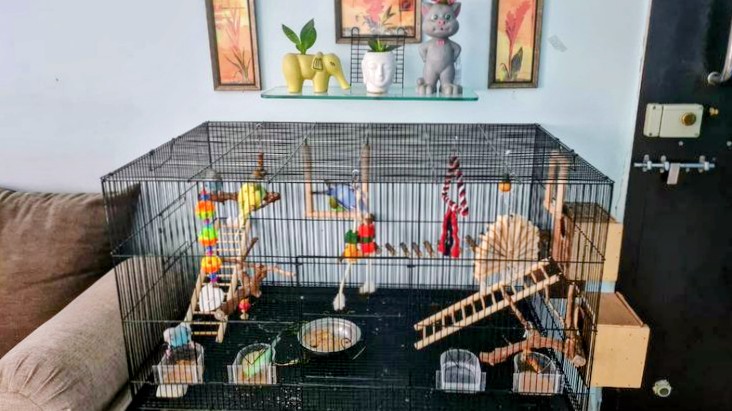
New Bird Owner Room Setup Checklist: Do’s and Don’ts
Hy! My loving pet fellow’s Welcome to the wonderful, slightly chaotic, and incredibly rewarding world of bird ownership. As someone who has spent years living in a multi-pet household—mostly dominated by my very curious cats—I’ve learned that bringing a bird into your home isn’t just about buying a cage.
It’s about a total lifestyle shift. In my experience, setting up a bird room setup requires the same level of detail as “baby-proofing” a house. You have to think about things you never considered before, like the fumes from your non-stick pans or the draft coming from a window.
What Is a Proper Bird Room Setup for Beginners?
A proper bird room setup is more than just a corner for a cage; it is a controlled ecosystem. Think of it as a sanctuary where your feathered friend feels secure enough to sleep, eat, and—most importantly—fly.
When I first helped a friend set up their avian space, we realized that “beginners” often think the bird stays in the cage. In reality, the “room” is the habitat, and the cage is just the bedroom.
Why Bird Room Environment Matters for Pet Birds
Birds are highly sensitive biological indicators. In the wild, they are prey animals, which means their nervous systems are dialed to 11.
If the environment is too loud, too dark, or too stagnant, your bird will likely develop stress behaviors like feather plucking. I’ve noticed that cats and birds actually share this trait: they both thrive on vertical space and predictable routines.
Basic Bird Room SOPs Every Owner Should Know
- Air Quality Control: No candles, no incense, and absolutely no Teflon/non-stick coatings.
- Light Cycles: Birds need 10–12 hours of uninterrupted sleep. If the room is high-traffic, you’ll need a “blackout” cage cover.
- The “Double Door” Rule: Always ensure there are two barriers between the bird and the outdoors (or the cat).
How to Match Bird Species With Your Lifestyle
Choosing a bird is like choosing a roommate. Some are “party animals” who want to scream at 6 AM, and some are “bookworms” who just want to sit near you and whistle.
Social Needs of Different Pet Birds
Cockatoos, for example, are the “Velcro dogs” of the bird world. If you work a 9-to-5, a Cockatoo might literally lose its mind from loneliness. On the other hand, species like Finches are happy as long as they have a buddy of their own kind.
Best Bird Species for Busy Owners
If your schedule is packed, I usually suggest looking at Canaries or Finches. They are beautiful to watch and listen to, but they don’t require the intense one-on-one emotional bonding that parrots do.
Beginner-Friendly Bird Types to Choose
- Budgies (Parakeets): Small, smart, and relatively hardy.
- Cockatiels: Famous for their whistling and generally mellow “cat-like” personality.
- Green Cheek Conures: All the personality of a big parrot in a small (though sometimes nippy) body.
Bird Cage Space Requirements Most Owners Ignore
As a cat owner, I know that if a cat feels cramped, they get “zoomies.” If a bird feels cramped, they get depressed. Most “starter kits” sold in big-box stores are, frankly, way too small.
Minimum Cage Size Guide by Bird Type
A good rule of thumb? Buy the largest cage you can afford and fit in your room.
- Small Birds (Budgies): 18x18x18 inches (absolute minimum).
- Medium Birds (Cockatiels): 24x24x24 inches.
- Large Birds (Amazons/Greys): 36x24x48 inches.
Room Space vs Flight Time Needs
Even the best bird room setup requires out-of-cage time. If your bird is in a smaller cage, they need at least 3-4 hours of flight time in a bird-safe room.
Small Apartment Bird Setup Tips
Living in a small space? Use verticality. Wall-mounted perches and ceiling-hung “play gyms” can turn a tiny living room into an avian playground without taking up floor space.
Noise Levels: Choosing the Right Bird for Your Home
Let’s be real: birds are not quiet. My cats make a “chirp” when they see a moth, but a Sun Conure can be heard three houses down.
Loud vs Quiet Pet Bird Species
- Loud: Sun Conures, Macaws, Cockatoos.
- Quiet-ish: Budgies, Cockatiels, Bourke’s Parakeets.
How to Manage Bird Noise Indoors
Soft furnishings like rugs and curtains help absorb sound. However, never try to “shush” a bird by screaming back—they just think you’re joining the party.
Best Low-Noise Birds for Beginners
Bourke’s Parakeets are often overlooked. They are crepuscular (active at dawn and dusk) and have a very soft, melodic “tweet” that won’t annoy the neighbors.
Bird Room SOP Safety Rules (Do’s and Don’ts)
Safety in a bird room is about preventing the “unthinkable.” In my experience, the biggest danger is often us humans being “human.”
Follow proper bird room safety guidelines to prevent common indoor hazards for pet birds.
How to Move Safely Around Free-Flying Birds
The “Shuffle Step” is key. If your bird likes to walk on the floor, never lift your feet. Slide them. Also, always check the top of doors before closing them—feet get pinched there more often than you’d think.
Safe Feeding SOP Inside Bird Rooms
Never leave fresh fruit or veggies in the cage for more than 2-3 hours. Bacteria grows fast, especially in warm rooms, and a bird’s digestive system is delicate.
Handling & Interaction Rules
Do: Let the bird come to you.
Don’t: Grab them from above (this mimics a predator like a hawk or, well, my cat).
Common Bird Room Mistakes First-Time Owners Make
Sudden Movements and Stress Triggers
Walking into a room wearing a big hat or carrying a laundry basket can terrify a bird. They don’t recognize you; they just see a “large moving object.”
Overfeeding and Force Feeding Errors
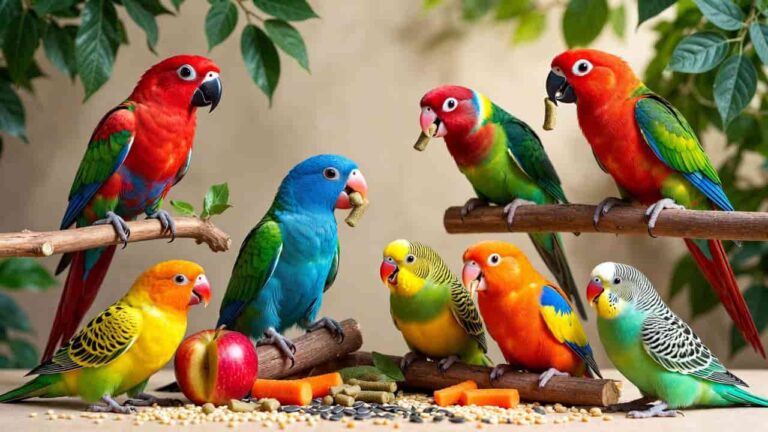
Many owners think a “full bowl” is a happy bird. In reality, birds are foragers. If you provide a mountain of seeds, they will pick out the “junk food” (sunflower seeds) and ignore the nutrients.
Ignoring Bird Body Language
Pinned eyes, flared tail feathers, or a slightly raised crest are all ways your bird says “Back off.” Respect the space, or you’ll get a beak-shaped souvenir on your finger.
Proper Bird Diet Setup in Bird Rooms
Fresh Food vs Pellets Guide
Vets generally recommend a diet that is 60-70% high-quality pellets, with the rest being “chop” (freshly diced vegetables). Seed should be a treat, not the main course.
Species-Specific Bird Nutrition
Lories need nectar; Hyacinth Macaws need high-fat nuts. Do your homework on your specific species’ metabolic needs.
Feeding Schedule for Pet Birds
I find that feeding “breakfast” (fresh chop) in the morning and “dinner” (pellets) in the evening works best for most household schedules.
Always verify the list of safe foods for pet birds before adding fresh items to your bird room feeding station.
Bird Lifespan and Long-Term Care Planning
Average Lifespan by Bird Species
- Budgies: 5–10 years.
- Cockatiels: 15–20 years.
- African Greys: 40–60 years.
Commitment Level Before Buying a Bird
This is a “lifestyle” pet. If you are planning on moving, traveling, or changing careers in the next decade, consider how a bird fits into that. They bond deeply and can suffer from “heartbreak” if rehomed.
Beginner Bird Room Checklist (Quick Setup Guide)
Daily Bird Room SOP Checklist
- Change water (use stainless steel bowls).
- Remove old fresh food.
- Wipe down “poop zones” under perches.
- Interact for at least 1 hour.
Weekly Cleaning & Maintenance Plan
- Scrub the cage bars.
- Rotate toys (prevents boredom).
- Vacuum the “seed splatter” (it will be everywhere).
FAQs
Q: Can I keep my bird in the kitchen?
A: Absolutely not. Fumes from non-stick pans (PTFE) are lethal to birds within minutes.
Q: How do I “bird-proof” a ceiling fan?
A: You don’t. You simply never turn it on when the bird is out. Better yet, remove the pull chain so no one turns it on by accident.
Q: Will my cat and bird ever be friends?
A: As a cat owner, I say: Never trust the “friendship.” Even a playful swipe can be fatal. Keep them physically separated.
Q: Why is my bird throwing its food?
A: In the wild, birds are “messy” eaters to help reseed the forest floor. It’s a natural instinct, not a protest!
Also Read: Meet the 7 Smartest Talking Birds That Love to Chat
Conclusion
Setting up your first bird room setup is an act of love. It requires patience, a bit of research, and a willingness to accept that your house will never be perfectly quiet again. But when that little creature finally trusts you enough to fall asleep on your shoulder, every bit of prep work becomes worth it. Stay observant, keep things clean, and enjoy the flight!