Pet Budgie Care Tips: Some Unsafe Habits That Can Harm Your Bird
Just because a bird is small does not mean its needs are small. A budgie may be tiny in size, but its needs are not simple or insignificant. These energetic and lively birds depend entirely on us to provide a safe, balanced, and stable environment.
In this guide, we will discuss some common mistakes that every budgie owner must avoid. Along with that, we will also share safer and better alternatives that help protect your bird’s health and happiness.
Think of this article as a practical checklist. Read it carefully, understand it well, and start improving your budgie’s care today—so that the little bird who trusts you can live in a safe, comfortable, and nurturing environment.
Toxic and Unsafe Foods for Budgies
Many foods that are safe and enjoyable for humans can be extremely dangerous for budgies. Items like chocolate—loved by both children and adults—are toxic to birds. Similarly, avocado, alcohol, caffeine, overly salty snacks, and sugary foods can seriously harm your budgie’s health.
Even small amounts of these substances can cause digestive issues, poisoning, or life-threatening complications. Budgies have very sensitive systems, so their diet must be carefully managed.
What Should You Do Instead?
Build your budgie’s diet around safe and nutritious foods. Fresh vegetables such as spinach, carrots, and bell peppers are excellent choices. Fruits like guava and oranges (in moderation) can also be included. Always ensure that food is fresh, clean, and served in appropriate portions. A balanced and natural diet is essential for maintaining your bird’s long-term health and energy.
The Hidden Danger of Non-Stick Cookware
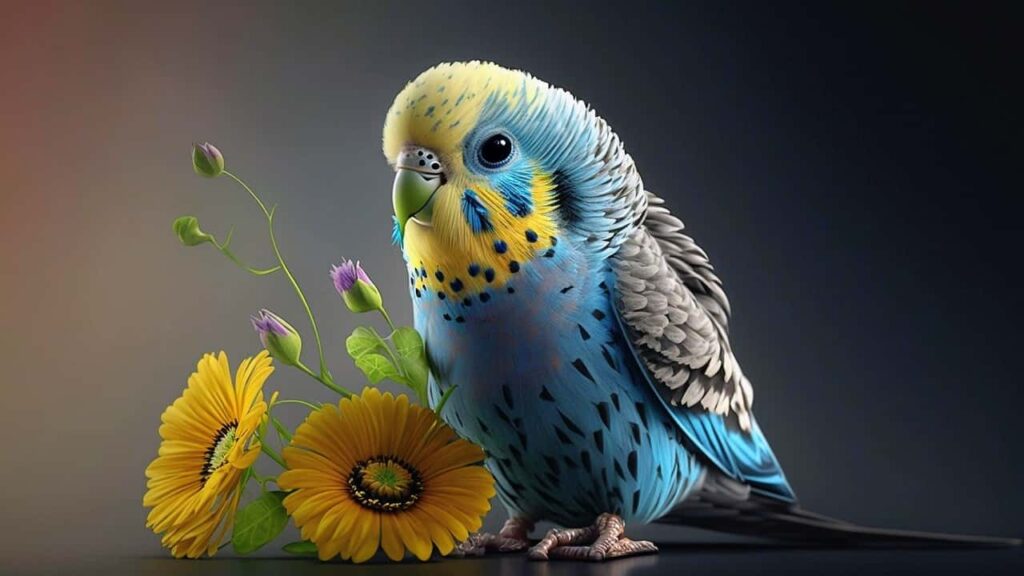
Non-stick cookware is considered a modern convenience in today’s kitchens. However, it can be extremely dangerous for your budgie. When non-stick pans are heated—especially at high temperatures—they can release invisible fumes that are toxic to birds.
These fumes, often produced from overheated non-stick coatings, can be deadly for all pet birds. Budgies are particularly vulnerable because of their highly sensitive respiratory systems. Even brief exposure can lead to severe respiratory distress and, in extreme cases, sudden death.
What Should You Do Instead?
Avoid using non-stick cookware if you have pet birds in your home. Instead, choose safer alternatives such as stainless steel cookware. Ensure proper kitchen ventilation at all times, and always keep your budgie away from the cooking area.
Your bird should never be exposed to kitchen fumes, smoke, or overheated surfaces. Taking these precautions can significantly reduce hidden household risks and keep your budgie safe.
Incorrect Cage Placement and Environmental Risks
The cage is your budgie’s home, so its placement is extremely important. A cage should never be placed in areas exposed to strong winds, direct harsh sunlight, extreme heat, or near heaters. Continuous drafts, excessive sunlight, or sudden temperature changes can put serious stress on your bird.
Additionally, avoid placing the cage in areas where strong sprays, perfumes, or chemical fumes are present, as these can irritate your budgie’s respiratory system. Birds are highly sensitive to airborne toxins.
What Is the Better Alternative?
Place the cage in a bright but protected area of your home. Choose a location that has natural light but is safe from direct sunlight, heavy wind, smoke, or kitchen fumes. Avoid placing the cage near windows with strong drafts or in the kitchen where heat and smoke levels fluctuate.
A stable, calm, and well-ventilated environment will help your budgie feel secure and stress-free.
Unsafe Toys and Perches Can Harm Your Budgie
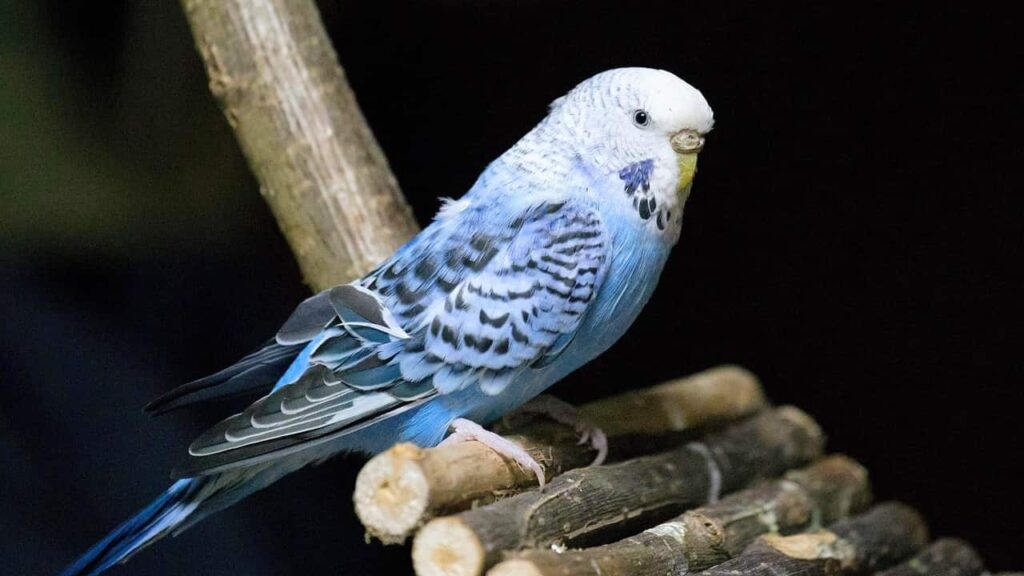
When it comes to toys and keeping your budgie mentally stimulated, safety should always come first. Never use unsafe toys or poorly made perches. Rough ropes, toxic paints, or unstable surfaces where your bird cannot grip properly can cause serious foot injuries and infections.
Budgies rely heavily on their feet for balance and movement. Poor-quality materials can lead to pressure sores, foot strain, or long-term health problems.
What Is the Safer Alternative?
Choose bird-safe, vet-approved toys made specifically for small parrots. Install natural wooden perches of varying thickness inside the cage. Different perch diameters help strengthen your budgie’s feet and prevent muscle strain. A secure grip and safe materials will keep your bird comfortable and injury-free.
Avoid Punishment and Forceful Handling
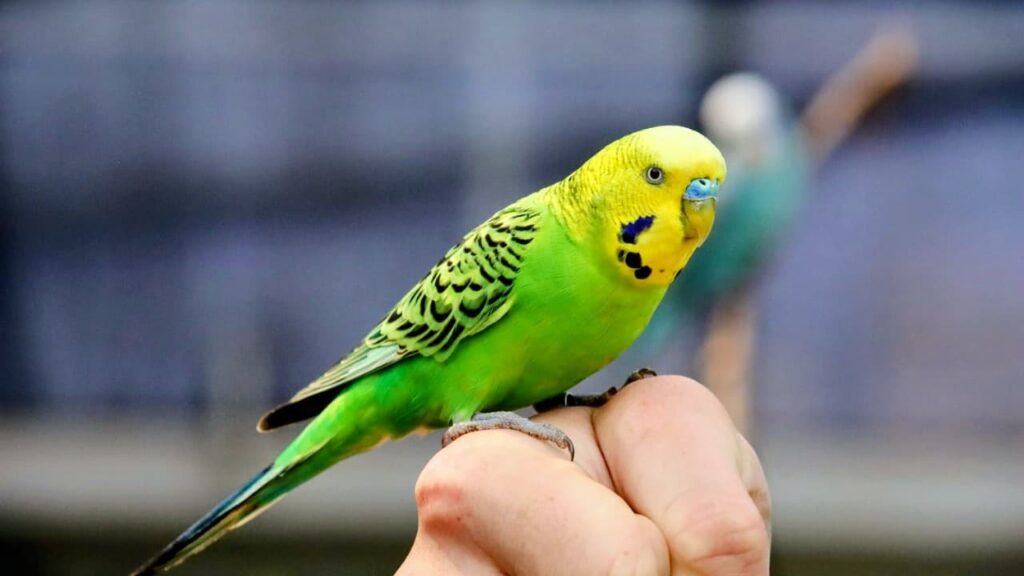
Never punish your budgie or forcefully grab it. Shouting, chasing, or handling your bird aggressively can severely damage the trust between you and your pet. Fear-based interactions may lead to long-term stress and behavioral problems.
Budgies are sensitive and intelligent birds. Trust is built through patience, not force.
What Should You Do Instead?
Adopt a calm and gentle approach. Speak softly and spend short, positive interaction sessions with your bird. Use rewards and encouragement during training. When your budgie feels safe and respected, it will naturally build trust and bond with you.
Do Not Neglect Mental and Physical Stimulation
Ignoring your budgie’s daily mental and physical activity can negatively impact its health. A bored budgie may develop stress-related behaviors, feather plucking, or depression.
Budgies are naturally active and social birds that require movement and stimulation every day.
Better Practice
Allow your budgie supervised time outside the cage daily in a safe, enclosed room. Rotate toys regularly to prevent boredom. Introduce simple training games to keep your bird mentally engaged. Activity and enrichment are essential for long-term well-being.
Never Ignore Early Signs of Illness
Budgies naturally hide signs of illness. Even mild symptoms should never be ignored. Fluffed-up feathers, reduced appetite, weight loss, lethargy, or behavior changes can indicate serious health issues.
Waiting for symptoms to “go away on their own” or relying solely on home remedies can make treatment more difficult and dangerous.
Responsible Action
Monitor your budgie’s weight, appetite, droppings, feather condition, and overall behavior daily. If you notice any unusual change, consult an experienced avian veterinarian immediately. Early diagnosis significantly increases the chances of successful treatment.
Avoid Harmful Cleaning Chemicals
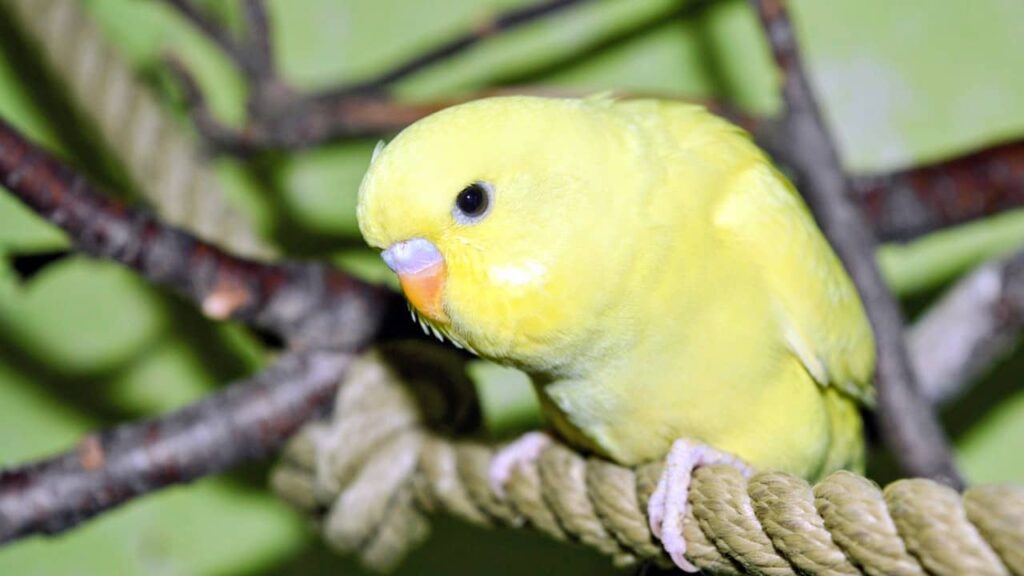
During cage cleaning, never use strong household chemicals, scented sprays, or heavily fragranced products. Air fresheners, perfumed candles, and chemical cleaners release fumes that can severely damage your budgie’s sensitive respiratory system.
Birds have extremely delicate lungs and air sacs.
Safer Cleaning Method
Use mild, bird-safe cleaning products or simply warm water for routine cleaning. Ensure the room is well ventilated but free from drafts. Cleanliness is important—but it must never compromise your bird’s respiratory health.
Maintain a Proper Light and Sleep Schedule
A consistent sleep schedule is crucial for your budgie’s hormonal balance and overall health. Excessive light at night, loud noise, or constant disturbance can disrupt hormones and weaken the immune system.
Ideal Routine
Provide your budgie with approximately 10–12 hours of uninterrupted sleep each night in a quiet and dim environment. Covering the cage partially (if safe and breathable) can help create a calm sleeping atmosphere. Proper rest supports both physical and emotional health.
Read Also: It’s not easy to live as a bird
Frequently Asked Questions (FAQs)
1. What foods are toxic to budgies?
Chocolate, avocado, caffeine, alcohol, salty snacks, and sugary foods are toxic to budgies. Even small amounts can cause serious health problems. A budgie’s diet should mainly include high-quality seeds or pellets, along with fresh vegetables and limited fruits.
2. Can non-stick cookware really kill a budgie?
Yes. When non-stick cookware overheats, it can release toxic fumes that are extremely dangerous for birds. Budgies have highly sensitive respiratory systems, and exposure to these fumes can be fatal. Stainless steel cookware is a safer alternative.
3. Where should I place my budgie’s cage at home?
A budgie’s cage should be placed in a bright but protected area, away from direct sunlight, strong drafts, kitchen fumes, heaters, and air fresheners. The environment should be stable, calm, and well-ventilated.
4. How many hours of sleep does a budgie need?
Budgies require approximately 10–12 hours of uninterrupted sleep every night. A quiet and dim environment is essential to maintain proper hormonal balance and overall health.
5. What are the early signs of illness in a budgie?
Common early signs include fluffed feathers, reduced appetite, weight loss, lethargy, unusual droppings, and behavior changes. Since budgies naturally hide illness, any noticeable change should be taken seriously and checked by an avian veterinarian.