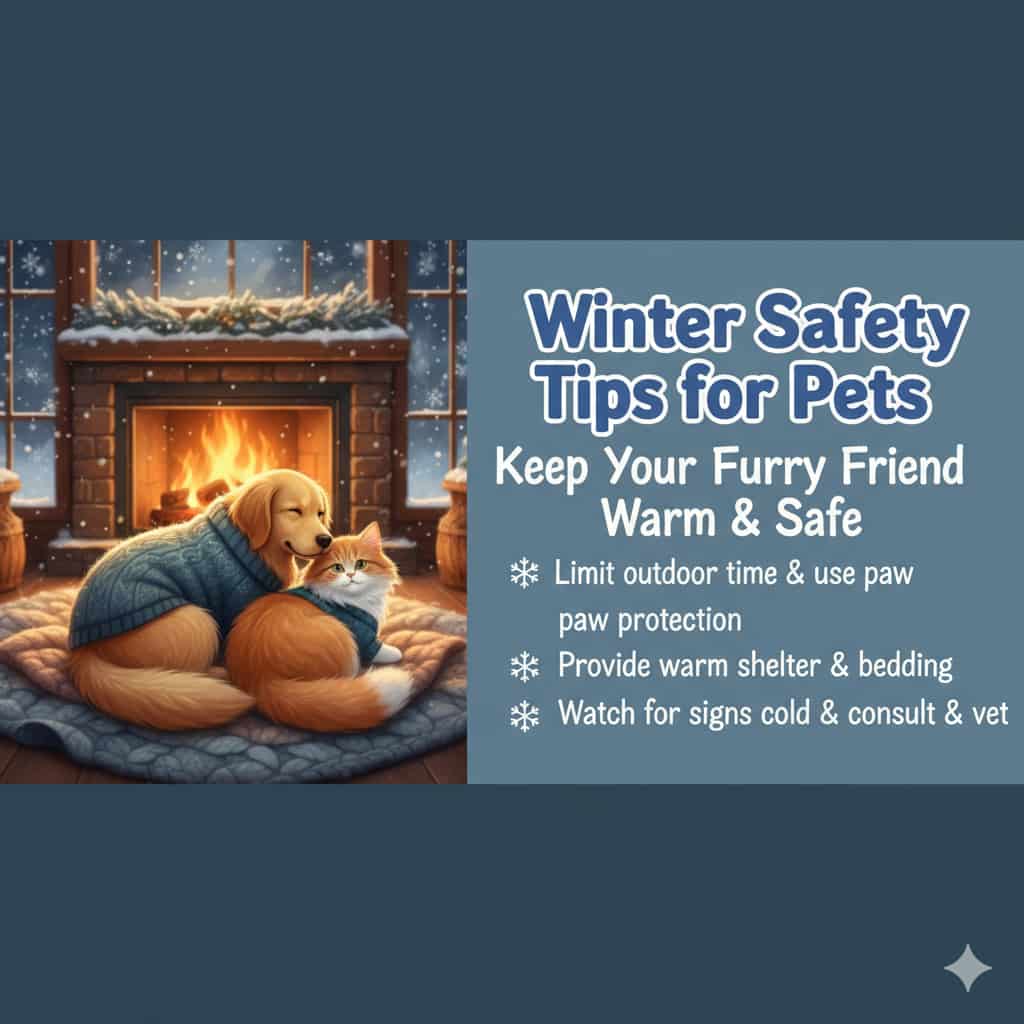
Protect Your Pets This Winter: Complete Safety Checklist
Introduction: Winter Is Coming — But Is Your Pet Ready?
When temperatures start to drop, we humans quickly grab our jackets, scarves, and hot cocoa mugs. But what about our pets?
Winter can be as challenging for them as it is for us. From icy roads to cold paws and dry skin — the chilly months bring a unique set of dangers that can affect your furry friend’s health and happiness.
That’s why understanding winter safety tips for pets is not just good pet parenting — it’s essential. Whether you have a dog, cat, rabbit, or hamster, they all need some extra care when the weather gets cold.
In this detailed guide, we’ll explore the best winter care tips for pets, expert advice on keeping pets warm, and preventing common cold-weather hazards like frostbite, dehydration, and more.
1. Understand How Pets React to Cold Weather
Not all pets react the same way to winter temperatures.
- Short-haired breeds (like Beagles or Chihuahuas) tend to get cold easily.
- Long-haired breeds (like Huskies or Malamutes) may handle cold better but still need protection in extreme conditions.
- Small pets like cats, rabbits, and guinea pigs are especially sensitive to drafts and low temperatures.
Watch for Signs of Cold Stress:
- Shivering or trembling
- Whining or barking excessively
- Cold ears or paws
- Lethargy or hiding behavior
- Frosted whiskers or nose
If your pet shows any of these signs, it’s time to get them somewhere warm immediately.
👉 Read next: How to Know If Your Dog Is Too Cold During Winter
2. Keep Outdoor Time Short and Supervised
Just like humans, pets can develop hypothermia or frostbite if exposed to cold for too long.
Even if your dog loves playing in the snow, limit outdoor time — especially early morning and late evening when temperatures are lowest.
Quick Tip:
Try scheduling walks during midday when the sun is out. The extra warmth makes walks more enjoyable and safer.
Related Post: Best Dog Breeds for Family Protection and Security
3. Dress Your Pet for the Season
Some may laugh at the idea of pets wearing coats or sweaters, but during winter, it’s more than fashion — it’s protection.
Best Winter Clothing for Pets:
- Dog sweaters and jackets: Cover the chest and belly.
- Booties or paw protectors: Prevent frostbite and chemical burns.
- Reflective gear: Keeps your pet visible during darker days.
Always ensure clothing fits comfortably — not too tight, not too loose.
You might also like: Perfect Tiny Toy Dog Breeds That Love Cold Weather
4. Protect Your Pet’s Paws from Ice and Salt
Winter sidewalks are often treated with salt, antifreeze, and de-icing chemicals, which can harm your pet if licked.
Paw Protection Tips:
- Wipe your pet’s paws after every walk.
- Apply pet-safe paw balm before going outside.
- Keep fur between paw pads trimmed.
Also Read: Dog Grooming Tips for Every Season
5. Create a Warm Indoor Environment
Your pet’s comfort starts at home. During the winter, indoor spaces can become cold and dry.
Simple Ways to Keep Pets Warm Indoors:
- Provide a soft, elevated bed away from cold floors.
- Keep beds and crates away from windows or drafts.
- Use pet-safe heating pads (avoid electric blankets).
- Maintain 68°F–72°F indoors.
If your pet sleeps in a garage or porch, move them indoors during extreme cold spells.
Check Out: Top Pet Care Tips for Every Season
6. Don’t Forget Hydration in Winter
Many assume pets don’t need much water in winter — but they do!
Dry air and heaters can cause dehydration.
- Always provide fresh, unfrozen water.
- Clean bowls daily (avoid metal bowls).
- Encourage drinking after walks and play.
Hydration also keeps skin and coat healthy, preventing dryness.
Recommended: Best Pet Food Brands for Healthy Hydration and Nutrition
7. Adjust Food Portions and Nutrition
Cold weather means pets may need more calories to stay warm — but it depends on activity level.
- Active pets: Slightly more food.
- Indoor pets: Slightly less to prevent weight gain.
Consult your vet before making changes. Add omega-3 supplements to promote healthy skin and coat.
You’ll Love: Complete Pet Nutrition Guide: Feeding Tips for Every Season
8. Watch Out for Antifreeze and Other Poisons
Antifreeze smells sweet but is extremely toxic to pets — even a teaspoon can be fatal.
Safety Tips:
- Store chemicals securely.
- Clean spills immediately.
- Use pet-safe antifreeze when possible.
If ingested, seek immediate vet care.
9. Grooming Still Matters in Winter
Grooming improves insulation and keeps skin healthy.
Winter Grooming Tips:
- Brush regularly to remove tangles.
- Avoid shaving too short.
- Bathe occasionally with moisturizing pet shampoo.
- Dry thoroughly after baths.
Learn More: Grooming Essentials for Long-Haired Dogs
10. Keep an Eye on Older Pets and Puppies
Young pets and seniors struggle with temperature regulation.
For Puppies:
- Limit outdoor time.
- Provide warm bedding.
For Senior Pets:
- Extra cushioning for joints.
- Gentle ramps instead of stairs.
- Vet checkups for arthritis.
11. Never Leave Pets in Cold Cars
Cold cars act like refrigerators — trapping freezing air.
Always take your pets with you or leave them safely at home.
12. Be Cautious Around Heat Sources
Heaters and fireplaces can cause burns or fires.
Safety Measures:
- Keep heaters out of reach.
- Use fireplace screens.
- Never leave pets alone near open flames.
13. Keep Exercise and Playtime Fun Indoors
When it’s too cold, switch to indoor activities!
Indoor Games:
- Hide treats and play “find it.”
- Use puzzle toys.
- Teach new tricks.
- Play gentle fetch indoors.
Try Also: Top Funny Dog Videos That Show Pets Having Winter Fun
14. Make Sure Your Pet Has Proper ID
Snow and storms can disorient pets.
Ensure they have collars with updated ID tags and microchips.
If lost, ID tags greatly increase reunion chances.
15. Regular Vet Checkups Are a Must
Before winter hits, visit your vet.
Cold weather can worsen arthritis or heart issues.
Your vet can recommend winter-safe supplements or diet adjustments.
16. Don’t Forget Emotional Warmth
Shorter days and less play can make pets anxious.
Spend extra time cuddling, training, or playing.
Your love is the best winter warmth they can have.
Key Takeaways
- Keep outdoor time short.
- Dress pets warmly.
- Protect paws and skin.
- Stay hydrated.
- Keep homes cozy.
- Visit vets regularly.
FAQs: Winter Pet Safety Tips
1. How cold is too cold for pets?
Below 45°F (7°C) is uncomfortable; below 32°F (0°C) can be dangerous.
2. Can pets get frostbite?
Yes — ears, paws, and tails are most at risk. Seek vet help immediately.
3. Should I give my dog a bath in winter?
Yes, but sparingly. Use lukewarm water and moisturizing shampoo.
4. Is antifreeze dangerous?
Yes — it’s deadly. Keep away from pets.
5. Can cats stay outside during winter?
No. They need warm shelter and unfrozen water.
6. How can I keep my dog warm at night?
Provide a cozy bed with blankets off the cold floor.
Final Thoughts
Caring for pets during winter doesn’t have to be hard — it’s about small, smart steps.
Follow these winter safety tips for pets to ensure your furry friend stays happy, healthy, and warm.
So snuggle up, keep them cozy, and enjoy a safe, heartwarming winter together.