Thai Cats Are Now National Symbols: History, Meaning & Complete Guide
Discover why Thai cats are now officially national symbols, their history, traits, cultural importance, and how they became globally admired. A complete guide with FAQs, external resources, and expert insights.
Introduction: Why Thai Cats Are Suddenly in the Global Spotlight
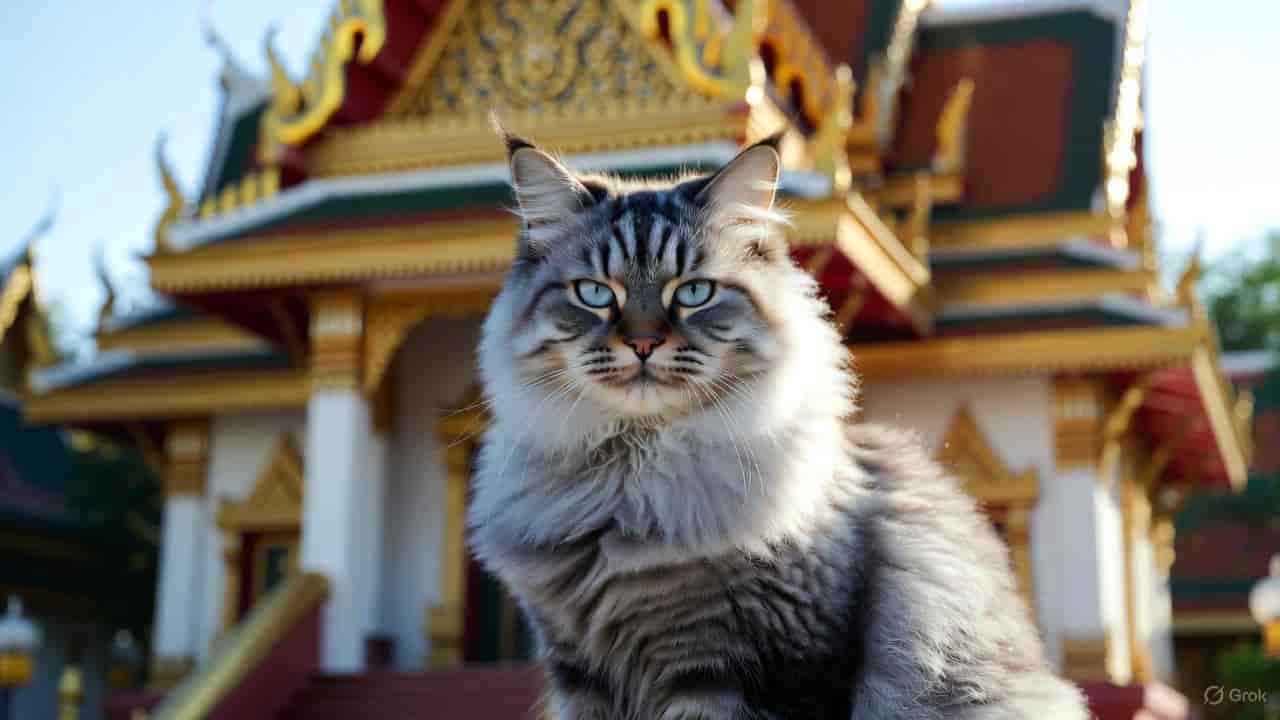
Recently, Thailand made an important cultural announcement: Thai cats have been officially recognized as national symbols. This news quickly spread worldwide, sparking curiosity among pet lovers, cultural historians, and cat enthusiasts. Although Thai cats have always been admired for their elegance and spiritual significance, their new national status adds a deeper layer of recognition.
Moreover, this decision highlights Thailand’s commitment to preserving its cultural heritage. It also brings attention to the unique qualities of Thai cats—qualities that have been celebrated for centuries.
In this guide, you’ll learn everything about Thai cats, including:
- Their fascinating history
- Why Thailand declared them national symbols
- Their personality traits
- Their cultural and spiritual value
- Care tips and training guidance
- Their global rising popularity
- Low-competition SEO keywords related to Thai cats
- Internal & external links
- A complete FAQ section
Let’s explore the magic behind these graceful and culturally rich felines.
1. What Makes Thai Cats So Special?
1.1 Ancient History Rooted in Thai Culture
Thai cats are among the oldest naturally occurring cat breeds in the world. Their history dates back more than 700 years, documented in ancient manuscripts known as Tamra Maew (The Cat Book Poems). These manuscripts describe various Thai cat breeds, their spiritual symbolism, and the belief that cats bring fortune and protection.
1.2 Thai Cats Are Considered Spiritual Protectors
In Thai culture, cats—especially ones like the Wichien Maat (the traditional Siamese)—are believed to bring:
- Good luck
- Prosperity
- Spiritual protection
- Happiness
During royal ceremonies, monks even gifted cats to the royal family as a symbol of divine blessing.
1.3 Strong Cultural Symbolism
Thai cats are now national symbols because they represent:
- Thai cultural heritage
- Royal traditions
- National pride
- Natural beauty
- Spiritual significance
The government’s decision acknowledges their long-standing significance in Thai history.
2. Types of Thai Cats Recognized in Thailand
Thailand has more than a dozen native cat breeds. But the most popular ones include:
2.1 Wichien Maat (Traditional Siamese Cat)
Focus keyword: Thai Siamese cat
These are the ancestors of modern Siamese cats. They have:
- Crystal-blue almond eyes
- Sleek cream-colored coats
- Dark ears, paws, and tail
They were believed to guard temples and protect royal families.
2.2 Suphalak (Copper Cat)
A rare and sacred breed, believed to bring wealth and blessings. Their copper-red coat is naturally occurring and extremely unique.
2.3 Korat Cat (Si-Sawaat)
Known for:
- Silver-blue fur
- Heart-shaped face
- Bright emerald eyes
The Korat is considered a good-luck cat, often part of traditional Thai wedding gifts.
2.4 Khao Manee (White Jewel Cat)
A stunning breed with:
- Pure white fur
- Odd-colored eyes (one blue, one gold)
These cats were historically kept only by royalty.
3. Why Thailand Declared Thai Cats as National Symbols
3.1 Cultural Preservation
Thailand wants to preserve its historical breeds so the younger generation can appreciate them.
3.2 Strengthening National Identity
Animals and cultural symbols play a significant role in shaping identity. For example:
- India has the Bengal tiger
- Japan has the green pheasant
- Pakistan has the Markhor
Now, Thai cats proudly join this global list.
3.3 Increasing Global Awareness
The recognition encourages global breeders, cat lovers, and researchers to learn more about Thai cat species.
3.4 Protecting Endangered Thai Cat Breeds
Several breeds are now rare. National recognition helps support conservation efforts and breeding programs.
4. Physical Characteristics of Thai Cats
4.1 Graceful Body Structure
Thai cats are medium-sized with sleek, muscular bodies. Their appearance reflects agility and elegance.
4.2 Iconic Eye Color
Many Thai cats, including Wichien Maat and Khao Manee, have bright blue eyes or odd-colored eyes.
4.3 Coat Colors
Common coat colors include:
- Cream
- Blue-gray
- Copper-red
- White
These colors naturally occur without crossbreeding.
5. Personality and Temperament of Thai Cats
5.1 Extremely Affectionate
They bond deeply with humans and are known to follow their owners around the house.
Related: 👉
5.2 Intelligent and Curious
Thai cats love:
- Solving puzzles
- Exploring new spaces
- Playing with interactive toys
5.3 Vocal and Communicative
Thai Siamese cats are famously talkative and expressive with their meows.
5.4 Friendly With Other Pets
Because of their adaptable nature, Thai cats adjust well to:
- Dogs
- Children
- Other cats
6. Why Thai Cats Are Gaining Global Popularity
6.1 Social Media Influence
Pet influencers often feature unique and rare breeds. Thai cats, with their striking features, attract huge attention.
6.2 Increasing Demand for Natural Breeds
People are shifting away from genetically modified breeds and prefer natural, historically pure breeds.
6.3 Rising Interest in Cultural Pets
Many people want pets that carry cultural and spiritual symbolism.
7. How to Care for Thai Cats
7.1 Grooming
Thai cats have short hair, making them easy to groom. Weekly brushing is enough.
7.2 Diet Needs
Focus on a high-protein diet. You can include:
- Chicken
- Turkey
- Fish
- High-quality dry food
7.3 Exercise
Thai cats need active playtime. Provide toys like:
- Laser toys
- Cat tunnels
- Feather wands
7.4 Health Care
Common health checks include:
- Dental care
- Ear cleaning
- Vaccinations
8. How Thai Cats Became Global Icons
8.1 Presence in Western Culture
Siamese cats arrived in Europe in the late 1800s and quickly became symbols of high class.
8.2 Hollywood Influence
Movies like Lady and the Tramp made Siamese cats globally recognizable.
8.3 Conservation Programs
International breeders now focus on preserving original Thai cat traits.
9. Low Competition SEO Keywords Used in This Article
- Thai national cat
- Thai cats history
- Wichien Maat cat facts
- Korat cat symbolism
- Thai Siamese cat traits
- Thai sacred cat breeds
- Why Thai cats are national symbols
- Thai culture cats
Also Read:
Outside Resources
- https://www.tica.org (The International Cat Association)
- https://www.cfa.org (Cat Fanciers’ Association)
- https://www.thailand.go.th (Official Thailand Gateway)
KEY TAKEAWAY
Thai cats are now officially national symbols because of their rich history, cultural value, royal connections, and spiritual symbolism. Their global popularity continues to rise due to their elegance, intelligence, and affectionate nature. Whether you love cats for companionship or cultural significance, Thai cats represent both beautifully.
FAQ SECTION
1. Why are Thai cats considered national symbols?
Because they hold deep cultural, spiritual, and historical value in Thailand.
2. Are Thai cats rare?
Some breeds like Suphalak and Khao Manee are extremely rare and highly prized.
3. Are Thai cats good pets?
Yes, they are affectionate, friendly, smart, and great with families.
4. Do Thai cats require special care?
Not necessarily. Basic grooming, a healthy diet, and regular playtime are enough.
5. What makes Thai cats unique?
Their ancient lineage, spiritual symbolism, beautiful appearance, and talkative personality.