The Ultimate Guide to the 10 Best Pet Birds for New Owners & Lovers
Introduction
If you’re thinking about bringing a pet bird into your home, you’re making a wonderful decision. Birds are intelligent, social, colorful, and surprisingly easy to care for—especially once you know which species are best for beginners. However, choosing the right bird matters a lot because every species has a unique personality, care routine, noise level, and lifespan.
In this complete guide to the 10 best types of pet birds, you’ll learn:
- Which birds are easiest to care for
- Which species are best for families and children
- Which birds are best for apartments
- Which birds talk the most
- Which birds need low, medium, or high maintenance
- How to choose the perfect bird based on your lifestyle
Let’s dive right into the world of pet birds.
1. Budgerigar (Budgie / Parakeet)
Best For: Beginners, families, apartment living
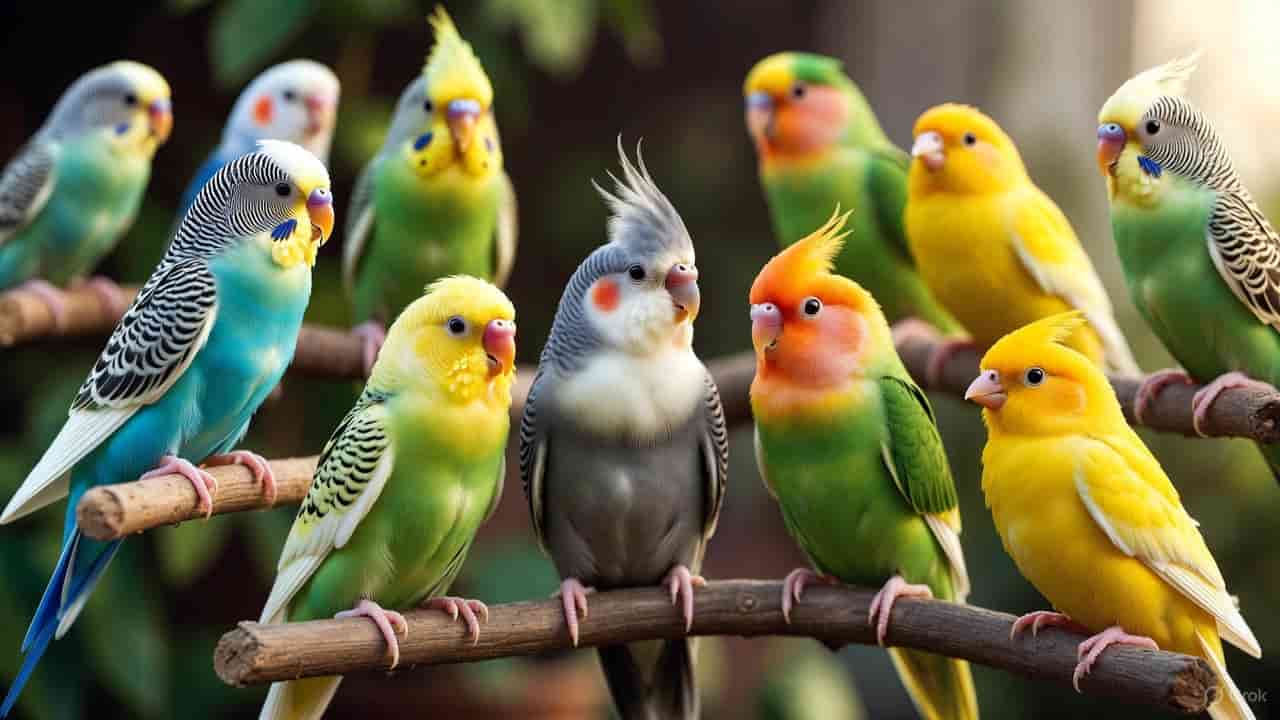
The Budgerigar, often called a Budgie, is one of the most popular pet birds in the world—and for good reason. Budgies are tiny, charming, playful, and highly intelligent. They are also one of the most affordable birds to keep.
Why Budgies Are Great Pets
Budgies are naturally friendly and enjoy socializing with humans. With regular talking and training, Budgies can even learn up to hundreds of words.
Key Characteristics
- Size: Small
- Lifespan: 7–12 years
- Noise Level: Low to moderate
- Care Level: Easy
- Talking Ability: Excellent for their size
What Makes Them Ideal
Budgies don’t require large cages or complex diets. They thrive on basic bird pellets, seeds, fruits, and vegetables. Furthermore, they adapt well to small apartments, making them perfect for people with limited space.
2. Cockatiel
Best For: Beginners who want a gentle, affectionate bird
Cockatiels are among the most affectionate and calm pet birds you can own. Originating from Australia, these birds are known for their charming crests, sweet whistles, and loving personalities.
Why Cockatiels Are Special
Cockatiels bond deeply with their owners. They often perch on shoulders, seek head scratches, and respond positively to human interaction.
Key Characteristics
- Size: Small to medium
- Lifespan: 15–20 years
- Noise Level: Moderate (soft whistles)
- Care Level: Easy to moderate
- Talking Ability: Good whistlers
Perfect For Families
Because they are gentle and not overly loud, Cockatiels are ideal for children and first-time bird owners.
3. Lovebirds
Best For: People looking for social and active birds
Despite their name, Lovebirds do not require a pair to stay happy—although they do enjoy companionship. These tiny, vibrant parrots are full of personality and energy.
Why Lovebirds Stand Out
They’re playful and enjoy chewing toys, climbing ropes, or exploring new spaces. Lovebirds are vocal but not too loud, making them suitable for small homes.
Key Characteristics
- Size: Small
- Lifespan: 10–15 years
- Noise Level: Medium
- Care Level: Moderate
- Talking Ability: Limited
Great for Active Homes
If you want an interactive, curious bird that will keep you entertained with its funny antics, Lovebirds are a top choice.
4. African Grey Parrot
Best For: Experienced owners seeking highly intelligent talking birds
The African Grey Parrot is often considered the smartest talking bird in the world. They mimic voices, sounds, alarm clocks, and even conversations with stunning accuracy.
Why African Greys Are Unique
These birds don’t just mimic—they understand. Their cognitive abilities are often compared to a 5-year-old child.
Key Characteristics
- Size: Medium
- Lifespan: 40–60 years
- Noise Level: High
- Care Level: High
- Talking Ability: Outstanding
Perfect For Serious Bird Keepers
Because African Greys require mental stimulation and emotional bonding, they are ideal for dedicated owners who can give them proper time.
5. Parrotlet
Best For: People wanting a “tiny parrot” with a huge personality
Parrotlets are often described as “big parrots in a small body.” They may look small, but they are bold, entertaining, and sometimes cheeky.
Why Parrotlets Are Amazing
Their playful nature and surprising intelligence make them wonderful pets. Even though they are tiny, Parrotlets can learn tricks and even talk.
Key Characteristics
- Size: Very small
- Lifespan: 15–20 years
- Noise Level: Low
- Care Level: Easy to moderate
- Talking Ability: Good for their size
Good for Quiet Homes
Because they aren’t loud, Parrotlets suit apartments and quiet households.
6. Conure (Green-Cheeked Conure)
Best For: People wanting a fun, goofy, and affectionate bird
Green-cheeked Conures are extremely playful and love hanging upside down or cuddling inside hoodies. They are quieter than most conures, making them excellent pets.
Why Conures Are Popular
Their funny and loving personalities make them one of the best pet birds for interactive homes.
Key Characteristics
- Size: Small to medium
- Lifespan: 20–30 years
- Noise Level: Moderate
- Care Level: Moderate
- Talking Ability: Limited
Perfect for Active Owners
Conures are ideal if you want a bird that actively engages in playtime.
7. Canary
Best For: People wanting a quiet, independent bird
Canaries are perfect for anyone who prefers a more “watch and enjoy” pet bird. These beautiful birds are known for their melodic singing and good nature.
Why Canaries Are So Peaceful
Canaries like their own space and don’t require extensive handling. They are quiet, gentle, and extremely low-maintenance.
Key Characteristics
- Size: Small
- Lifespan: 8–10 years
- Noise Level: Low to medium
- Care Level: Very easy
- Talking Ability: None
Ideal for Busy People
Canaries are great if you want a bird that isn’t demanding and doesn’t require a lot of daily interaction.
8. Finch
Best For: Bird lovers who want multiple birds in one cage
Finches are delicate, energetic, and very social with their own kind. They thrive best in pairs or groups.
Why Finches Are Perfect
Their soft chirping, colorful bodies, and lively movements make them soothing to watch.
Key Characteristics
- Size: Small
- Lifespan: 5–9 years
- Noise Level: Low
- Care Level: Very easy
- Talking Ability: None
Great for Aviary Setups
Finches love roomy cages and group living, making them ideal for people who enjoy observing natural bird behavior.
9. Quaker Parrot (Monk Parakeet)
Best For: Owners looking for smart, talkative birds
Quaker Parrots talk exceptionally well and form deep bonds with their owners. They are known for their playful behavior and impressive mimicry.
Why Quakers Are Amazing
They are one of the best talking birds, even better than some large parrots.
Key Characteristics
- Size: Medium
- Lifespan: 20–30 years
- Noise Level: Medium
- Care Level: Moderate
- Talking Ability: Excellent
Great for Interactive Homes
If you want a bird that talks, learns tricks, and bonds deeply, Quaker Parrots are perfect.
10. Macaw
Best For: Experienced owners with time, space, and commitment
Macaws are large, majestic, colorful parrots that are incredibly intelligent and affectionate. They require commitment, but they are unforgettable companions.
What Makes Macaws Special
They form lifetime bonds, learn tricks, speak well, and even display human-like emotions.
Key Characteristics
- Size: Large
- Lifespan: 40–80 years
- Noise Level: High
- Care Level: Difficult
- Talking Ability: Very good
For Serious Bird Enthusiasts
If you can commit to long-term care, Macaws are one of the most rewarding bird species to keep.
How to Choose the Best Pet Bird for Your Lifestyle
Choosing the right bird means understanding your lifestyle and needs. Consider the following:
1. Noise Level
If you live in an apartment, choose quiet birds like:
- Finch
- Canary
- Parrotlet
- Budgie
2. Maintenance Level
Low-maintenance birds include:
- Canary
- Finch
- Budgie
3. Talking Ability
Best talkers:
- African Grey
- Quaker Parrot
- Budgie
- Macaw
4. Family-Friendly Choices
Great for kids:
- Cockatiel
- Budgie
- Lovebird
5. Space Requirements
Small spaces: Budgie, Parrotlet, Finch
Large spaces: Macaw, African Grey
Also Read 👉
- Read Next: Top 10 Traveling Cat Breeds for Adventurous Pet Owners
- Also Read: 7 Best Long-Bodied Cat Breeds for Your Home
- Related: Affordable Bengal Alternative
Helpful Resources
Key Takeaway Box
The best types of pet birds depend on your lifestyle.
If you need a quiet, low-maintenance bird, consider a Finch or Canary. For talking and high intelligence, go for an African Grey or Quaker Parrot. Families and beginners often love Budgies and Cockatiels. Choose a bird not just for looks—but for compatibility with your daily routine.
People Also asked (FAQ)
1. What is the easiest pet bird to care for?
Budgies, Finches, and Canaries are considered the easiest birds for beginners.
2. Which birds can talk the most?
African Greys, Quaker Parrots, and Budgies are among the best talking birds.
3. Are pet birds good for children?
Yes. Cockatiels and Budgies are gentle, social, and great for kids.
4. What is the quietest pet bird?
Canaries and Finches are the quietest pet birds.
5. Which bird lives the longest?
Macaws and African Greys can live 40–80 years with proper care.
6. Do pet birds smell?
No. Birds are naturally clean as long as their cages are kept tidy.