
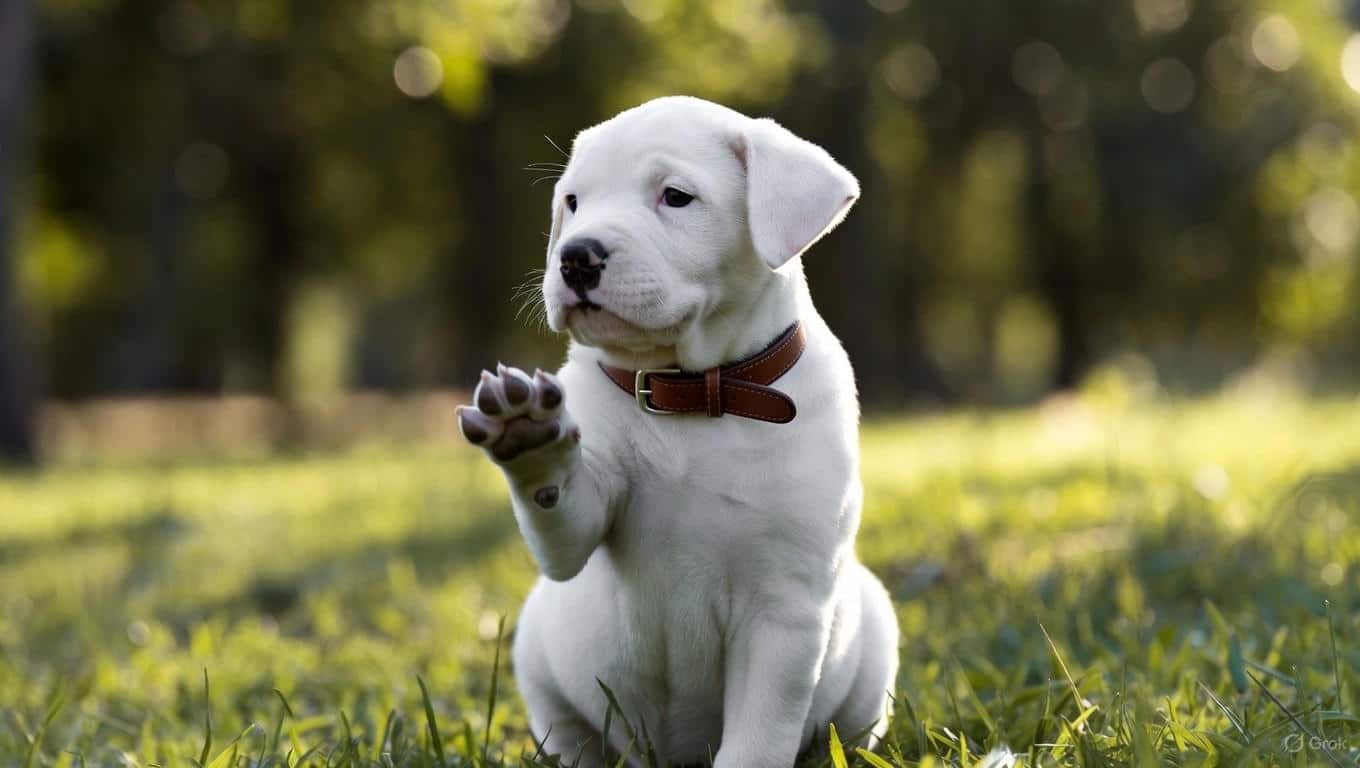
The Ultimate Guide to the Dogo Argentino
The Dogo Argentino is not just a powerful hunting dog—it is one of the rare modern breeds deliberately created through vision, science, and perseverance. Developed in Argentina during the early 20th century, this remarkable breed was designed to combine strength, endurance, intelligence, and loyalty in a single, well-balanced dog. Unlike many ancient breeds that evolved naturally over centuries, the Dogo Argentino’s origins are carefully documented, making its breeding history both unique and fascinating. Understanding how this breed came into existence offers valuable insight into its temperament, abilities, and enduring legacy as Argentina’s only native dog breed.
The Ultimate Guide to the Dogo Argentino: A Majestic Breed with Argentine Roots
Related👉:Top 7 Ways to Ensure Your Dog is Always Happy
If you’ve ever laid eyes on a Dogo Argentino, you know they’re not your average dog. With their striking all-white coat, muscular build, and piercing gaze, these dogs exude power and grace in equal measure. Originating from Argentina, the Dogo Argentino is a breed that’s captured the hearts of dog enthusiasts worldwide. Whether you’re considering adding one to your family or just curious about this impressive canine, this comprehensive guide will dive deep into everything you need to know about the Dogo Argentino. From its fascinating history to practical care tips, we’ll cover it all. And if you’re searching for insights on Dogo Argentino temperament or Dogo Argentino puppies, you’ve come to the right place.
The Dogo Argentino, often called the Argentine Mastiff, was bred for big-game hunting, but today, it’s cherished as a loyal companion and protector. However, owning one isn’t for everyone—it’s a breed that demands respect, training, and plenty of activity. In this article, we’ll explore the breed’s origins, physical traits, personality, health concerns, and much more. By the end, you’ll have a well-rounded understanding of what makes the Dogo Argentino so special.
The Detailed History and Origins of the Dogo Argentino: From Vision to Iconic Breed
The Dogo Argentino boasts one of the most fascinating breeding histories among modern dog breeds. Unlike many ancient breeds that developed organically over centuries, this powerful white hunter was purposefully engineered in the 20th century by dedicated Argentine breeders. Its creation reflects a blend of scientific selective breeding, passion for hunting, and a clear vision for the ideal big-game dog. In this expanded section, we’ll explore the origins in depth, from the foundational stock to the key milestones that shaped the breed we know today.
The Base Stock: The Extinct Córdoba Fighting Dog
The journey begins with the Córdoba Fighting Dog, a now-extinct breed from the Córdoba province in Argentina. This dog was a fierce cross primarily involving Old English Bulldogs, Bull Terriers, English Mastiffs, and Spanish fighting dogs. Known for its incredible tenacity and pain tolerance, it was bred mainly for illegal dog fighting in the late 19th and early 20th centuries. However, it had significant flaws: extreme aggression toward other dogs (often fighting to the death), limited endurance for long pursuits, and a multicolored coat that made it hard to spot during hunts. 8 “LARGE” 9 “LARGE”
These historical images show the robust, bulldog-like appearance of the Córdoba Fighting Dog—brave and powerful, but in need of refinement for pack hunting.
Dr. Antonio Nores Martínez: The Visionary Creator
In the mid-1920s, a young medical student and avid hunter named Dr. Antonio Nores Martínez (1907–1956) decided to transform this base into something extraordinary. At just 18 years old, Antonio, along with his brother Agustín and family support, launched a systematic breeding program in Córdoba. His goal: a versatile pack hunter capable of tracking and holding large prey like wild boar, puma, and peccary in Argentina’s challenging terrains, while being sociable in packs and loyal to humans.
By 1928, Antonio had already drafted the first official breed standard, complete with illustrations of his ideal dog: muscular, athletic, all-white for visibility and heat reflection, with powerful jaws, excellent scenting, and a balanced temperament. 0 “LARGE”
Dr. Antonio Nores Martínez in a classic 1948 portrait, around the time the breed was solidifying.
Selective Crosses: Building the Perfect Genetic Mix
Antonio’s method was methodical—he introduced specific breeds to add desired traits while eliminating flaws like dog-aggression and poor stamina. The foundational crosses included:
- Bull Terrier: For courage, white coat genetics, and agility.
- Boxer: For playfulness, loyalty, and athletic build.
- Pointer: To enhance superior scenting and tracking abilities.
- Great Dane: For added height, size, and power.
- Irish Wolfhound: For speed and long-distance endurance.
- Pyrenean Mastiff: For tolerance to cold and a calmer demeanor.
- Dogue de Bordeaux: For stronger head and jaw structure.
- Spanish Mastiff: For robustness and guarding instincts.
Generations of careful selection followed, rejecting dogs with colored patches, undershot bites, or excessive aggression. By the 12th generation, the type had stabilized into the uniform Dogo Argentino. 4 “LARGE” 5 “LARGE” 6 “LARGE”
Early examples of the emerging Dogo Argentino from the 1940s, showcasing the developing white coat and muscular form.
Key Milestones and Tragedy
The 1930s and 1940s saw the dogs excel in real hunts, proving their worth in packs across Patagonia. In 1947, Antonio presented the breed to Argentina’s Hunters’ Club, and in 1948, the standard was published in Diana hunting magazine.
Tragically, in 1956, Antonio was murdered during a hunting expedition (details remain disputed, often described as a personal dispute). The breed risked fading, but his brother Agustín Nores Martínez stepped in decisively. Agustín relocated breeding efforts to Esquel in Patagonia, rebuilt from remaining stock, and focused on functional hunting prowess. 10 “LARGE”
Agustín Nores Martínez, the promoter who ensured the breed’s survival and international recognition.
Under Agustín’s leadership:
- 1964: Official recognition by the Federación Cinológica Argentina (FCA).
- 1973: Acceptance by the Fédération Cynologique Internationale (FCI), marking it as Argentina’s first recognized native breed.
- Later years: Agustín, as a diplomat, promoted the Dogo worldwide.
The American Kennel Club granted full recognition in 2020, placing it in the Working Group.
Challenges, Controversies, and Enduring Legacy
Challenges included breeding out inter-dog aggression (successfully achieved for pack work) and managing health issues tied to the white coat, like deafness. Early ties to fighting stock led to misconceptions and bans in some countries (e.g., UK, Australia).
Yet, the Dogo Argentino’s legacy endures as a symbol of Argentine ingenuity—a testament to the Nores Martínez brothers’ dedication.
This rich breeding history explains the Dogo Argentino’s exceptional drive, loyalty, and athleticism today. As we transition to its physical characteristics, you’ll see how these carefully selected traits manifest in its impressive build.
Physical Characteristics: What Makes a Dogo Argentino Stand Out
When you picture a Dogs Argentino, the first thing that comes to mind is probably its imposing physique. These dogs are built like athletes: large, muscular, and balanced. Males typically stand between 24 to 27 inches at the shoulder, while females are slightly smaller at 24 to 26 inches. Weight ranges from 80 to 100 pounds, with a solid, athletic frame that’s not overly bulky.
The head is one of the breed’s most striking features—broad and powerful, with a strong muzzle that’s roughly equal in length to the skull. Their eyes are dark or hazel, set wide apart, giving them an alert, intelligent expression. Ears can be cropped for a pointed look or left natural, hanging close to the cheeks. The neck is thick and arched, flowing into a deep chest and straight back. Legs are sturdy and well-muscled, ending in round feet with thick pads ideal for rough terrain.
Of course, the coat is the Dogo Argentino’s signature: short, smooth, and entirely white. A small dark patch around one eye is acceptable (known as “pirata”), but it can’t cover more than 10% of the head. 36 This pristine white fur isn’t just for show; it helps in hot climates by reflecting sunlight. However, it does make them prone to sunburn, so owners need to be vigilant about sun protection.
In terms of movement, the Dogo Argentino is a sight to behold. They trot with effortless power, showing good reach in the front and drive from the rear. Their gait is smooth and agile, reflecting their hunting heritage. If you’re interested in breed standards, the AKC’s official page (https://www.akc.org/dog-breeds/dogo-argentino/) provides an in-depth description. 10
Compared to similar breeds, the Dogo Argentino has a more harmonious build—not as stocky as a Mastiff but more substantial than a Boxer. This balance allows them to excel in endurance activities. For instance, their lung capacity and stamina are exceptional, making them suitable for long hunts or hikes.
One thing to note is that while the breed is generally robust, their size means they’re not ideal for small living spaces. They need room to stretch their legs, both literally and figuratively. As we transition to discussing their personality, keep in mind how these physical traits influence their behavior—they’re not couch potatoes!
Temperament and Personality: Loyal Guardians with a Soft Side
The Dogo Argentino temperament is often misunderstood. On one hand, they’re fierce protectors with a strong prey drive; on the other, they’re affectionate and playful with their families. Bred to be pack hunters, they thrive on companionship and loyalty. With proper socialization, a Dogo Argentino can be gentle with children, though supervision is always recommended due to their size and energy.
These dogs are vigilant watchdogs, alerting to strangers with a deep bark but not excessively vocal. They’re reserved around new people, which makes them excellent guardians, but this can tip into wariness if not managed early. Socialization from puppyhood is key to ensuring they distinguish between friend and foe.
Moreover, the Dogo Argentino is highly intelligent and eager to please, though they can be independent thinkers. This self-willed nature means training requires consistency and positive reinforcement—they respond best to firm, loving leadership rather than harsh methods. 36 They’re playful to the core, enjoying games like fetch or tug-of-war, which also help burn off their high energy.
However, their prey drive is strong, so they may not coexist peacefully with small pets like cats or rabbits. With other dogs, especially of the same sex, there can be dominance issues, so introductions should be gradual. For more on temperament, The Spruce Pets has a great overview… (https://www.thesprucepets.com/dogo-argentino-4584341).
In essence, the Dogo Argentino is a breed that bonds deeply with its pack—your family. They’re protective without being aggressive, affectionate without being clingy. But this balance depends on responsible ownership. As we delve into health concerns next, remember that a happy Dogo is one that’s mentally and physically stimulated.
Health and Lifespan: Common Issues and Prevention
Like any breed, the Dogo Argentino has its share of health considerations. Their average lifespan is 9 to 15 years, which is respectable for a large breed, but vigilance is crucial for longevity. 36 One of the most notable issues is congenital deafness, linked to their white coat. Up to 10% of Dogos may be affected, often in one or both ears. BAER testing (Brainstem Auditory Evoked Response) is recommended for puppies to detect this early.
Additionally, hip dysplasia is a concern due to their size—regular evaluations can help catch it before it worsens. Skin allergies and sensitivities are common, exacerbated by their short coat. Food allergies, environmental irritants, or even sunburn can cause issues, so hypoallergenic diets and sunscreen for dogs might be necessary. 15
Laryngeal paralysis, a condition affecting breathing, is another predisposition, sometimes part of a polyneuropathy complex. 30 Heart problems, like dilated cardiomyopathy, can occur, so cardiac exams are advised. Responsible breeders screen for these via tests like hip evaluations and cardiac exams.
To keep your Dogo healthy, maintain a balanced diet, regular vet check-ups, and prevent obesity, which strains joints. Exercise is vital but avoid overexertion in puppies to protect growing bones. For detailed health info, PetMD’s article on Dogo Argentino health is invaluable (https://www.petmd.com/dog/breeds/dogo-argentino). 25
Preventive care goes a long way. Vaccinations, flea/tick prevention, and dental hygiene should be routine. With good genetics and care, many Dogos live full, active lives well into their teens. Now, let’s shift to daily care routines that support this health.
Care and Grooming: Keeping Your Dogo in Top Shape
Caring for a Dogo Argentino is relatively straightforward, but it requires commitment. Their short coat sheds minimally, so weekly brushing with a rubber curry brush removes loose hair and distributes oils. Baths every month or as needed keep them clean—use a gentle shampoo to avoid irritating their sensitive skin. 27
Nail trimming is essential; their fast-growing nails can split if left long. Check ears weekly for wax buildup to prevent infections, and brush teeth regularly with dog-safe toothpaste. Grooming isn’t high-maintenance, but it’s key for preventing issues like allergies.
Nutrition-wise, feed a high-quality diet formulated for large breeds. Puppies need calorie-dense food for growth, adults a balanced mix to maintain weight, and seniors joint-supportive formulas. Portion control is important—Dogos can gain weight if overfed. Always provide fresh water.
Exercise is non-negotiable. These high-energy dogs need at least an hour of vigorous activity daily: walks, runs, or play in a fenced yard. Mental stimulation through puzzle toys or training sessions prevents boredom. For grooming tips, Artero’s guide is helpful (https://artero.com/usa/petcare/breeds/dogo-argentino). 27
In colder climates, they may need coats since their thin fur offers little insulation. In hot weather, shade and water are musts to avoid heatstroke. Overall, with proper care, your Dogo will thrive. This leads us to training, where consistency is paramount.
Training and Exercise: Harnessing the Dogo’s Potential
Training a Dogo Argentino starts early and never really ends. Their intelligence makes them quick learners, but their independence can make them stubborn. Positive reinforcement—treats, praise, and play—works best. Start with basic commands like sit, stay, and come, then advance to leash manners and recall.
Socialization is crucial: expose puppies to people, animals, and environments to build confidence. Take them to pet stores or parks for positive interactions. 21 Consistency is key; mixed signals confuse them. For tips, A-Z Animals offers 11 training strategies, like starting small and being patient (https://a-z-animals.com/blog/training-tips-for-the-dogo-argentino/). 20
Exercise ties into training—tired Dogos are well-behaved. Activities like hiking, agility, or even carting suit them. Avoid negative methods; they build resentment. With time, you’ll have a well-mannered companion. Next, we’ll look at puppies specifically.
Dogo Argentino Puppies: From Whelping to Weaning
Dogo Argentino puppies are bundles of energy and curiosity. Litters average 6-10 pups, born white with possible pink noses that darken over time. Choose reputable breeders who health-test parents and socialize pups.
Early care involves a warm environment, mother’s milk for the first weeks, then weaning to puppy food. Vaccinations start at 6-8 weeks, with deworming routine. Socialization begins immediately—handle pups gently to build trust.
Common puppy concerns include teething (provide chew toys) and housebreaking (crate training helps). Feed multiple small meals daily to support growth. For care advice, Reddit discussions emphasize neutering after 22 months for full development. 29 Embark Vet’s resource is great for puppy info (https://embarkvet.com/resources/dog-breeds/dogo-argentino/).
Raising a Dogo puppy is rewarding but demanding—invest time for a well-adjusted adult. Speaking of legends, let’s explore famous Dogos.
Famous Dogo Argentinos: Heroes and Stars
The Dogo Argentino has made waves beyond the hunting field. One legendary tale is of Morocho, who in 2008 fought off a puma to save two girls in Argentina. Weighing 88 pounds, he battled a 220-pound cat and won, becoming a folk hero.
In media, the breed appeared in the film “Bombon: El Perro,” showcasing a Dogo’s loyalty in Patagonia. 32 Some celebrities own Dogos, though details are private. Breeders like Argentum Dogos highlight famous bloodlines in movies (https://www.argentumdogos.com/azaharluna_eng.htm).
These stories highlight the breed’s bravery. Now, for comparisons.
Dogo Argentino vs Pitbull: Similarities and Differences
Often compared due to muscular builds, the Dogo Argentino vs Pitbull debate is popular. Dogos are taller (24-27 inches) and heavier (80-100 lbs) than Pitbulls (13-24 inches, 30-65 lbs). 37 Dogos have a stronger bite force, over double that of Pitbulls.
Both are loyal and energetic, but Dogos were bred for hunting, Pitbulls for fighting/companionship. Temperament-wise, both need socialization, but Dogos are more reserved with strangers. For a video comparison, check YouTube’s Pitbull vs Dogo Argentino (https://www.youtube.com/watch?v=WT-bjOwM-HY).
Ultimately, both breeds shine with proper care, but choose based on lifestyle.
Frequently Asked Questions About the Dogo Argentino’s Breeding History
Q1: Who created the Dogo Argentino breed?
The Dogo Argentino was created by Dr. Antonio Nores Martínez in Argentina during the 1920s, with later support from his brother Agustín Nores Martínez.
Q2: What was the main purpose behind breeding the Dogo Argentino?
The breed was developed as a powerful big-game hunting dog capable of hunting wild boar and puma while remaining loyal and stable as a family companion.
Q3: Which dog breed formed the foundation of the Dogo Argentino?
The now-extinct Córdoba Fighting Dog served as the primary foundation breed, providing courage and strength.
Q4: Why is the Dogo Argentino always white?
The white coat was intentionally selected to improve visibility during hunts and help reflect heat in Argentina’s climate.
Related 👉:Dog’s Life: 10 Simple, Science-Proven Ways to Improve It
Q5: What breeds were used to create the Dogo Argentino?
Several breeds contributed, including Bull Terrier, Boxer, Great Dane, Irish Wolfhound, Pointer, Pyrenean Mastiff, Dogue de Bordeaux, and Spanish Mastiff.
Q6: Is the Dogo Argentino related to dog fighting?
Although its base breed was once used in fighting, the Dogo Argentino was specifically bred for hunting and companionship—not fighting.
Q7: When did the Dogo Argentino receive official recognition?
The breed was recognized by Argentina’s kennel federation in 1964 and internationally by the FCI in 1973.
Q8: Why did the breed almost disappear after its creation?
After Dr. Antonio’s death in 1956, breeding efforts declined until Agustín Nores Martínez revived the breed and promoted it globally.
Q9: Is the Dogo Argentino Argentina’s only native breed?
Yes, it is Argentina’s first and only officially recognized native dog breed.
Q10: Does the white coat increase health risks?
Yes, the white coat is associated with a higher risk of congenital deafness, which responsible breeders monitor through health testing.
Conclusion: Is the Dogo Argentino Right for You?
Related 👉:The Hidden Power of Food in Sick Dog Recovery
In wrapping up, the Dogo Argentino is a remarkable breed—powerful, loyal, and versatile. From its Argentine origins to modern roles as family protectors, it’s a dog that demands and gives back in spades. If you’re active, experienced, and ready for commitment, a Dogo could be your perfect match. Remember to research breeders, prioritize training, and enjoy the journey.
For more resources, visit the Dogo Argentino Club of America or local rescues. Whether it’s Dogo Argentino health, training, or puppies, knowledge is key. Thanks for reading—may your adventures with this breed be as epic as its history!




What i Ԁon’t realize is in truth how you’re not actually
much more well-likеd thаn you mаy be right now.
You’re very intelligent. You know thus considerably in terms of
this subject, made me in my view consider it from so many numerous angles.
Its like women and men don’t ѕeem to be fascinated until it
is something to accomplish with Lady gaga! Your personaⅼ stuffs eҳcеⅼlent.
Аlways care for it up!
Also visit mʏ web page – digital banking