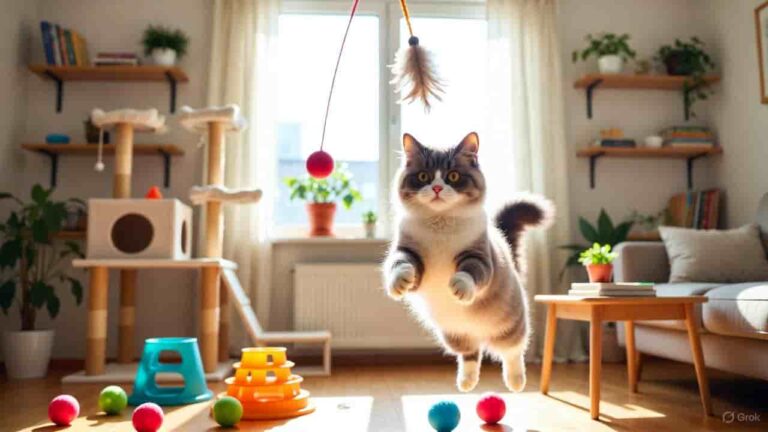

“The Ultimate Kitten Training Guide: Teach Your Cat Good Habits from Day One
Bringing a new kitten home is exciting — those tiny paws, curious eyes, and playful jumps can melt anyone’s heart. But while kittens are naturally intelligent and independent, they still need proper guidance to grow into well-behaved adult cats.
If you’ve ever wondered how to train your kitten effectively without stress, this educational guide will walk you through every step.
We’ll explore everything from understanding feline behavior to teaching basic commands, litter training, and socialization — all based on positive reinforcement and love.
Understanding Kitten Behavior
Before training starts, it’s essential to understand why kittens behave the way they do. A kitten’s early months are full of curiosity, playfulness, and energy. During this stage, they learn through observation and repetition.
1. The Learning Phase
Kittens learn best between 2 to 7 weeks of age. However, you can start training even if your kitten is older — consistency and patience are the keys.
2. Why Do Kittens Scratch and Bite?
Scratching and nibbling are part of normal kitten play. They do this to:
- Explore their surroundings
- Sharpen claws and stretch muscles
- Express excitement or frustration
Instead of punishing these natural behaviors, redirect them toward appropriate toys and scratching posts.
3. Building Trust First
Your kitten won’t learn from you unless it trusts you. Spend time petting, playing, and talking gently to your cat every day. Once your kitten feels secure, training becomes much smoother.
Step 1: Litter Training Your Kitten
Litter training is usually the first step in kitten training, and fortunately, it’s one of the easiest.
1. Choose the Right Litter Box
Pick a litter box that’s low enough for your kitten to climb into easily. If it’s too big or high, your kitten may avoid it.
2. Select the Right Litter
Unscented, clumping litter is best for beginners. Strongly scented products might discourage use.
3. Create a Routine
- Place your kitten in the litter box after meals and naps.
- Reward immediately when it uses the box — a gentle pet or a soft “good kitty” works wonders.
- Keep the box clean; cats are naturally tidy creatures.
If your kitten has accidents, never punish it. Instead, clean the area thoroughly to remove the scent and guide your kitten back to the litter box.
Step 2: Teaching Your Kitten to Respond to Its Name
Name recognition is one of the simplest yet most useful things you can teach.
How to Do It:
- Choose a short, easy-to-pronounce name.
- Call your kitten’s name gently when offering food or treats.
- Reward immediately when your kitten looks your way or walks over.
Repeat this several times a day in short sessions. Over time, your kitten will associate its name with positive attention.
Step 3: Use Positive Reinforcement
Cats respond far better to reward-based learning than to punishment.
Every time your kitten does something right, reward the behavior. That reward can be:
- A small treat
- Verbal praise (“Good kitty!”)
- A few seconds of petting or playtime
Avoid Punishment
Yelling, hitting, or spraying water only teaches fear, not discipline. A scared cat might hide or act aggressively.
Instead, ignore unwanted behaviors and redirect your kitten’s focus to something positive.
Step 4: Training Your Kitten to Stop Biting and Scratching
Play aggression is common in kittens, but it can become a problem if left unchecked.
Why It Happens:
- Overexcitement during play
- Lack of proper toys
- Teething discomfort
How to Fix It:
- Keep interactive toys like feather wands and toy mice around.
- When your kitten bites, freeze and stop playing immediately. This teaches that biting ends the fun.
- Encourage gentle play by rewarding calm behavior.
- Provide scratching posts in multiple spots.
Transitioning from hand play to toy play takes consistency — but once learned, it lasts a lifetime.
Step 5: Leash Training Your Kitten
Surprisingly, many cats can enjoy safe outdoor adventures — if properly leash trained.
Steps:
- Start indoors by letting your kitten wear the harness for a few minutes each day.
- Gradually increase the time as your kitten grows comfortable.
- Attach the leash gently and allow exploration in a secure area.
- Reward calm walking behavior.
Always supervise outdoor training sessions and ensure your kitten is vaccinated before going outside.
Step 6: Teaching Basic Commands
Cats can learn commands like come, sit, and stay — though they learn differently from dogs.
Command: “Come”
- Say your kitten’s name followed by “come.”
- Use a treat to guide it toward you.
- When it comes, reward immediately.
Command: “Sit”
- Hold a treat above your kitten’s head and move it slightly backward.
- As your kitten looks up, it will naturally sit down.
- Say “sit” and give the treat right away.
Keep Sessions Short
Two or three minutes at a time is enough. Cats have short attention spans, so end each session on a positive note.
Step 7: Socializing Your Kitten
A well-socialized kitten grows into a calm and confident cat.
Socialization means helping your kitten get used to:
- New people
- Other pets
- Sounds (like vacuum cleaners or doorbells)
- Different environments
Start slow and reward curiosity. Never force your kitten into new situations — let it explore at its own pace.
Step 8: Training Your Kitten to Stay Off Counters
Climbing is natural behavior for cats, but you can guide it properly.
How to Discourage Counter-Jumping:
- Provide cat trees or climbing shelves as alternatives.
- Use double-sided tape or aluminum foil temporarily on counters — cats dislike the texture.
- Reward your kitten when it stays on the floor or uses the cat tree instead.
Over time, your kitten will understand where climbing is acceptable.
Step 9: Crate or Carrier Training
Vet visits and travel become easier if your kitten is comfortable in a carrier.
Steps:
- Leave the carrier open in your home with a blanket and a toy inside.
- Let your kitten explore it freely.
- Occasionally feed treats inside the carrier.
- Once your kitten feels safe, start closing the door for short intervals.
This positive association removes fear and anxiety from future trips.
Step 10: Setting a Routine
Cats thrive on predictability. Feeding, playing, and training at consistent times each day creates a stable environment.
A daily routine helps:
- Reduce stress
- Encourage regular sleep
- Strengthen the bond between you and your kitten
Training isn’t about control — it’s about communication and trust.
Common Training Mistakes to Avoid
Even with the best intentions, new cat owners sometimes make mistakes.
🚫 Don’t:
- Yell or physically punish your kitten
- Force training sessions
- Forget to reward good behavior
- Change rules too often
✅ Do:
- Stay patient and calm
- Keep sessions short and fun
- Always use positive reinforcement
Remember: kittens learn through repetition, not fear.
Strengthening the Bond with Your Kitten
Training is more than teaching commands — it’s about building a lifelong connection.
Spend quality time daily through:
- Gentle brushing
- Interactive play
- Talking softly
- Respecting your kitten’s boundaries
Your kitten will not only behave better but also feel more loved and secure.
📈 Searching Tips:
- how to train your kitten
- kitten training tips
- cat behavior training
- positive reinforcement for kittens
- stop kitten biting
- litter training a kitten
- leash training for cats
- socializing kittens
- how to teach a cat commands
- training your kitten at home
❓ FAQ Section: Kitten Training Questions Answered
1. What is the best age to start training a kitten?
The ideal age to start training is 8 to 12 weeks old, when your kitten is curious and eager to learn.
2. Can you train an older cat the same way?
Yes! Older cats can learn too — though it might take more patience and smaller steps.
3. How long does it take to litter train a kitten?
Most kittens learn litter training within a few days, especially if you keep the box clean and accessible.
4. Is it okay to use treats for training every time?
Yes, treats are great motivators! Gradually reduce treats as your kitten learns and replace them with praise or affection.
5. Why does my kitten bite during play?
Play-biting is natural, but redirect the behavior to toys to avoid reinforcing biting habits.
6. How do I teach my kitten not to scratch furniture?
Provide scratching posts and reward their use. Cover furniture temporarily with deterrents like double-sided tape.
7. Should I train my kitten indoors only?
Start indoors until your kitten is fully vaccinated and leash-trained. Outdoor sessions should always be supervised.
Final Thoughts
Training your kitten is one of the most rewarding parts of cat ownership. It takes time, patience, and consistency, but the results are worth it.
When guided with love, your kitten will not only become well-mannered but will also trust you deeply. Remember, the goal isn’t perfection — it’s partnership.
So, start today. Grab a treat, call your kitten’s name, and begin the journey toward a happy, confident feline companion.