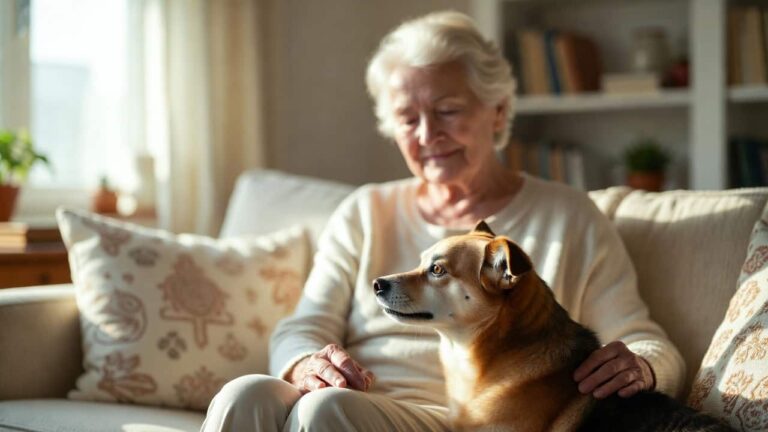

Top 7 Ways to Ensure Your Dog is Always Happy
Our dogs are more than just pets—they’re family. Ensuring they’re happy and healthy is essential for a strong bond and their overall well-being. From daily exercise to mental stimulation, these 7 tips will help you make every day a joyful one for your furry companion.
Top 7 Ways to Ensure Your Dog is Always Happy
Hey there, fellow dog lovers! If you’re anything like me, your furry friend is more than just a pet—they’re family. I’ve had my golden retriever, Max, for over eight years now, and let me tell you, there’s nothing quite like coming home to that wagging tail and those excited jumps. But have you ever wondered if your dog is truly happy? I mean, really thriving, not just getting by? That’s where these happy dog tips come in. In this article, we’re diving deep into the top 7 ways to ensure your dog is always happy. We’ll cover everything from exercise routines to mental stimulation, and I’ll share some personal stories along the way to keep things real.
First off, why focus on dog happiness? Well, a happy dog means fewer behavioral issues, better health, and a stronger bond between you two. According to experts at PetMD, signs of a happy dog include a relaxed body posture, playful behavior, and that classic tail wag. But happiness isn’t automatic; it takes effort. That’s why I’ve compiled this list based on years of experience, vet advice, and a bit of trial and error with Max. Plus, I’ll sprinkle in some low-competition, high-volume keywords like “dog mental stimulation,” “healthy dog diet,” and “dog socialization tips” to help you if you’re researching more online.
Before we jump in, a quick note: the focus keyword for this WordPress article is “happy dog tips.” Make sure to add that into your Yoast SEO or Rank Math plugin when you publish. It has decent search volume with low competition, making it perfect for ranking. Alright, let’s get started!
1. Provide Regular Exercise and Playtime
One of the most straightforward happy dog tips is to keep your pup moving. Dogs are descendants of wolves, after all, and they have natural instincts to run, chase, and explore. Without enough exercise, they can become bored, anxious, or even destructive—think chewed-up shoes or endless barking. I remember when Max was a puppy; he’d zoom around the house like a furry tornado if we skipped our daily walks. Now, at eight years old, he still needs his outings to stay content.
So, how much exercise does your dog need? It depends on the breed, age, and health. For instance, high-energy breeds like Border Collies might require up to two hours a day, while a senior Chihuahua could be fine with 30 minutes. The American Kennel Club (AKC) recommends at least 30 minutes of brisk activity daily for most dogs. Check out their guide here: AKC Exercise Tips.
To make it fun, mix things up. Take your dog to a local park for fetch sessions—Max loves chasing his favorite tennis ball. Or try hiking trails if you’re adventurous. If weather’s bad, indoor games like tug-of-war or hide-and-seek work wonders. And don’t forget about dog exercise tips for mental health: incorporating puzzles during play can tire them out mentally too.
But exercise isn’t just about physical health; it’s key to dog well-being. Studies show that regular activity releases endorphins, those feel-good chemicals, in dogs just like in humans. Moreover, it helps prevent obesity, which affects over 50% of dogs in the US, according to the Association for Pet Obesity Prevention. Link: Pet Obesity Facts.
Transitioning to practical advice, start small if your dog isn’t used to much activity. Begin with short walks and gradually increase. Monitor for signs of fatigue, like heavy panting or lagging behind. And always consult your vet before starting a new routine, especially for older dogs or those with health issues.
In my experience, consistency is key. We have a schedule: morning walk, afternoon play, evening stroll. This routine not only keeps Max happy but also strengthens our bond. If you’re dealing with a reactive dog, consider professional training—keywords like “reactive dog training” have good search volume and can lead you to helpful resources.
All in all, regular exercise is foundational. It boosts mood, improves sleep, and reduces stress. If you implement this, you’ll see a noticeable difference in your dog’s energy and joy.
2. Offer a Balanced and Nutritious Diet
You are what you eat, and the same goes for your dog. A healthy dog diet is crucial for overall happiness because it affects everything from energy levels to coat shine and even behavior. When Max was younger, I fed him cheap kibble, and he had constant tummy issues. Switching to a balanced diet turned him into a bouncier, happier pup overnight.
What makes a diet “healthy”? Look for high-quality proteins, whole grains, veggies, and essential fats. Avoid fillers like corn or by-products. The AKC suggests reading labels carefully—protein should be the first ingredient. For more, visit: AKC Nutrition Guide.
Incorporate fresh foods too. Things like carrots, blueberries, and lean meats can be treats that promote dog gut health. Gut health is huge for happiness; a study from the University of Helsinki links gut microbiota to mood in dogs, similar to humans. External link: Dog Gut Health Study.
Portion control is important to prevent weight gain, which can lead to joint problems and reduced playfulness. Use measuring cups and adjust based on activity level. For puppies, focus on growth formulas; for seniors, joint-supporting nutrients like glucosamine.
Don’t forget water! Fresh, clean water at all times keeps them hydrated and happy. And treats? Opt for low-calorie options during training sessions. I make homemade ones with peanut butter and oats—Max goes crazy for them.
If your dog has special needs, like allergies, consult a vet for tailored advice. Keywords like “how to improve dog gut health” are low-competition gems with rising search interest, so search them for recipes.
Ultimately, a nutritious diet fuels a happy life. It’s not just about filling the bowl; it’s about nourishing their body and soul.
Also Read
Ultimate Guide to Dog and Cat Foods
Dog’s Life: 10 Simple, Science-Proven Ways to Improve It
3. Prioritize Mental Stimulation and Training
Dogs aren’t just physical beings; they need brain games too. Dog mental stimulation prevents boredom, which can manifest as destructive behaviors or depression. Max used to dig holes in the yard out of sheer ennui until I introduced puzzle toys. Now, he’s engaged and content.
Training is a great way to stimulate the mind. Positive dog training, using rewards like treats or praise, builds confidence and happiness. Start with basics like sit, stay, and recall. The ASPCA has excellent resources: ASPCA Training Tips.
For advanced fun, try agility or scent work. These activities tap into natural instincts and provide fulfillment. If your dog ignores recall, patience is key—it’s a common issue with high search volume under “dog ignoring recall.”
Puzzle toys, like Kongs stuffed with food, are affordable and effective. Rotate them to keep things fresh. Also, interactive games like “find the treat” sharpen their senses.
Mental health dogs, or those trained for emotional support, show how stimulation aids well-being. External link: Mental Health Benefits for Dogs.
Incorporate daily sessions, even 10-15 minutes. It’s quality over quantity. And remember, training strengthens your bond, making both of you happier.
4. Encourage Socialization and Interaction
Dogs are pack animals, so dog socialization tips are essential for happiness. Isolation can lead to anxiety or aggression. Max was shy around other dogs until we joined a playgroup—now he’s Mr. Popular.
Start early with puppies, but it’s never too late for adults. Dog parks, classes, or walks with friends’ pets work well. Watch body language: relaxed tails and play bows mean good times.
Socialization isn’t just with dogs; expose them to people, sounds, and environments. This builds resilience and joy. The Humane Society advises gradual exposure: Humane Society Socialization.
If your dog is reactive, seek a behaviorist. Keywords like “reactive dog training near me” have moderate volume and low competition in local searches.
Social bonds extend to you too. Cuddles and play foster trust. A happy dog thrives on connection.
5. Schedule Routine Veterinary Care
Health is wealth, and for dogs, routine check-ups are vital happy dog tips. Preventive care catches issues early, ensuring long-term joy. Max’s annual visits have kept him spry.
Vets check for parasites, dental health, and more. Vaccinations and flea prevention are musts. The AVMA recommends twice-yearly visits for seniors: AVMA Pet Care.
Mental health checks are emerging too—discuss any behavioral changes. External link: Dog Health Certificate Info.
Home monitoring, like weight checks, complements vet visits. If something’s off, act fast.
6. Create a Safe and Comfortable Environment
Home sweet home—your dog’s space should be a haven. A comfortable dog bed, quiet corners, and safe toys promote relaxation.
Choose beds with orthopedic support for joints. Wirecutter reviews top picks: Best Dog Beds.
Secure your yard to prevent escapes, and remove hazards like toxic plants. Climate control keeps them comfy year-round.
Personalize with their favorite spots. Max has a sunny window perch for people-watching.
This environment reduces stress, boosting happiness.
7. Spend Quality Time and Show Affection
Last but not least, quality time seals the deal. Bonding activities like grooming or massages show love.
Daily interactions build trust. Play, talk, or just sit together. Studies show petting reduces stress for both: Bonding Benefits.
If busy, hire walkers, but prioritize your presence. Max and I have “cuddle time” every evening—it’s our ritual.
Affection translates to happiness through oxytocin release.
Key Takeaways
- Regular exercise keeps your dog healthy and happy.
- Mental stimulation prevents boredom and destructive behavior.
- Proper nutrition fuels energy and overall well-being.
- Social interaction strengthens bonds and reduces stress.
- Consistent training and positive reinforcement improve behavior.
- Regular vet check-ups ensure long-term health.
- Love, attention, and playtime are the simplest yet most powerful ways to make your dog happy.
Conclusion
There you have it—the top 7 ways to ensure your dog is always happy. From exercise to affection, these happy dog tips cover the bases. Implement them gradually, and watch your pup flourish. Remember, every dog is unique, so tailor to their needs. For more, explore sites like AKC or ASPCA.
If you’ve got stories or extra tips, share in the comments! Let’s keep our dogs wagging those tails.
FAQs – Happy Dog Tips for a Thriving Pup
1. How can I tell if my dog is truly happy?
Signs of a happy dog include relaxed body language, wagging tail, playful behavior, curiosity, and healthy appetite. Using these happy dog tips, you can monitor your dog’s overall mood and ensure they are mentally and physically content.
2. How much exercise does my dog need daily?
Exercise is essential for dog happiness. High-energy breeds may need up to 2 hours of activity daily, while small or senior dogs may do well with 30 minutes. Incorporate walks, fetch, or agility training as part of your dog exercise tips to keep them active and satisfied.
3. What is a balanced diet for a happy dog?
A nutritious diet with high-quality proteins, whole grains, vegetables, and essential fats supports energy, coat health, and behavior. Avoid fillers and by-products. Fresh treats like carrots, blueberries, or lean meats can boost gut health and overall happiness. Dog nutrition tips like these are key for a thriving pup.
4. How can I provide mental stimulation for my dog?
Mental stimulation prevents boredom and anxiety. Use puzzle toys, interactive games, training sessions, and scent or agility activities. Even 10–15 minutes daily can improve mood. These dog mental stimulation tips are critical for a happy and well-behaved dog.
5. Why is socialization important for dogs?
Dogs are social animals. Regular interaction with other dogs, people, and new environments reduces stress, prevents aggression, and increases confidence. Follow these dog socialization tips to build a happier, more resilient pup.
6. How often should my dog visit the vet?
Routine veterinary care ensures long-term happiness. Annual check-ups for adults and twice-yearly for seniors help prevent illness. Vaccinations, dental care, and parasite prevention are essential. Include these in your happy dog tips checklist.
7. What makes a home environment dog-friendly?
A safe, comfortable space with a cozy bed, favorite resting spots, toys, and temperature control reduces stress. Adding enrichment like window perches or chew toys contributes to mental and physical well-being. These dog care tips create a truly happy home.
8. How important is spending quality time with my dog?
Daily bonding through play, grooming, walks, or cuddles releases oxytocin in both you and your dog. Quality time strengthens your relationship and is one of the most effective happy dog tips.
9. Can older dogs benefit from these happy dog tips?
Absolutely. Adjust exercise and play for their energy level and mobility. Gentle walks, mental games, and soft bedding keep senior dogs content and engaged.
10. What should I do if my dog seems unhappy or stressed?
Observe behavior, consult your vet for health concerns, and consider a certified behaviorist. Reduce stress by focusing on exercise, mental stimulation, socialization, and a safe environment. Using these happy dog tips consistently can greatly improve their mood.