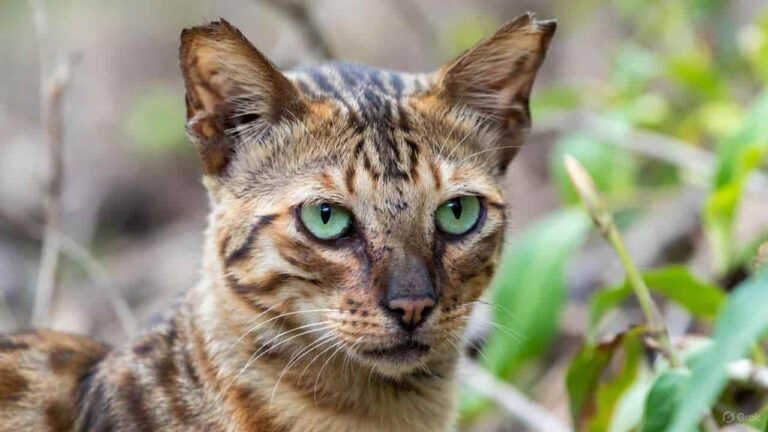

Travel-Loving Cats: The Best from worldwide
Traveling with Cats used to sound unusual. However, in recent years, more pet owners have started exploring the world with their feline companions. Whether it’s road trips, hiking, RV living, or outdoor adventures, certain cat breeds adapt surprisingly well to travel. Some love spending time in nature, while others enjoy observing the world from a secure backpack carrier. Therefore, choosing the right traveling cat breed can make your adventures easier, safer, and far more enjoyable.
In this comprehensive guide, we explore the Top 10 Traveling Cat Breeds for Adventurous Pet Owners, discussing their personalities, adaptability, grooming needs, training tips, and why they make excellent travel buddies. Additionally, we include action-based insights to help you prepare your feline friend for exciting journeys.
Why Choose a Cat Breed Suitable for Traveling?
Many cat owners assume that all felines dislike change or new environments. While this is partially true, some breeds are naturally more adaptable, social, calm, and curious. These traits make them ideal companions for travel.
Here are a few reasons why choosing a travel-friendly breed matters:
1. Better Stress Management
Travel introduces new smells, sounds, and sights. Moreover, certain cat breeds handle stressful situations better than others, making the journey smoother.
2. Improved Trainability
Traveling cats require basic training—like using a harness, staying calm in a carrier, or responding to simple cues.
3. Low Grooming Needs
Some cats shed excessively or require frequent grooming, which isn’t ideal on the road.
4. Love for Exploration
Breeds with a curious, confident, and energetic nature thrive during outdoor adventures.
5. Safety & Social Behavior
Cats that are friendly and less fearful are easier to manage in unfamiliar settings.
Top 10 Traveling Cat Breeds for Adventurous Pet Owners
Below are the best cat breeds that adapt well to life on the move.
1. Bengal – The Ultimate Adventure Cat
The Bengal is one of the most energetic and intelligent cat breeds, making it a favorite among adventurous owners.
Why Bengals Are Great for Travel
- Highly active and curious
- Comfortable exploring the outdoors
- Easy to leash-train
- Confident around new environments
Bengals enjoy physical activities like climbing, hiking, and exploring nature trails. Additionally, their wild appearance and sleek coats make them low-maintenance during travel.
Ideal Travel Activities
- Camping
- Hiking
- Outdoor photography
2. Maine Coon – The Gentle Giant Explorer
Often referred to as the “dogs of the cat world,” Maine Coons are incredibly friendly and adaptable.
Travel-Friendly Traits
- Calm temperament
- Friendly with humans and animals
- Easy-going personality
- Thick, weather-resistant coat
Even though they are large cats, Maine Coons handle car rides and new environments very well. Consequently, they make great road trip companions.
Best Travel Scenarios
- RV life
- Long-distance road trips
- Cooler climates
3. Ragdoll – The Relaxed, Easygoing Traveler
If you want a calm, affectionate companion, the Ragdoll is an excellent choice.
What Makes Ragdolls Good Travelers?
- Relaxed “floppy” nature
- Extremely people-oriented
- Low anxiety in new places
- Enjoy being held and carried
Ragdolls rarely panic during travel, making them perfect for beginners.
Best Travel Situations
- Plane travel
- Hotel stays
- Apartment or city trips
4. Siamese – The Vocal, Social Adventurer
Siamese cats are known for their intelligence and loyalty. Furthermore, their social nature makes them great for adventures.
Travel Advantages
- Strong bond with owners
- Highly trainable
- Adapt quickly to new surroundings
- Love interaction and mental stimulation
They also enjoy outdoor walks and can learn commands similar to dogs.
Perfect For
- Road trips
- Outdoor cafes
- City exploration
5. Abyssinian – The Fearless Explorer
The Abyssinian is one of the oldest and most adventurous cat breeds.
Why Abyssinians Travel Well
- Extremely curious
- Athletic and energetic
- Love climbing and exploring
- Confident around strangers
Because of their playful nature, they thrive in environments full of stimulation.
Ideal Adventures
- Nature hikes
- Park visits
- Beach outings
6. Scottish Fold – The Calm & Quiet Companion
With their adorable folded ears and gentle personality, Scottish Folds are wonderful travel companions.
Travel-Friendly Traits
- Quiet and calm
- Adapt well to new environments
- Strong attachment to their owners
- Low-energy compared to other breeds
They prefer relaxed journeys rather than intense outdoor adventures.
Best Travel Types
- Hotels
- Short trips
- Family vacations
7. Sphynx – The Affectionate Travel Buddy
The hairless Sphynx is known for its outgoing and affectionate behavior.
Advantages for Travel
- No shedding
- Enjoy wearing clothes for warmth
- Love attention
- Comfortable meeting new people
Their low-maintenance coat is perfect for travel, though they do require regular skin care.
Best Travel Situations
- Warm destinations
- Indoor adventures
- Car trips
8. Norwegian Forest Cat – The Nature-Loving Explorer
These majestic cats are naturally suited for adventure due to their rugged heritage.
Why They Make Great Travel Cats
- Weather-resistant coat
- Love climbing and exploring
- Confident in forests and nature
- Friendly and social
Their adaptability to cold environments makes them excellent outdoor companions.
Best Adventures
- Camping
- Forest trails
- Mountain trips
9. Manx – The Social & Smart Traveler
The tailless Manx breed is known for its playful and loyal nature.
Travel Benefits
- Very intelligent
- Trainable
- Strong attachment to owners
- Calm during transport
They enjoy staying close to their humans, which is ideal for travel safety.
Top Travel Situations
- Car journeys
- Family outings
- Outdoor exploration
10. American Shorthair – The Easygoing All-Rounder
This breed is known for its calm and friendly personality.
Why American Shorthairs Travel Well
- Easy to train
- Very adaptable
- Healthy and low-maintenance
- Friendly around strangers
They are perfect for owners who want a low-fuss travel companion.
Where They Shine
- Hotels
- Long drives
- Visiting friends & family
How to Prepare Your Cat for Traveling
Choosing the right breed is only the first step. Therefore, preparation is essential for stress-free travel.
1. Begin Early Socialization
Expose your cat to:
- Crates
- Car rides
- Harness and leash
- New people and environments
2. Choose a Comfortable Travel Carrier
A well-ventilated carrier with soft bedding reduces anxiety.
Related Topics:
👉 Read also: “Best 10 Dogs for Night vision Security “
3. Harness Train Your Cat
Traveling cat breeds respond well to harness training. Moreover, it ensures safety during outdoor adventures.
4. Create a Safe Space During Travel
Carry:
- A familiar blanket
- Favorite toys
- Their regular food
Routine reduces stress significantly.
5. Visit Your Veterinarian
Before long trips, get:
- Vaccination updates
- Health check
- Travel documents (for flights)
Helpful suggestions:
https://www.avma.org/resources-tools/pet-owners/pet-travel
6. Maintain Routine During Travel
Even small things such as feeding times help your cat feel secure.
7. Frequent Breaks
During road trips, allow your cat:
- Fresh air
- Litter box access
- Water breaks
Key Takeaway Box
Key Takeaway:
Choosing the right traveling cat breed can make your adventures smooth, enjoyable, and stress-free. Breeds like Bengals, Maine Coons, Ragdolls, Siamese, and Abyssinians are naturally adventurous, adaptable, and friendly—making them perfect companions for trips, hikes, road journeys, and outdoor exploration.
FAQ – Traveling Cat Breeds
1. Which cat breed is best for traveling?
The Bengal, Ragdoll, and Maine Coon are among the top choices due to their adaptability and calm nature.
2. Can any cat be trained for travel?
Yes, but some breeds learn faster and handle change better than others. Early training helps immensely.
3. What should I pack for traveling with my cat?
Essentials include food, water, a portable litter box, harness, first-aid kit, travel carrier, and familiar comfort items.
4. Are cats safe during long road trips?
Absolutely—if they’re secured in a carrier, given regular breaks, and kept comfortable.
5. Do traveling cats need special training?
Leash training, carrier familiarity, and exposure to new environments help ensure a positive travel experience.
6. Can cats travel by plane?
Yes. Many breeds handle air travel well, especially calm breeds like Ragdolls and American Shorthairs.
7. How often should I give breaks on long journeys?
Every 2–3 hours is ideal for hydration, bathroom use, and stress relief.