What Human Foods Can Cats Eat? Complete Safety List
Sharing food with your cat feels loving, but it can be risky. This complete guide explains which human foods are safe for cats.
Hello, dear cat lovers!
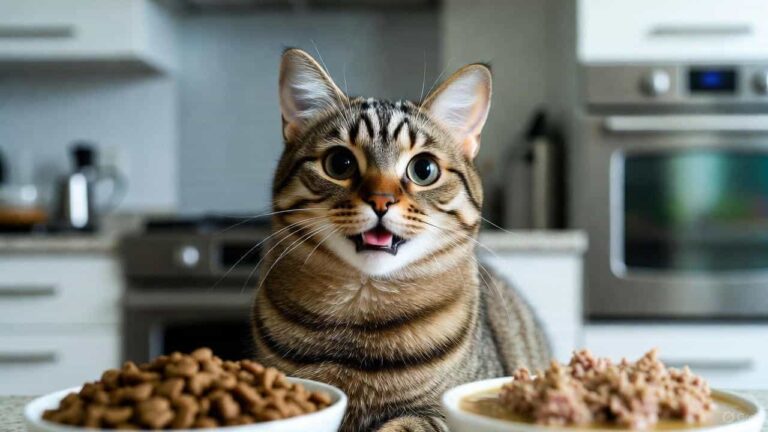
As a cat owner who has spent the last ten years living with three mischievous cats, I’ve asked myself this question many times: which human foods are actually safe to give cats without turning a simple treat into a vet emergency?
Sharing food—when done the right way—can create a deep emotional bond between you and your cat. That kind of bond where you feel incomplete without them, and they feel the same about you.
In this article, I’ll explain everything through real-life experiences, so you can understand how to grow closer to your pet while keeping their health safe and balanced.
My oldest cat, Whiskers, is almost 12 years old and extremely picky. He taught me one important lesson early on: health and treats must always stay balanced. This balance is necessary to give our pets a stable, healthy daily life.
I still remember the first time Whiskers stole a bite from my turkey sandwich. I was worried and full of doubts. Thankfully, nothing went wrong—but that moment pushed me to research deeply. What I discovered was a safer and healthier feeding path for cats.
In this guide, I’m sharing a complete and safe list of human foods cats can eat, based on:
- Personal experience
- Advice from veterinarians
- Practical pet nutrition knowledge
Most people already share food with their pets, but knowing what is beneficial and what can be harmful is extremely important.
We’ll also discuss:
- Why certain foods are safe
- How to prepare them properly
- Practical tips to keep your cat happy and healthy
Remember, these foods are treats only, not replacements for a complete cat diet. If your cat has diabetes, allergies, or health conditions, always consult your vet first.
For more guidance on safe human foods for cats, you can refer to the ASPCA Pet Food Safety Guide.
Understanding the Basics: Why Give Human Food to Cats? Is It Necessary?
Let’s start with the “why.”
Cats are obligate carnivores, which means their bodies are designed for meat-based diets. Essential nutrients like taurine come from animal protein and cannot be produced by their bodies.
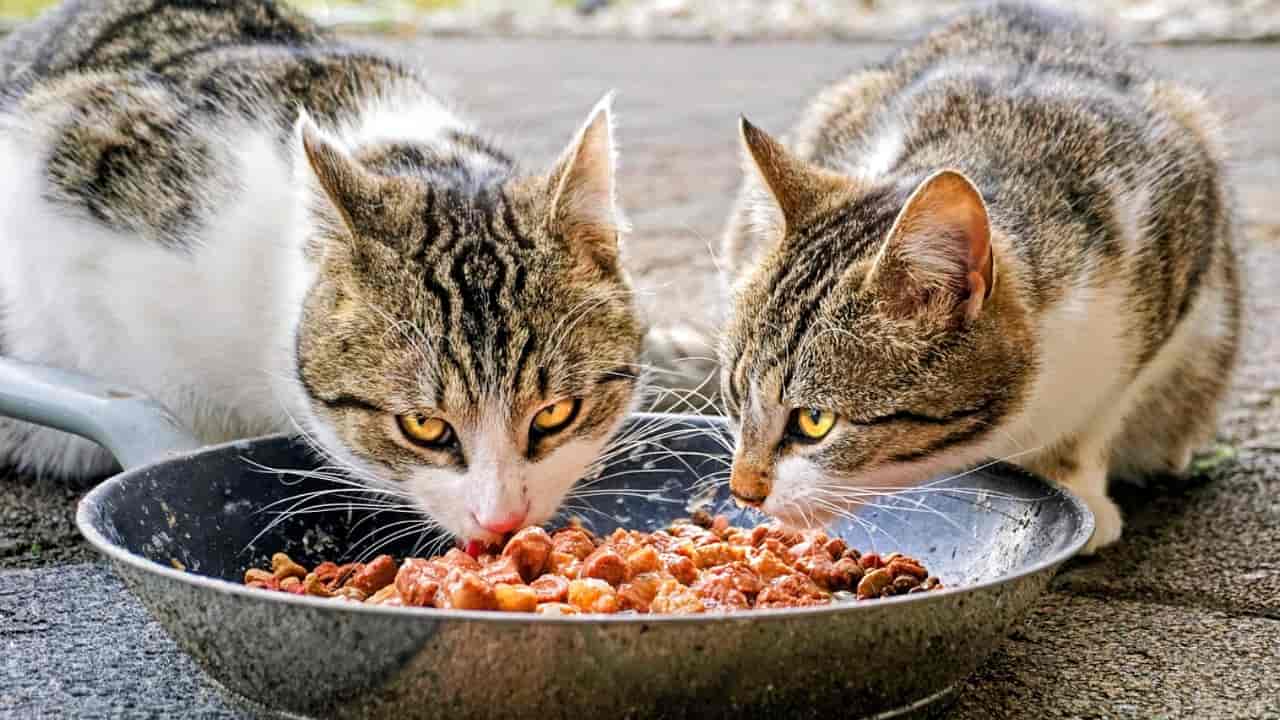
However, sharing a small amount of human food occasionally can strengthen your bond—like when my cat Luna gently taps my hand asking for a taste.
When given correctly, human food can:
- Add nutritional variety
- Provide certain vitamins
- Help with digestion issues like constipation
- Create emotional closeness
For example, pumpkin once helped Whiskers recover from constipation naturally.
The key rule is moderation.
Treats should make up less than 10% of a cat’s daily calories. Too much can lead to obesity and health problems.
Always give food without salt or spices, as seasoning can upset a cat’s stomach and create serious health issues.
RELATED
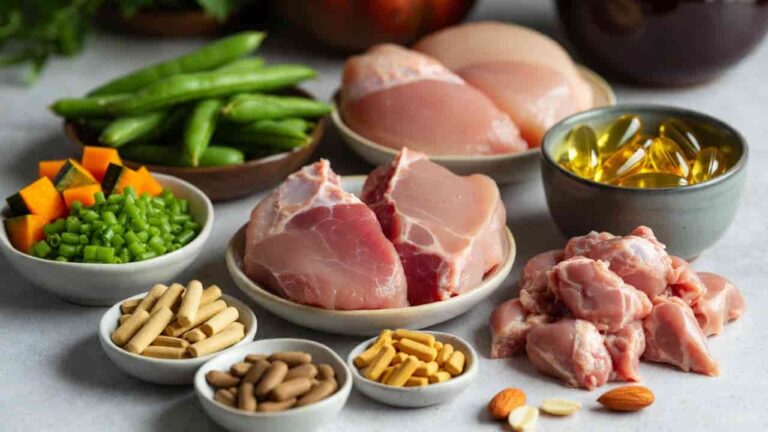
Meat: A Cat’s Natural and Favorite Protein Source
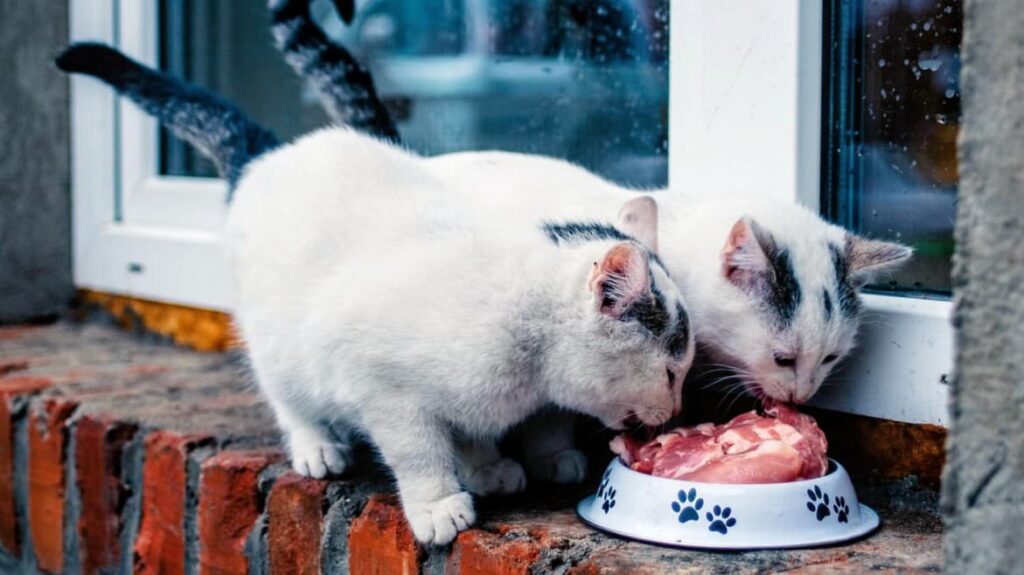
Cats naturally love meat.
Cooked, plain meat is the safest choice.
Chicken
Chicken is at the top of my list because it is:
- Low in fat
- High in protein
- Easy to digest
I give boiled chicken to Whiskers after illness, and it helps him recover faster.
Always cook chicken thoroughly. Raw chicken can be harmful. Boiled chicken is the safest option, but your cat’s preference also matters.
Turkey
Turkey offers similar benefits:
- Low fat
- Rich in B vitamins
- Improves coat shine
Never give turkey bones or seasoned meat. Garlic and onion are extremely toxic to cats.
Beef
Lean beef:
- Provides iron
- Supports the immune system
Avoid fatty beef, as it can cause digestion and pancreas-related problems.
Lamb
If your cat is allergic to chicken, lamb is a good alternative:
- Rich in omega-3 fatty acids
- Supports skin and coat health
Fish
Salmon or tuna can be given occasionally:
- Omega-3 supports joints and brain health
Do not give fish daily, and avoid raw fish completely.
Fruits: Sweet but Limited
Cats don’t crave sweetness, but some fruits are safe in small amounts.
Apple
- Good source of fiber
- Helps reduce hairballs
Remove seeds and peel before serving.
Banana
- Contains potassium
- Supports heart and muscle function
Give only a small amount.
Blueberries
- Rich in antioxidants
- Supports eye and brain health
Strawberries
- Provide vitamin C
- Support bone health
Watermelon
- Helps with hydration
Remove seeds and rind before feeding.
Pumpkin
- Helps with both constipation and diarrhea
- Often recommended by veterinarians
Vegetables: Low Calories, High Benefits
Carrots
- Support eye health
- Improve coat shine
Broccoli
- Rich in vitamins
- Serve only in small amounts
Green Beans
- Helpful for weight control
Peas
- Provide fiber and energy
Cucumber
- Hydrating
- Excellent during hot weather
Eggs and Dairy Products
Cooked Eggs
- Complete protein source
- Helps maintain a healthy coat
Never give raw eggs.
Cheese
- Give only in very small amounts
- Too much can cause diarrhea
Yogurt
- Contains probiotics
- Supports digestion
Only plain and unsweetened yogurt.
Grains and Other Foods
Oatmeal
- Soothes sensitive stomachs
Rice
- Easy to digest, especially after illness
Popcorn
- Plain only (no butter or salt)
- Very small quantity
For detailed recommendations on safe foods and portion sizes, check out VCA Hospitals’ guide on human foods cats can eat.
Foods You Should Never Give Your Cat
- Chocolate
- Grapes and raisins
- Onion and garlic
- Alcohol and caffeine
- Raw meat or fish
- Bones
- Excess milk (can cause obesity)
Safe Feeding Tips for Cat Owners
- Introduce new foods slowly
- Keep portions very small
- Observe your cat’s reaction
- Visit your vet at least once a year
RELATED

Final Thoughts About Cat Eating Foods.
My journey with Whiskers, Shadow, and Luna has been a beautiful part of my life. With the right balance, care, and love, you can safely share human food with your cat and strengthen your bond.
Your cat will thank you with cuddles, head-butts, and trust—but that trust grows only when you care for them like a child.
I hope this article helped you learn something valuable.
If you have any questions, our team is always here to guide you.
Frequently Asked Questions
Cats can safely eat plain cooked chicken, turkey, eggs, fish (occasionally), pumpkin, carrots, rice, and apples without seeds.
No. Human food should be occasional treats and must not replace a balanced commercial cat diet.
Yes, plain boiled chicken and rice are safe and often used for cats with sensitive stomachs.
Chocolate, onions, garlic, grapes, raisins, alcohol, caffeine, raw dough, and salty foods are toxic to cats.
Some fruits and vegetables like pumpkin, carrots, blueberries, cucumber, and watermelon are safe in small amounts.
Cooked fish is safe occasionally, but too much fish can cause nutritional imbalance.
Kittens can eat some human foods like boiled chicken, but only in very small, soft portions.
Most human food contains salt, spices, and fats that can harm a cat’s digestive system.
Plain bread is not toxic but offers no nutrition. Most cats are lactose intolerant, so dairy should be avoided.
Human food should make up less than 10% of a cat’s daily calorie intake.
Contact a veterinarian immediately, especially if symptoms like vomiting or lethargy appear.