What Vegetables Can Cats Eat Safely? Complete Feeding Guide
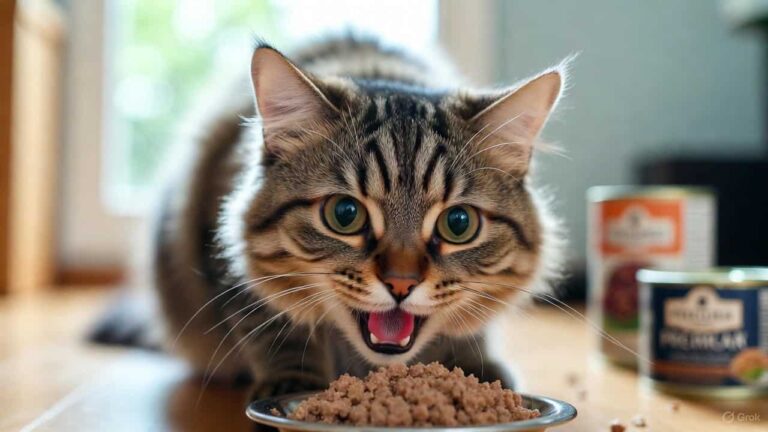
If you are also tired of your cat’s daily routine food, or you are thinking about changing the taste of your beloved cat, then you are thinking right and you have chosen the right platform for selection. Here, I will tell you which foods are suitable to change your cat’s taste or to include in the daily routine food, and which will have no side effects in terms of digestion or taste. All this has been gained through many years of experience.
For example, sometimes “Loona” looks at the steaming food in her plate and makes a face, which forces me to think about which better and safer food should be given to her. It also makes us think whether all our pet cats can eat all vegetables without any problem.
In this article, we will discuss which vegetables are safe for them, why moderation is necessary, and all this is based on experience and veterinary advice.
Read Also: 20 Cat Facts you didn’t Know
Why Cats Might Benefit from a Touch of Vegetables
Cats are straight-up meat lovers at heart. They’re what experts call obligate carnivores, meaning their bodies thrive on protein from animal sources.The Cornell University College of Veterinary Medicine explains that cats are obligate carnivores, meaning their bodies are designed to get most nutrients from animal protein.In the wild, they’d rarely munch on a carrot or a cucumber—maybe they’d get a bit from the stomach contents of their prey, but that’s about it. So, are vegetables healthy for cats? Well, not in the way they are for us humans, but they can offer some perks when given sparingly.
From what I’ve seen with Luna, a little veggie here and there helps with her occasional tummy troubles. Fiber-rich options can ease constipation or keep things moving smoothly in their digestive tract. Plus, if your cat’s packing on a few extra pounds—like my neighbor’s chunky orange boy—they’re low in calories and can make treats feel more substantial without the guilt. Many pet parents notice their cats seem more hydrated too, especially with watery veggies during hot summers. But remember, veggies should never replace their main cat food; think of them as a bonus, not the star of the show.
I’ve chatted with my vet about this, and the consensus is clear: vegetables aren’t essential, but they can support overall health if your cat enjoys them. Just don’t force it—if they turn up their nose, that’s fine. Cats know what they need better than we do sometimes.
Safe Vegetables for Cats: What You Can Offer Without Worry
Diving into the good stuff, here’s a rundown of safe vegetables for cats. I’ve tried most of these with Luna over the years, and she’s picky but goes for a few favorites. Always start small to avoid any upset stomachs, and cook them lightly to make digestion easier—raw can be tough on their systems. Aim for organic if possible to skip pesticides, and chop everything into tiny pieces to prevent choking.
Carrots: A Crunchy, Vitamin-Packed Treat
Carrots top my list because they’re so versatile. Luna loves nibbling on a steamed slice now and then, and it’s loaded with beta-carotene, which their bodies can turn into vitamin A for healthy eyes and skin. In my experience, grating them finely and mixing into wet food works best—she doesn’t even notice sometimes.
Health-wise, they’re great for overweight cats since they’re low-cal. Just boil or steam them until soft; raw carrots are too hard and might cause a blockage if swallowed whole. A teaspoon or two a couple times a week is plenty.
Broccoli: Great for Gut Health
If your cat’s prone to hairballs or irregular bowels, broccoli might be a game-changer. It’s packed with antioxidants and fiber that support digestion, and I’ve used it to deter Luna from chewing on my houseplants—she prefers the real deal steamed soft.
Many owners I know steam a floret, mash it up, and add it to meals. It’s low in calories too, so no worries about weight gain. Keep portions tiny, though—too much can lead to gas, which nobody wants in a small apartment.
Green Beans: Fiber Without the Fuss
Green beans are a staple in my veggie experiments. They’re fiber-rich, helping with weight control and steady digestion, and Luna crunches on them like they’re catnip toys when I cook them plain.
Snap off the ends, steam or boil, and cut into small bits. They’re especially handy for cats on a diet—my friend’s vet recommended them for her senior kitty who needed to slim down. Just avoid canned versions with added salt.
Peas: A Sweet Little Addition
Peas get a thumbs up for their protein and fiber boost, though they’re more carb-heavy than other veggies. I mash a few cooked ones into Luna’s food occasionally, and she seems to like the subtle sweetness.
They’re good for bowel regularity, but don’t overdo it—large amounts might cause loose stools. Fresh or frozen work best; skip the canned if they’re salted.
RELATED
Pumpkin: The Digestion Hero
Plain pumpkin (not the pie filling!) is fantastic for cats with tummy issues. It’s high in fiber and moisture, helping with both constipation and diarrhea—I’ve used it during Luna’s flare-ups, and it calms things down quickly.
Scoop a teaspoon of canned pure pumpkin onto their food. It’s also a hit for hydration in dry climates. Many pet parents swear by it for seasonal shedding seasons when hairballs ramp up.
Cucumbers: Hydration in a Crunch
Cucumbers are mostly water, making them perfect for hot days or cats who don’t drink enough. Luna bats at peeled slices like toys before eating them, and they’re super low-cal.
Peel to remove the skin, which can be tough, and slice thinly. They provide vitamins and a refreshing texture without much nutritional heavy lifting—just a fun, safe snack.
Zucchini and Squash: Mild and Easy
These are non-toxic and gentle on the stomach. Zucchini’s got vitamins A and C, and squash like butternut adds fiber. I steam and puree them for Luna when she’s being finicky.
They’re great for mixing into homemade treats. If your cat’s adventurous, try grating raw zucchini, but cooked is safer to avoid any digestive hiccups.
Asparagus: Nutrient-Dense but Sparing
Asparagus offers folate, vitamins, and fiber—good for low-cal treats. Steam the tips soft; the stalks can be fibrous and hard to chew.
I’ve only given this to Luna a handful of times, as it’s not her favorite, but it’s safe if yours goes for it. Watch for urinary changes, though, as it can affect smell.
Spinach and Lettuce: Leafy Options with Caveats
Spinach provides iron and vitamins but has oxalates, so limit it if your cat has kidney or bladder history. Lettuce is mostly water and fiber for hydration.
Wilt them slightly or chop fine. Luna ignores spinach but enjoys tearing at lettuce leaves for play—it’s more entertainment than food sometimes.
In all cases, wash thoroughly and introduce one at a time. If your cat shows interest, great; if not, no big deal. Vegetables good for cats are those that align with their tastes and health needs.
How Much Vegetables Can Cats Eat? Finding the Right Balance
This is where a lot of us get tripped up—how much is too much? From my chats with other cat owners and vet advice, veggies should make up no more than 5-10% of their daily calories. That’s like a teaspoon or two for an average 10-pound cat, a couple times a week at most.
Why the limit? Cats’ short digestive tracts aren’t geared for breaking down plant matter efficiently. Too much can lead to bloating, diarrhea, or nutrient imbalances. Luna once overdid it on peas (my fault for leaving the bowl out), and we had a messy night—lesson learned. Start with tiny amounts, monitor their poop and energy, and adjust. If they’re on a special diet for health issues, check with your vet first. It’s all about balance; their main fuel should always come from high-quality cat food.
How to Introduce Vegetables to Your Cat’s Diet Step by Step
Getting started? Don’t just plop a carrot in their bowl—cats are creatures of habit. I began with Luna by mixing a smidge of mashed veggie into her wet food, gradually increasing if she liked it.
- Choose fresh and plain: No seasonings, oils, or salts. Steam or boil to soften.
- Test one at a time: Watch for 24-48 hours for any reactions like vomiting or lethargy.
- Make it appealing: Puree for picky eaters or freeze into ice cubes for summer fun.
- Incorporate gradually: Start with 1/4 teaspoon mixed in, building up slowly.
Realistic scenario: If your cat’s ignoring it, try warming it slightly—the smell might entice them. Many pet parents notice their cats warm up after a few tries, especially if they see you eating it first (cats are mimics!).
If they’re not interested, that’s okay. Forcing veggies isn’t worth the stress—Luna skipped asparagus entirely, and she’s fine.
Can Kittens Eat Vegetables? Special Considerations for the Little Ones
Kittens are growing machines, needing loads of protein and fat from kitten-specific food. So, can kittens eat vegetables? Technically yes, but I’d hold off until they’re around 6-8 months old. Their tiny systems are still developing, and too much fiber could upset their balance or interfere with nutrient absorption.
When I fostered a litter last year, I stuck to their formula and kibble—no extras. If you do introduce, make it minuscule amounts of pureed, cooked veggies like pumpkin for digestion. Avoid anything oxalate-heavy like spinach, as their kidneys aren’t fully mature. Always prioritize their main diet; veggies are a maybe-later thing. If in doubt, your vet can guide based on their health.
Vegetables to Steer Clear Of: The Danger Zone
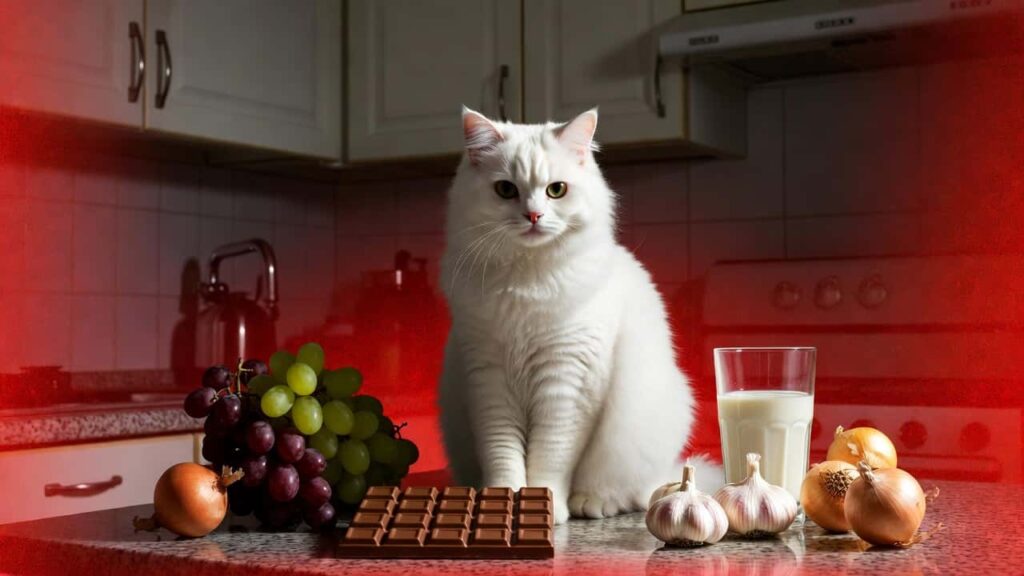
Not all veggies are cat-friendly—some are downright toxic.According to the ASPCA’s toxic and non-toxic plants database, some vegetables like onions and garlic are dangerous for cats and should always be avoided. Onions and garlic (even in powder form) can destroy red blood cells, leading to anemia. I’ve seen posts from frantic owners after their cat snuck a bite of onion rings—scary stuff.
Tomatoes (especially green parts) have tomatine, which causes drooling and tummy pain. Avocados contain persin, bad for their hearts. Raw potatoes have solanine, and mushrooms can be iffy depending on the type.
High-oxalate veggies like rhubarb or excessive spinach might contribute to urinary crystals in prone cats. Stick to the safe list, and if your cat ingests something suspect, call the vet or poison hotline right away. Better safe than sorry—Luna once eyed a tomato plant, and I nipped that in the bud quick.
Creative Ideas for Feeding Vegetables to Your Cat
To make veggies more exciting, get crafty. I whip up simple “treats” for Luna that feel special without much effort.
- Veggie Puree Toppers: Blend steamed carrots and pumpkin, freeze in ice trays for lickable portions.
- Mixed Meals: Stir grated zucchini into canned tuna for a hydrated boost.
- Playtime Snacks: Toss soft green bean pieces for them to chase and eat.
- Homemade Broth: Simmer safe veggies in water, strain, and use as a food enhancer.
One fun memory: I made a veggie “stew” with broccoli and peas, mixed with her food—Luna lapped it up like a queen. Experiment, but keep portions small. If your cat’s a grazer, scatter bits around for foraging fun.
These tweaks keep things interesting and bond you closer—nothing like watching them enjoy something you prepped.
Frequently Asked Questions About Cats and Vegetables
Over the years, I’ve fielded tons of questions from fellow cat lovers. Here are some common ones that pop up.
Is it okay if my cat eats vegetables every day?
Not really—stick to occasional treats. Daily could mess with their nutrition or cause gut issues. Luna gets them twice a week max, and she’s thriving.
What if my cat has allergies—can veggies help?
Sometimes fiber-rich ones ease symptoms, but always test slowly. If allergies are severe, consult your vet before adding anything new.
Are frozen vegetables safe for cats?
Yes, as long as they’re plain and thawed/cooked. They’re convenient and retain nutrients well.
Can vegetables replace cat treats?
They can supplement, but not fully replace—cats need the protein in commercial treats. Use veggies for low-cal alternatives.
What signs show my cat ate too many veggies?
Watch for diarrhea, gas, or lethargy. If it happens, cut back and monitor; a vet visit if it persists.
Wrapping It Up: A Little Green Goes a Long Way
Sharing veggies with your cat can be a sweet way to mix up their routine, just like how Luna’s eyes light up at a bit of carrot. It’s those small moments that make pet parenting so rewarding—knowing you’re giving them something safe and maybe even helpful. As long as you keep it moderate and tailored to their needs, you’ll both be happier for it. If you’ve got a veggie-loving kitty, cherish that quirk; if not, no worries—they’re perfect as they are. Here’s to many more purr-filled days ahead.if you have also like these kitten care suggestions please drop your views in comment box so that we can improve our thinking about loving pets.Thanks a lot for reading whole article.