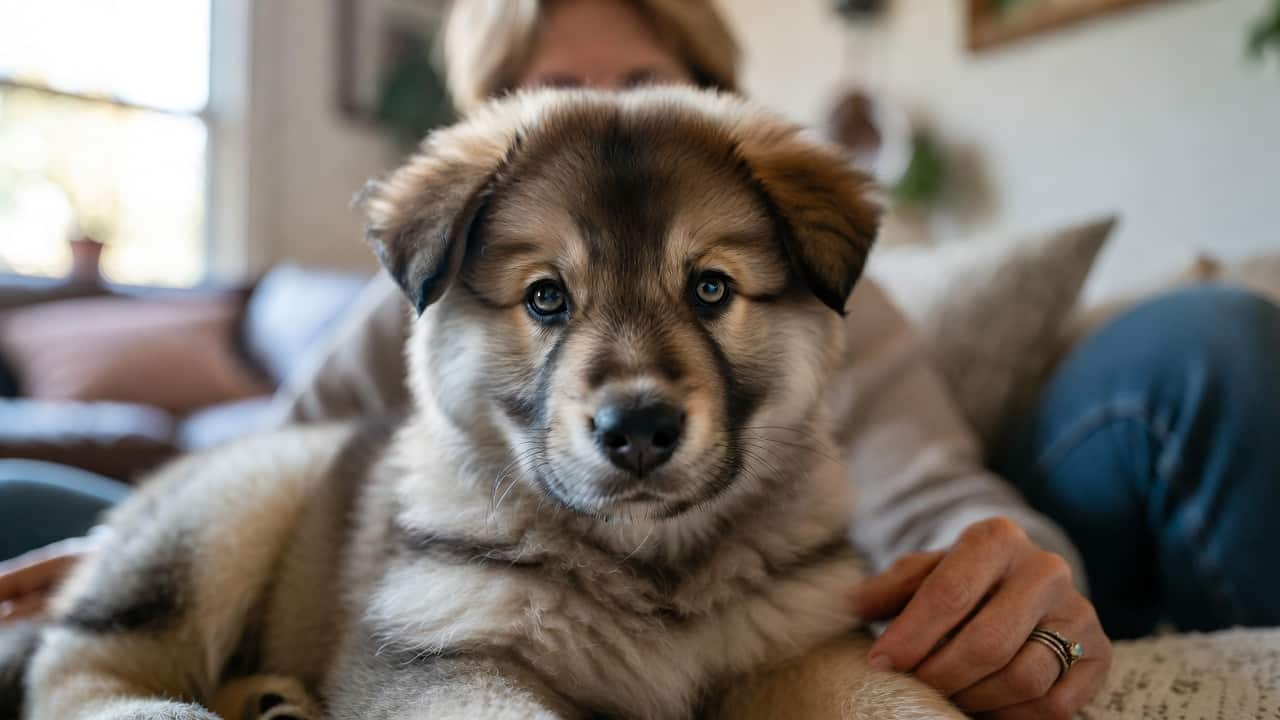
When Will My Puppy Trust Me? 10 Expert Clear Signs to Watch For
A Puppy Trust develops slowly through day by day routines, gentle handling, and patience. As your puppy begins to relax and freely around you, seek comfort during loneliness moments, and show affection freely, it becomes clear that trust is taking root. Knowing these signals helps you build a strong, solid, lasting connection from the start.
Here I am sharing my personal experience for an educational purpose. Many people are pet owners but they do not give their pets the attention that they should give to their puppies so that they can understand their feelings, support them in their loneliness and can give them many social and personal benefits. If you are also a puppy owner then kindly share positive things about your puppy here in the comment box.As a longtime dog owner who’s raised several puppies from wobbly-legged bundles of fur to loyal companions, I know that building trust with a new pup isn’t something that happens overnight. It’s a journey filled with tail wags, a few accidents on the carpet, and those heart-melting moments when you realize they’re starting to see you as their safe haven. If you’re wondering about puppy trust signs, you’re in the right place—I’ve been through it all, from rescuing a shy shelter mix to welcoming home a bouncy Labrador pup.
According to the American Kennel Club, recognizing signs your puppy trusts you early can help owners respond better to their puppy’s emotional needs and build a stronger bond from the start.
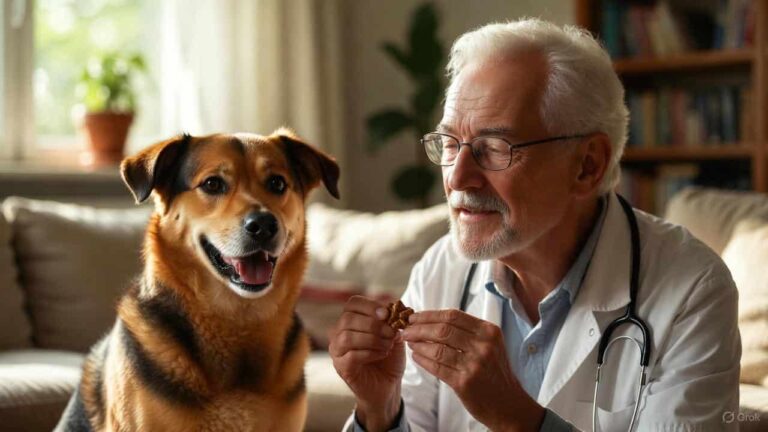
In my experience, trust develops through consistent care, patience, and understanding your puppy’s unique personality. Puppies, especially those under six months, are like sponges soaking up every interaction. A vet once told me during a routine checkup that early positive experiences shape their emotional world, reducing fear-based behaviors later on.
Why Trust Matters in Your Puppy’s Life
Trust isn’t just about cuddles; it’s the foundation for a happy, well-adjusted dog. Without it, puppies might develop anxiety, leading to issues like excessive barking or destructive chewing. I’ve seen this firsthand with my first pup, a beagle mix named Max, who came from a noisy shelter and took weeks to stop hiding under the bed.
Building trust helps with training too. When a puppy feels secure, they’re more open to learning commands and house rules. According to veterinary behaviorists, this security stems from predictable routines—regular meals, playtime, and gentle handling—that mimic the stability of a pack.
Think about it: in the wild, wolf pups rely on their family for survival. Your home becomes their “pack,” and you’re the leader they need to count on.
Veterinary professionals emphasize that building trust and bonding with your puppy plays a major role in reducing anxiety-related behaviors such as excessive barking, chewing, or fearfulness later in life.
Factors That Influence How Quickly a Puppy Trusts You
Every puppy is different, and trust timelines vary. For instance, a eight-week-old golden retriever from a reputable breeder might warm up in days, while a rescued pup with a rough start could need months.
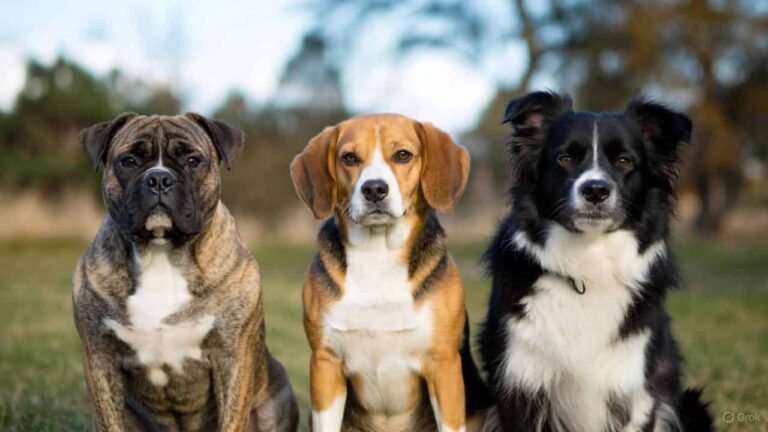
Breed plays a role—herding breeds like border collies often bond quickly due to their people-oriented nature, whereas independent types like shibas might take longer. Age matters too; younger pups adapt faster because their brains are wired for rapid learning.
Past experiences are huge. My current pup, Luna, a pit bull mix I adopted at three months, had been abandoned and was skittish around men initially. We worked through it with slow introductions and treats, proving that patience pays off.
Environmental factors count as well. A calm household with few disruptions fosters trust quicker than a chaotic one. Vets recommend minimizing stress during the first few weeks home, like avoiding loud parties or sudden changes.
Preparing Your Home to Build Trust From Day One
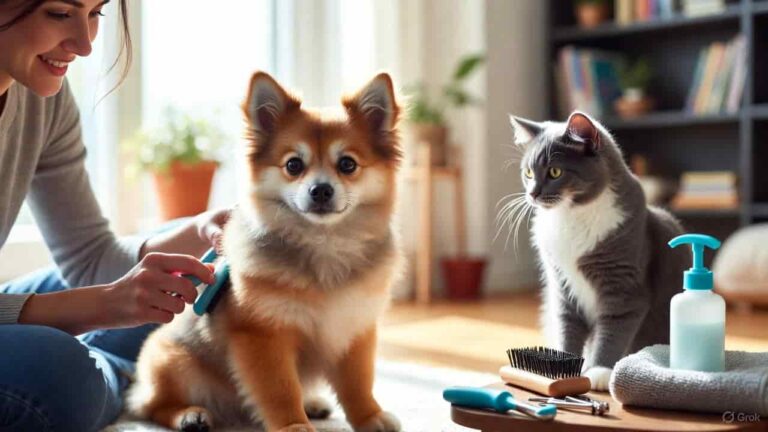
Before diving into the signs, let’s talk setup. Creating a welcoming space signals safety to your pup. I always start with a cozy crate lined with soft blankets, placed in a quiet corner but near family activity so they don’t feel isolated.
Stock up on puppy-proof toys and chews to redirect teething energy. In my house, we use puzzle feeders to make mealtime engaging, which builds positive associations with us.
Gentle handling from the start is key. Practice touching paws, ears, and mouth daily to prepare for vet visits. One vet suggested using high-value treats during these sessions to create good memories.
Recognizing the Early Stages of Trust Development
Trust builds in phases. Initially, your pup might be wary, showing avoidance or freezing. As days pass, curiosity emerges—they sniff your hand or approach tentatively.
By week two or three, comfort signs appear, like relaxed postures. I’ve noticed with all my pups that consistent feeding schedules accelerate this, as food equals security in their minds.
If progress stalls, consult a vet to rule out health issues like pain, which can mimic distrust.
10 Clear Signs Your Puppy Is Starting to Trust You
Now, onto the heart of it: those telltale puppy trust signs. These aren’t overnight miracles but gradual shifts. I’ll share real examples from my dogs to make it relatable.
Sign 1: Relaxed Body Language Around You
A stiff puppy with tucked tail screams uncertainty, but when trust kicks in, you’ll see loose wiggles and soft eyes. Why? Because they no longer view you as a threat—their nervous system calms, releasing feel-good hormones like oxytocin.
Take my beagle Max: at first, he’d flatten his ears when I approached. After a week of sitting quietly nearby with treats, his body melted into playful bows. It’s a subtle shift, but watch for it during daily interactions.
Sign 2: Willing Eye Contact Without Fear
Puppies avoid direct stares if scared, as it’s confrontational in dog language. Trust brings soft, blinking gazes that say, “I feel safe with you.” This stems from social bonding, similar to how human babies lock eyes with caregivers.
Luna, my pit mix, started this around week four. She’d peek up during walks, holding my gaze for seconds. If your pup does this, reinforce with gentle praise—it’s a milestone.
- Soft blinking during eye contact
- No whale-eye (showing whites)
- Accompanied by a wagging tail
Sign 3: Following You From Room to Room
Known as “velcro dog” behavior, this shadowing means you’re their anchor. Evolutionarily, pups stick close to protectors for safety, so it’s a huge trust vote.
With my Labrador pup, Buddy, it began subtly—he’d trail me to the kitchen for snacks. Now, at a year old, he’s my shadow. If your puppy does this without anxiety (like whining when you leave), trust is blooming.
Encourage it by rewarding with attention, but teach independence too to prevent separation issues.
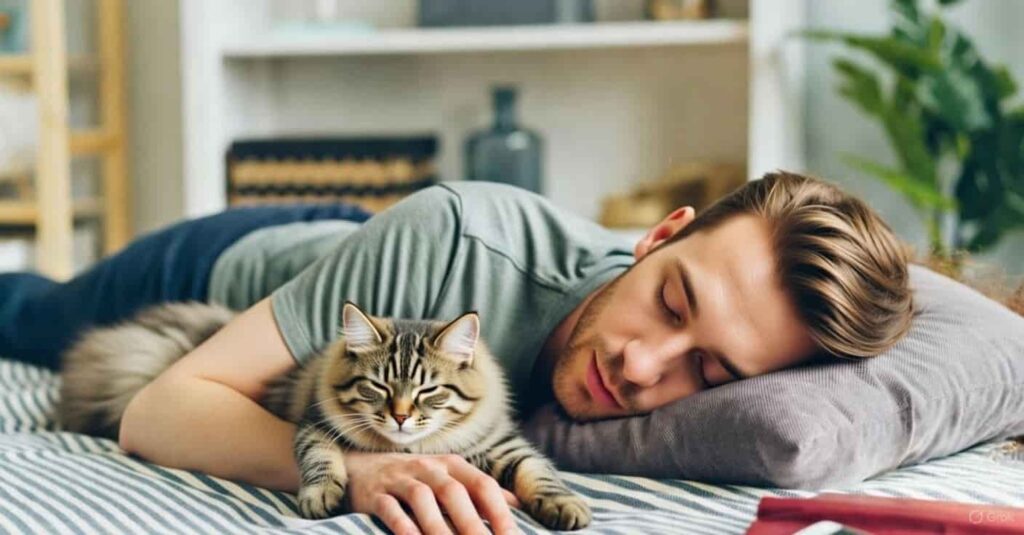
Sign 4: Sleeping Peacefully in Your Presence
Vulnerability peaks during sleep, so a pup dozing near you trusts you won’t harm them. Their brain enters rest mode only when secure, conserving energy for growth.
I remember Max curling up at my feet during naps; it was touching after his initial wariness. Look for deep sighs or exposed bellies—these amplify the sign.
If they choose your bed or lap, that’s next-level. Vets say this bonding reduces stress hormones, benefiting health.
Sign 5: Enthusiastic Play Initiation
Play is a trust litmus test. A trusting pup brings toys to you, inviting games like tug or fetch. It shows they see you as a fun, non-threatening partner.
Luna loves fetching her squeaky ball, dropping it at my feet with expectant wags. This behavior roots in pack play, strengthening social ties.
- Bows down with butt up (play bow)
- Gentle mouthing without nips
- Returns after brief chases
If play escalates to overexcitement, redirect calmly to maintain trust.
Sign 6: Eating Comfortably While You’re Nearby
Food guarding signals distrust, but relaxed munching with you around means they know you won’t steal resources. It’s instinctual—wild pups eat safely in groups.
Buddy scarfed meals alone at first, but now he eats with me watching, even pausing for pets. Vets advise hand-feeding occasionally to build this association.
Watch for no growling or stiffening; instead, a happy, focused eater.
Sign 7: Allowing Belly Rubs and Handling
Exposing the belly is ultimate vulnerability, as it’s a soft spot. Trust lets them roll over for rubs without flinching.
Why? Positive touch releases endorphins, creating a feedback loop of trust. Max hated tummy touches initially due to sensitivity, but gentle sessions changed that.
Start slow if your pup resists—pair with treats. This sign often appears around month two.
Sign 8: Seeking Comfort During Stress
When thunder booms or strangers visit, a trusting pup leans on you for reassurance, not hiding alone. It means you’re their emotional support.
During fireworks, Luna presses against my legs, calming faster with my voice. This stems from attachment theory in animals—secure bonds buffer stress.
- Nudging your hand
- Staying close without cowering
- Quick recovery post-event
Vets recommend desensitization training to enhance this.
Sign 9: No More Hiding or Escaping Attempts
Early on, pups might dart under furniture or try bolting doors from fear. Trust erases this, as they feel protected in open spaces.
Buddy used to squeeze behind the couch; now he lounges in the middle of the room. This shift happens because consistent safety rewires their fear response.
If hiding persists, check for triggers like loud noises and address with a vet.
Sign 10: Joyful Greetings and Tail Wags
A full-body wag with relaxed posture upon your return screams trust and affection. It’s more than excitement—it’s relief that their trusted human is back.
Max’s greetings evolved from cautious sniffs to ecstatic spins. Tail position matters: high and loose for happiness, low for uncertainty.
This sign solidifies around three months, peaking with age.
RELATED

Common Mistakes That Can Delay Trust Building
Even with good intentions, missteps happen. Forcing interactions, like picking up a scared pup, can backfire by associating you with discomfort.
Inconsistent routines confuse them—stick to schedules. Punishments erode trust; use positive reinforcement instead.
I learned this with Luna: yelling once for chewing set us back days. Vets emphasize redirection over correction for young minds.
Tips to Accelerate Trust With Your Puppy
Patience is paramount, but proactive steps help. Daily walks build shared experiences, strengthening bonds through exploration.
Interactive toys like Kongs filled with peanut butter encourage problem-solving with you nearby.
Socialization classes, recommended by vets for pups under 16 weeks, expose them safely to the world, boosting confidence in you as guide.
In my routine, I include quiet cuddle time, reading aloud to acclimate to my voice.
When to Seek Professional Help
If trust signs lag after months, or regression occurs (like sudden fear), consult a vet or behaviorist. Underlying issues like illness or trauma might be at play.
For example, if a pup avoids touch, it could indicate pain—my vet caught an ear infection in Buddy that explained his grumpiness.
Certified trainers using force-free methods can tailor plans.
Real Stories From Other Dog Owners
I’ve chatted with fellow dog parents at the park, and their tales echo mine. One friend adopted a chihuahua pup who trusted after consistent lap time, showing sign 4 early.
Another’s husky mix took longer due to breed independence but bloomed with hiking adventures.
These anecdotes remind us: every pup’s path is unique, but love wins.
RELATED
FAQ: Answering Your Puppy Trust Questions
When will my puppy trust me completely?
How do I know if my puppy is starting to trust me?
What are the earliest signs my puppy trusts me?
How long does it take for a puppy to bond with its owner?
Can a puppy trust one person more than others?
Why does my puppy follow me everywhere?
Does sleeping near me mean my puppy trusts me?
How can I help my puppy trust me faster?
Why does my puppy still hide even after weeks?
Do rescued puppies take longer to trust?
Is it normal if my puppy doesn’t trust me yet?
When should I seek professional help?
Conclusion About Puppy Trust
At the end wrapping my thoughts, remember that wondering “when will my puppy trust me” is a sign you’re invested—and that’s half the battle. From my years with Max, Buddy, and Luna, I’ve learned trust isn’t a destination but a daily dance of love and understanding. Hang in there; those puppy eyes will soon look at you with unwavering faith, making every effort worthwhile. If you’re just starting, grab a toy, sit on the floor, and let the magic begin.