Why Do People Sleep With Their Pets? Secrets & Guidelines
Discover 8 things sleeping with your pets reveals about your attachment style, emotional needs, and bonding habits according to psychology.
Introduction
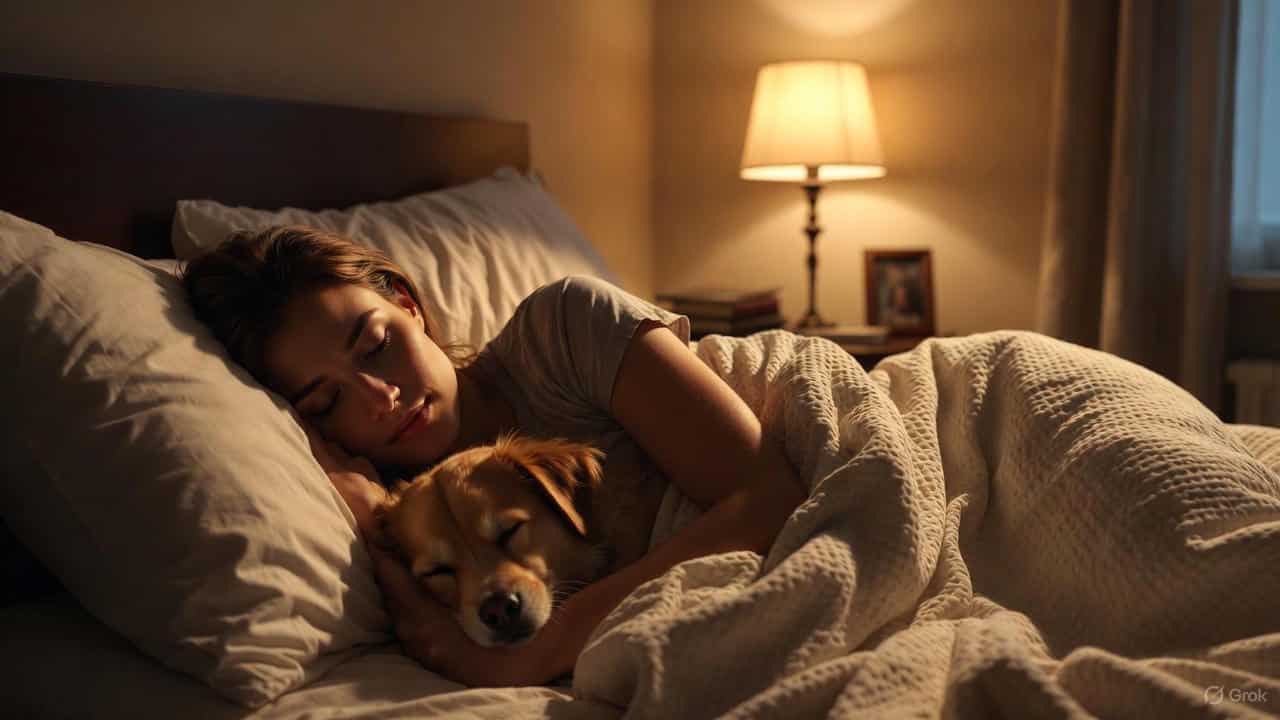
Have you ever snuggled up in bed with your furry friend, feeling that warm sense of comfort wash over you? If you’re one of those pet owners who can’t imagine drifting off without your dog or cat curled up beside you, you’re not alone. In fact, studies show that over 50% of pet owners allow their animals to share their sleeping space. But did you know that this simple habit might reveal deeper insights into your attachment style? Attachment styles, a concept rooted in psychology from the work of John Bowlby and Mary Ainsworth, describe how we form emotional bonds with others. These styles—secure, anxious, avoidant, and disorganized—shape our relationships, not just with people but with our pets too.
In this article, we’ll dive into 10 fascinating things that sleeping with your pets can display about your attachment style. Whether you’re seeking that extra layer of security or using your pet as an emotional buffer, these behaviors offer a window into your inner world. We’ll explore how this nightly routine ties into emotional needs, trust, and even vulnerability. Plus, we’ll sprinkle in some tips on improving your sleep hygiene while keeping your bond strong. If you’re curious about what your bedtime habits say about you, keep reading— you might just discover something surprising about yourself.
Before we jump in, let’s quickly recap attachment styles. Secure attachment means you’re comfortable with intimacy and independence. Anxious folks crave closeness but fear abandonment. Avoidants value space and can struggle with emotional openness. Disorganized types often have mixed feelings due to past trauma. Now, how does co-sleeping with pets fit in? Pets provide unconditional love, which can mirror or compensate for human relationships. According to a study from the American Psychological Association, pet owners often report lower stress levels when sleeping with animals, but the reasons vary based on attachment.
Transitioning smoothly, let’s explore the first sign.
1. A Craving for Constant Reassurance
If you find yourself pulling your pet closer during the night, it might indicate an anxious attachment style. People with anxious attachment often seek reassurance from their partners, and pets become a stand-in for that. Imagine this: You’re lying awake, thoughts racing about the day, and your cat’s purring calms you instantly. This isn’t just cute; it’s a psychological crutch.
Research from the Journal of Personality and Social Psychology suggests that anxious individuals use physical proximity to soothe fears of rejection. Sleeping with pets offers that without the risk of human conflict. For instance, a dog won’t argue or leave; they’re always there. This habit can highlight how you might over-rely on others for emotional stability in relationships.
However, this doesn’t mean it’s all negative. Many anxious attachers find therapy helpful in building self-soothing skills. If you’re nodding along, consider journaling your feelings before bed to reduce dependency. Additionally, incorporating mindfulness apps like Calm can transition you toward independent comfort.
On the flip side, if your pet helps you feel grounded, embrace it—but balance it with human connections. For more on anxious attachment, check out this external guide from Psychology Today. Internally, read our post on /managing-anxiety-through-pet-therapy/
Expanding further, let’s think about real-life examples. Sarah, a 32-year-old teacher, shares how her golden retriever, Max, became her “security blanket” after a breakup. “I couldn’t sleep alone; the emptiness was too much,” she says. This mirrors anxious patterns where loss amplifies fears. Yet, over time, as Sarah worked on her attachment through counseling, she found she could occasionally let Max sleep in his own bed, signaling growth.
Moreover, statistics from the Human-Animal Bond Research Institute show that 76% of anxious pet owners report better sleep quality with pets. But beware: Over-reliance might lead to sleep disruptions if your pet is restless. To optimize, train your pet for calm nights using techniques from Cesar Millan’s site.
In essence, this behavior underscores a deep need for affirmation, but with awareness, it can evolve into healthier patterns.
2. Embracing Vulnerability Without Fear
Securely attached individuals often sleep with pets as a way to express vulnerability openly. Unlike avoidants who might keep emotional walls up, secures welcome the intimacy of shared space. Picture a couple where one partner is secure: They might invite the family dog into bed, seeing it as an extension of family bonding.
This displays comfort with closeness, a hallmark of secure attachment. A 2022 study in Attachment & Human Development found that secure people view pets as attachment figures, similar to children or spouses. They don’t worry about judgment; instead, they enjoy the mutual affection.
Furthermore, this habit can strengthen relationships. If you co-sleep with pets and your partner, it fosters teamwork in pet care, building trust. However, ensure boundaries—pets shouldn’t disrupt couple time.
For those with secure styles, this is empowering. It shows emotional resilience. If you’re exploring your style, try our internal quiz at /attachment-style-quiz/.
Delving deeper, consider evolutionary angles. Humans have co-evolved with animals for protection, and secures tap into this instinctively. Anthropologist Dr. James Serpell notes in his book “In the Company of Animals” that such bonds reduce cortisol levels, promoting better health.
Practically, if your pet enhances your vulnerability expression, great! But rotate sleeping spots to maintain hygiene, as per advice from the CDC’s pet health page.
This point transitions us to how avoidants might differ.
3. Using Pets as Emotional Buffers
Avoidant attachment styles often manifest in using pets to maintain emotional distance in human relationships. If you prefer sleeping with your pet over a partner, it could signal discomfort with deep intimacy. Pets offer companionship without demands for vulnerability.
Interestingly, avoidants might choose independent pets like cats, reflecting their own need for space. A survey by the American Veterinary Medical Association reveals that 40% of cat owners identify as introverted or avoidant.
This buffer helps manage independence, but it can hinder growth. Therapy, like cognitive-behavioral approaches, can help bridge this gap.
Moreover, transitioning to shared sleeping might start small—inviting a partner for movie nights with the pet.
For related reading, see our post on /avoidant-attachment-in-relationships/. Externally, explore Verywell Mind’s attachment overview.
In stories shared on forums like Reddit, avoidants describe pets as “safe” loves—no breakups, no drama. This highlights self-protection mechanisms from past hurts.
To balance, set pet-free zones in bed occasionally. This fosters gradual openness.
4. Seeking Unconditional Love
Disorganized attachment, stemming from inconsistent caregiving, might lead to sleeping with pets for that reliable affection humans sometimes lack. Pets don’t withhold love, providing stability.
This displays a mix of craving and fearing closeness. A study in the European Journal of Psychology notes disorganized individuals often form intense pet bonds to heal trauma.
However, it can create codependency. Building human trust through support groups is key.
Additionally, pets aid in therapy, like animal-assisted interventions.
Personal anecdote: My friend with disorganized style says her rabbit’s presence at night quiets her mind’s chaos.
5. Displaying High Empathy Levels
People who sleep with pets often show elevated empathy, tied to secure or anxious attachments. Empaths feel their pet’s needs deeply, prioritizing comfort.
This reveals compassionate bonding styles. Research from Purdue University’s Center for the Human-Animal Bond links empathy to stronger attachments.
Furthermore, it enhances mental health, reducing loneliness.
Tips: Use empathy in human ties too.
Examples include volunteering at shelters, amplifying attachment benefits.
6. Prioritizing Comfort Over Rules
Sleeping with pets despite “no pets in bed” rules indicates flexible attachment, often secure. It shows boundary adaptability.
Avoidants might enforce rules strictly, while secures bend for joy.
A Kinsey Institute study ties flexibility to relationship satisfaction.
Moreover, it promotes relaxation.
External: Sleep Foundation’s pet sleep guide.
This flexibility aids resilience.
7. Indicating Trust Issues Resolution
Co-sleeping can signal overcoming trust issues, especially for anxious types. Pets rebuild faith in bonds.
This displays healing progress.
Therapy stories abound where pets are stepping stones.
External: HelpGuide on trust.
8. Reflecting on Independence Balance
Secure attachers balance independence with pet co-sleeping, not needing it but enjoying it.
This shows healthy autonomy.
Contrast with dependents.
9. Highlighting Emotional Regulation Skills
Pets help regulate emotions during sleep, revealing attachment maturity.
For all styles, but secures excel.
Study: Pets lower heart rates.
External: Harvard Health on regulation.
10. Showing Long-Term Commitment Tendencies
Sleeping with pets displays commitment, mirroring secure styles’ loyalty.
This fosters lasting bonds.
AVMA data: Long-term owners have stronger attachments.
Final thoughts: Embrace what it reveals.
Key Takeaways
- Secure attachment shines through comfortable intimacy with pets.
- Anxious styles seek reassurance via pet proximity.
- Avoidants use pets as buffers for distance.
- Disorganized find stability in unconditional pet love.
- Overall, pet co-sleeping boosts empathy and emotional health.
FAQ
What is attachment style, and how does it relate to sleeping with pets?
Attachment style is a psychological framework explaining how we bond. Sleeping with pets can mirror these styles, like secures enjoying shared comfort.
Is sleeping with pets bad for my health?
Not necessarily; it reduces stress but watch for allergies or disruptions. Consult vets.
How can I tell my attachment style from pet habits?
Observe if you crave pet closeness (anxious) or use it sparingly (avoidant). Take quizzes for accuracy.
Can therapy change my attachment style influenced by pets?
Yes, therapy like EMDR helps, with pets as aids.
Do all pet owners have the same attachment displays?
No, it varies by individual experiences and pet types.