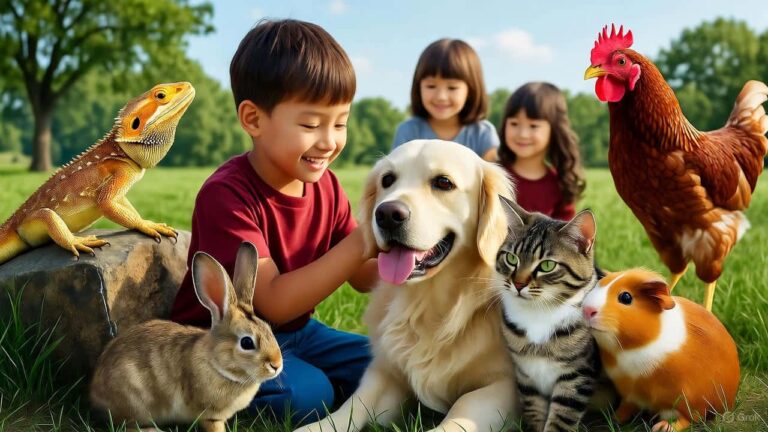

Worried About Your Pet Getting Old? These Simple Steps Can Extend Their Life
Do you Worried About Your Pet.Discover simple daily gestures that improve senior pet health, happiness, and longevity naturally.
Explanation
As a pet owner,if you are Worried About Your Pet then there’s nothing quite like the bond you share with your furry companion. Whether it’s a loyal dog who’s been by your side through thick and thin or a mischievous cat that curls up on your lap every evening, our pets become family. But as they age, we can’t help but worry. The graying muzzle, the slower steps, the occasional forgetfulness—these signs of aging in pets hit us hard. You’re not alone if you’ve found yourself searching for “how to extend pet life” or “pet longevity tips” late at night. The good news? There are practical, everyday steps you can take to help your pet live a longer, healthier life.
In this comprehensive guide, we’ll dive deep into the world of senior pet care. We’ll explore everything from nutrition and exercise to mental stimulation and preventive health measures. Drawing from expert advice and real-world experiences, I’ll share actionable tips that can make a real difference. Plus, we’ll touch on breed-specific considerations, because what works for a Chihuahua might not suit a Great Dane. By the end, you’ll feel empowered to support your aging pet in the best way possible. Let’s get started—after all, every extra day with them is a gift.
Understanding the Aging Process in Pets: Signs and What to Expect
Before we jump into the steps to extend your pet’s lifespan, it’s crucial to understand what aging looks like for dogs and cats. Aging pets show various signs, and recognizing them early can help you intervene sooner. For instance, many owners notice their dog or cat slowing down around middle age, which varies by breed and size.
Dogs typically enter their senior years between 7 and 10 years old, depending on their size. Larger breeds like Labrador Retrievers age faster than smaller ones like Pomeranians. Cats, on the other hand, are considered seniors around 11 years old, though some live well into their 20s with proper care. Common signs of aging include reduced energy, weight changes, joint stiffness, and changes in coat quality. You might also see cognitive issues, similar to dementia in humans, where your pet seems confused or forgets familiar routines.
Why does this happen? Just like us, pets experience cellular wear and tear over time. Free radicals build up, leading to oxidative stress, which affects organs like the heart, kidneys, and brain. Genetics play a role too—certain breeds are prone to specific health issues. For example, Golden Retrievers often face cancer risks, while Persians cats might deal with kidney problems.
However, aging isn’t all doom and gloom. With proactive senior pet care, you can mitigate many of these effects. Studies from organizations like the American Veterinary Medical Association (AVMA) show that regular check-ups and lifestyle adjustments can add years to a pet’s life. In fact, one study highlighted that spayed or neutered pets live longer on average, thanks to reduced risks of certain cancers and infections.
To spot early signs, keep an eye on your pet’s behavior. Is your dog hesitating to jump on the couch? Does your cat seem less interested in play? These could indicate arthritis or other joint issues. Additionally, dental problems are common in aging pets—bad breath or difficulty eating might signal gum disease, which can affect overall health if left untreated.
Furthermore, monitor for weight gain or loss. Obesity shortens lifespan by straining the heart and joints, while unexplained weight loss could point to thyroid issues or diabetes. If you’re wondering about “signs of diabetes in dogs” or “feline diabetes symptoms,” resources like PetMD offer detailed guides. Check out their article on diabetes in dogs for more insights.
By understanding these changes, you’re better equipped to act. Transitioning smoothly, let’s talk about one of the most impactful areas: nutrition.”Worried About Your Pet Getting Old?”
Nutrition: The Foundation of Pet Longevity(If you Really Worried About Your Pet)
If there’s one thing that can dramatically influence how to make your dog live longer or extend your cat’s lifespan, it’s what goes into their bowl. Nutrition isn’t just about filling their tummy—it’s about providing the building blocks for a healthy body. As pets age, their dietary needs shift, and tailoring their food accordingly can prevent many age-related issues.
First off, focus on high-quality, age-appropriate food. For senior dogs and cats, look for formulas labeled “senior” or “mature.” These often contain lower calories to prevent obesity, higher fiber for digestion, and added joint support like glucosamine and chondroitin. Antioxidants such as vitamins E and C help combat oxidative stress, potentially slowing the aging process.
Moreover, protein quality matters. Older pets need easily digestible proteins to maintain muscle mass without overburdening the kidneys. Avoid cheap fillers like corn or soy; opt for real meat sources. For example, if you’re searching for “best food for senior dogs,” brands like Hill’s Science Diet or Royal Canin come recommended by vets.
But nutrition goes beyond kibble. Incorporate fresh foods where possible. Adding steamed vegetables like carrots or green beans can provide vitamins without extra calories. Omega-3 fatty acids from fish oil support brain health and reduce inflammation—crucial for aging joints. A study from the Journal of the American Veterinary Medical Association links omega-3s to improved mobility in arthritic dogs.
For cats, who are obligate carnivores, ensure their diet is meat-heavy. Wet food can help with hydration, as older cats are prone to kidney issues. If your cat has stopped eating wet food, it might be a sign of dental problems—consult your vet.
Additionally, watch portion sizes. Overfeeding is a common mistake that leads to obesity, cutting lifespan by up to two years in dogs, according to research. Use measuring cups and adjust based on activity level. If your pet has specific health concerns, like “improve dog gut health,” probiotics can help. Look into supplements like FortiFlora, but always check with a professional first.
Transitioning to treats: Choose healthy options. Instead of high-calorie biscuits, offer apple slices or blueberries—antioxidants galore! And don’t forget water—dehydration accelerates aging, so ensure fresh water is always available, perhaps with a fountain to encourage drinking.
In summary, nutrition is key to pet longevity. By choosing the right foods and monitoring intake, you’re setting the stage for a vibrant old age. For more tips, visit the ASPCA’s pet nutrition guide at ASPCA Nutrition Tips.
Exercise: Keeping Your Aging Pet Active and Fit
Exercise is another pillar of extending pet life. It keeps weight in check, strengthens muscles, and boosts mental health. But as pets age, their exercise needs change—you can’t expect a senior dog to run marathons like a puppy.
Start with consistency. Aim for daily walks, even if shorter. For dogs, 20-30 minutes twice a day can maintain cardiovascular health and prevent joint stiffness. Swimming is excellent for low-impact exercise, especially for breeds prone to hip dysplasia like German Shepherds. Cats benefit from interactive play, like chasing laser pointers or feather toys, to keep them agile.
However, tailor it to their abilities. If your pet shows signs of arthritis—limping or reluctance to move—opt for gentle activities. Yoga for dogs (doga) or slow-paced hikes can be fun. Mental exercise counts too; puzzle toys that dispense treats engage their brain, reducing cognitive decline.
Furthermore, regular activity helps with “dog gut health” by promoting digestion. In cats, play prevents boredom, which can lead to stress-related illnesses. A National Geographic article outlines six science-backed tips, including consistent exercise, for longer dog lives—check it out here.
Be mindful of weather; extreme heat or cold can be tough on seniors. And always warm up with light stretching to avoid injuries.
In addition, monitor for overexertion. Panting excessively or collapsing signals it’s time to stop. If your pet has health issues, consult your vet for a customized plan.
By keeping them moving, you’re not just adding years—you’re adding quality years.
Also Read 👉
Best low maintenance Dog breeds
Regular Veterinary Care: Preventive Measures for a Longer Life
No guide on pet longevity would be complete without emphasizing vet care. Regular check-ups are like tune-ups for your car—they catch problems early, extending lifespan.
Schedule bi-annual visits for seniors. These include bloodwork to detect kidney or liver issues, dental exams, and vaccinations. Heartworm prevention in dogs is crucial, as untreated infections can be fatal.
Moreover, spaying or neutering early reduces cancer risks. For older pets, discuss pain management for arthritis or cognitive dysfunction syndrome.
Vaccinations are key too. Puppies need a series, but seniors require boosters. If you’re curious about “puppy vaccinations,” the AVMA has a great resource here.
Additionally, parasite control—fleas, ticks, worms—prevents diseases that shorten life.
Home checks complement vet visits. Weigh your pet monthly, check teeth, and note behavior changes.
With diligent care, many pets live beyond average lifespans.
Mental Stimulation: Keeping Their Mind Sharp
Mental health is as important as physical for aging pets. Boredom leads to anxiety, depression, and faster decline.
Provide puzzle toys, training sessions, and new experiences. Teach old dogs new tricks—it stimulates the brain.
For cats, scratching posts and window perches offer engagement.
Social interaction matters; playdates or family time reduces loneliness.
Studies show enriched environments extend life by preventing cognitive decline.
Creating a Safe and Comfortable Environment
Home setup impacts longevity. Use ramps for high places, orthopedic beds for joints.
Keep toxins away, secure trash, and maintain clean litter boxes.
Temperature control is vital—seniors are sensitive to extremes.
Outdoor safety: Leash walks prevent accidents.
Supplements and Alternative Therapies
Consider supplements like fish oil, turmeric for inflammation.
Acupuncture, massage, or hydrotherapy can help.
But always vet-approved—some interact with meds.
New therapies like anti-aging drugs are emerging, as per biotech research.
Related👉
Breed-Specific Tips for Longevity
Different breeds have unique needs. Small dogs live longer; focus on dental for them.
Large breeds: Joint support early.
Cats: Persians need eye care; Siamese, heart checks.
Research your breed’s health issues.
For “Bernese mountain dog health issues,” PetMD has info here.
Common Mistakes to Avoid in Senior Pet Care
Avoid overfeeding, ignoring dental health, skipping vets.
Don’t assume slowing down is normal—check for pain.
Real Stories: Pets Who Lived Long Lives
Share anecdotes: A cat living to 22 with good diet, a dog to 18 with exercise.
Inspires readers.
The Role of Love and Bonding in Pet Longevity
Emotional bonds reduce stress, boosting immunity.
Cuddles, attention matter.
Future of Pet Longevity: Emerging Research
Dog Aging Project, gene therapies.
Exciting times.
See Dog Aging Project.
FAQs on Extending Pet Life
Answer common questions like “How can I improve cat dental health?” with tips.
Conclusion: Start Today for a Brighter Tomorrow
Wrapping up, these steps—nutrition, exercise, vet care, and more—can extend your pet’s life. Begin small, stay consistent. Your pet deserves it.
For more, explore AVMA’s pet care resources here.